
‘Rehearsals for a Revolution’ Review: A Poetic Love Letter to Iran’s Generations of Resistance
There are many stories about Iran’s revolutionary history that haven’t reached Western audiences. Twenty years ago, the late Marjane Satrapi (God, it still stings) did so with her autobiographical graphic novel-turned-feature Persepolis, a coming‑of‑age tale of identity and family ties during the country’s imperialist struggle. Now, Pegah Ahangarani, an Iranian actress turned filmmaker, makes her feature debut with Rehearsals for a Revolution, a moving portrait of Iran’s complicated history and love letter to the people who shaped her.
MPA Rating: Not Rated (NR)
Runtime: 1 Hour and 35 Minutes (95 minutes)
Language: Persian (Farsi)
Production Companies: Europe Media Nest, Fasten Films
Distributor: Sony Pictures Classics
Director: Pegah Ahangarani
Screenwriters: Pegah Ahangarani, Ehsan Abdipour, Amir Ahmadi Arian, Arash Ashtiani, Majed Neisi
U.S Release Date: To Be Announced
Told in five chapters, each chronicling a different mentor, Pegah Ahangarani interweaves her life story through expressions of resistance. From her father and his close friend Davoud in 1979 as burgeoning filmmakers whose lives were upended by the Islamic Revolution and the Iraq War, up to the current U.S. attacks on Iran that have cost tens of thousands of lives, she personalizes memories from a place of deep introspection. In doing so, she maps the pathways of how hope and the pursuit of self‑expression drive revolutions.
Ahangarani turns a lifetime of rebellion into an intimate cinematic reckoning.
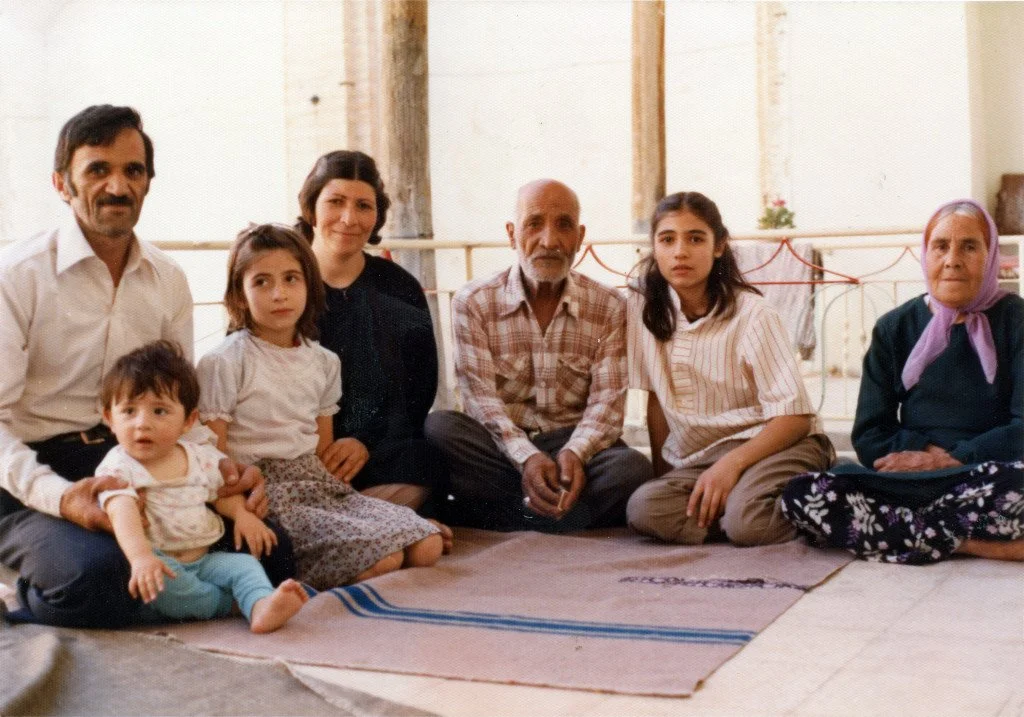
Rehearsals for a Revolution highlights both her current diaspora and the enduring fire of radicalism. As harrowing as it is to witness decades of dictatorship, every rebellion and protest without fear is documented. The archival footage unearthed is beautifully restored, and personal footage grants intimacy between the self-portrait and the evolution of filmmaking styles across the decades: from the Super 8 that her father, director Jamshid Ahangarani, and mother Manijeh Hekmat (who is a pioneer for Iranian female filmmakers and movies I’m interested in watching) used to film on, to today’s iPhone.
The revolution is not televised but is certainly captured, no matter the lens. That burgeoning radicalist spirit rages in each chapter. The Iranians held an unspoken power that wouldn’t allow them to idly sit by, as being complacent — which has become America’s middle name as it has affected our own systems and contributed to our decline — was more damning than death.
Each segment, or “episode,” as she calls them, chronicles a topic across the political spectrum: the Iraq War, the Islamic Revolution and dismantling of the Shah, institutional misogyny, where being seen without a hijab cost women their jobs if not worse, the massacres of the 1999 student protests, in which her late uncle, a Tehran University journalist, participated, and the 2009 Green Movement protests, which she was directly involved in. Each turning point, documented through her own or her family’s firsthand footage, photos, outsourced archival materials like news clippings and YouTube videos, illustrates how militarized governments rob innocent people and peaceful protesters of their agency. And yet, it celebrates the Iranian people’s never‑ending perseverance. In the midst of an introspective reckoning, Ahangarani highlights how the protester spirit persists from civil unrest to even the quietest rebellions.
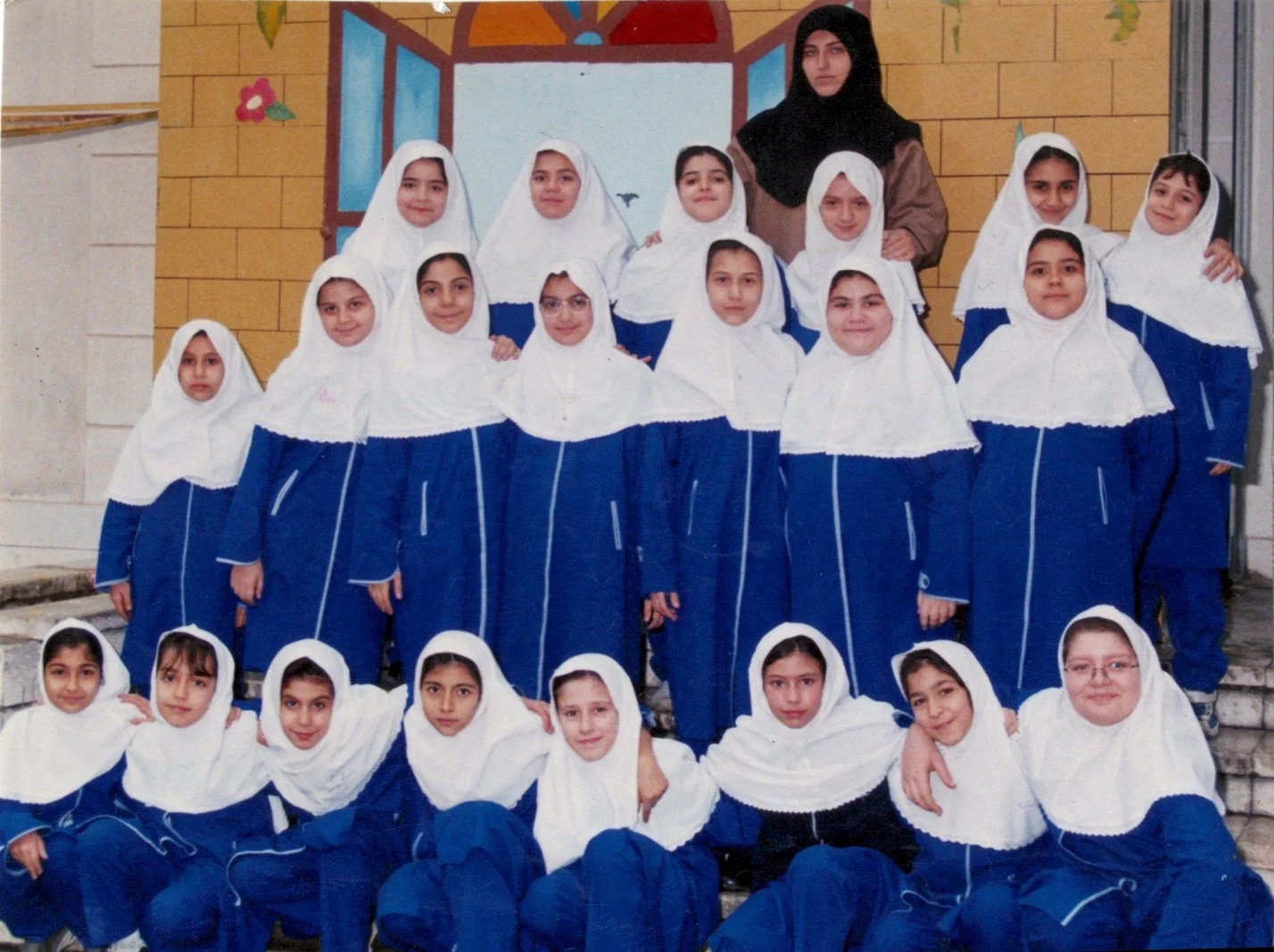
I love how, in areas where media footage is lacking, she incorporates other techniques. My animation‑loving ass took a liking to the use of 2D animation during a segment about taking photos of her beloved blonde English teacher, parading them around her all‑girl grade school and leading to her firing. When describing her manipulative principal, she’s envisioned like a monstrous villain straight out of a Max Fleischer cartoon.
Arash Ashtiani’s editing skillfully combines the footage with Ahangarani’s intimate narration, piercing the canvas of her memories, with her mind lighting like a projector reflected onto a screen. Even when she finds herself as a voyeur in her own storytelling. One of the most powerful images of the year is Ahangarani asking someone to hold her camcorder during the Green Movement, becoming a participant in a harrowing, life‑threatening moment. She pauses to self‑reflect, describing an astral projection by seeing herself. That chapter alone is among the most pulse-pounding, intense, and terrifying images I’ve seen this year. But to highlight the existential weight of it all, an experience that not only changed the trajectory of her narrative but her entire life, elevates the film to a gratifying, visceral level.
Similar to Satrapi’s storytelling, Ahangarani rounds out the political struggle with joy in her footage. She graces the unsettling imagery with flashes of family gatherings, dancing, and celebration — a lifestyle that every citizen deserves. These illustrations show that even amid tyranny, Iranians live full lives, refusing to let destructive militaristic forces break their spirits.
Rehearsals for a Revolution stumbles when it explains what it already made us feel.
At the end of each chapter, generic statistics are displayed onscreen. It disrupts the pace and feels a little dumbed down for the audience, especially given the prior sophisticated storytelling. Granted, it does well to raise awareness of the different revolutionary factions trying to pave the way for change, but the footage and Ahangarani already illustrate this powerfully.
I also think the film gets lost in its auditory aspects. Non‑diegetic sound mixing of destruction and explosions complements the photographic footage, but sometimes drowns out the narration. Even when she reflects on this in narration over the film’s Adobe Premiere timeline (which is such a great detail, as if we’re following the making of a video project in real time), I found myself thinking, “Well, you didn’t need to do that if you’re going to comment on how it manipulates the viewer.”
Even with its flaws, Rehearsals for a Revolution is a must‑see. It’s a powerful, potent memoir that illustrates how true radicalism forms and continues generationally. Through loving, poetic, reflective narration, threaded with incredible filmmaking from everyone in Ahangarani’s orbit, it demonstrates how the resistance of the individual — no matter how loud or quiet, or which faction they operate in — trickles down to the next generation. Hopefully, it will inspire several complacent Western nations.
