
‘It Was Just an Accident’ Review: Jafar Panahi's Bold, Captivating Moral Thriller That Explores Iran's Oppressed is One of 2025's Best
An auto mechanic, a photographer, a bride and groom, and a rage-fueled jobless person try to bury a man with a peg leg alive. It sounds like the beginning of a joke straight out of a 90s comedy, like Weekend at Bernie's and Very Bad Things. However, the characters of Jafar Panahi's situational black comedic thriller, It Was Just an Accident, are anything but. Upon encountering the same officer who ruined their lives, this vibrant group of former prisoners and abuse victims begins actively questioning their morality.
Like the characters in the film, writer/director Jafar Panahi was imprisoned for six months in 2022–2023 for criticizing Iran’s brutal regime and its repression of its own people through CINEMA —Guerrilla style, son! It Was Just an Accident appears as a reaction to his experience, which emphasizes the moral quandaries of the common working Iranian citizen in face of oppression.
If you've only been hearing all the praise since it won the Palme d'Or at the Cannes Film Festival, believe the hype, because this is one of the boldest, most essential pieces of cinema you'll need to see this year.
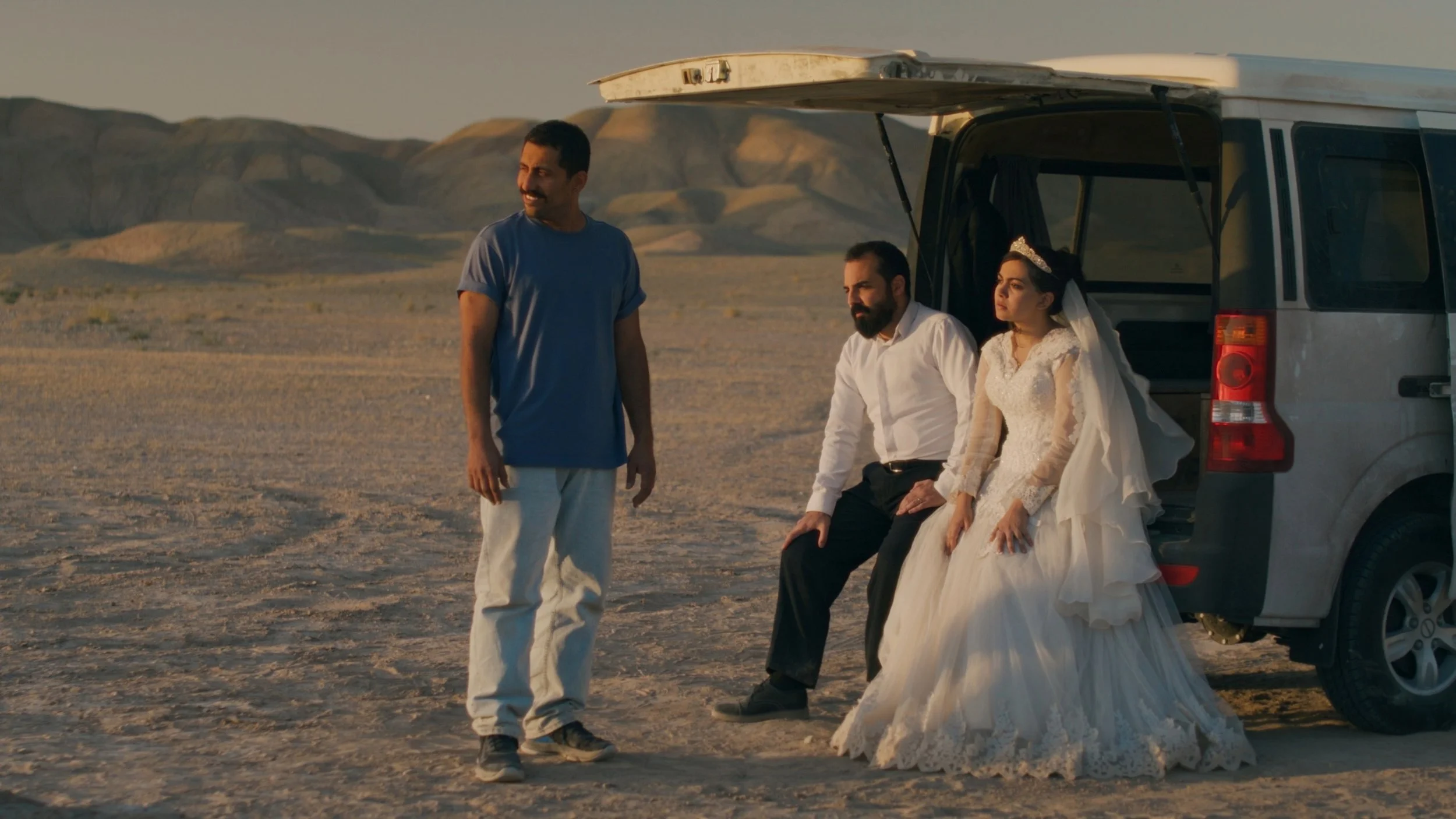
Image copyright (©) Courtesy of NEON
MPA Rating: PG-13 (For thematic elements, violence, strong language, and smoking.)
Runtime: 1 Hour and 45 Minutes
Language: Persian
Production Companies: Jafar Panahi Productions, Les Films Pelléas, Bidibul Productions, Pio & Co, Arte France Cinéma
Distributor: NEON
Director: Jafar Panahi
Writers: Jafar Panahi
Cast: Vahid Mobasseri, Mariam Afshari, Ebrahim Azizi, Hadis Pakbaten, Majid Panahi, Mohamad Ali Elyasmehr, Delnaz Najafi, Afssaneh Najmabadi, Georges Hashemzadeh
U.S Release Date: October 17, 2025
One evening, auto mechanic Vahid (Vahid Mobasseri) hears a family's car break down outside after they accidentally run over a dog. He is instantly staggered by a glimpse of the patriarch, Eghbal (Ebrahim Azizi), and his squeaky peg leg. Vahid follows the peg-legged man, waiting for the opportune moment, then blindfolds him, and ties him up, throws him in his van and transports him to the outskirts of the city, where he intends to bury him alive. However, once there, he begins to question whether the man he is burying is really the same individual who tortured him in prison when he was arrested for "propaganda against the regime", because he had been blindfolded. The man refuses to respond to any of Vahid's probing questions.
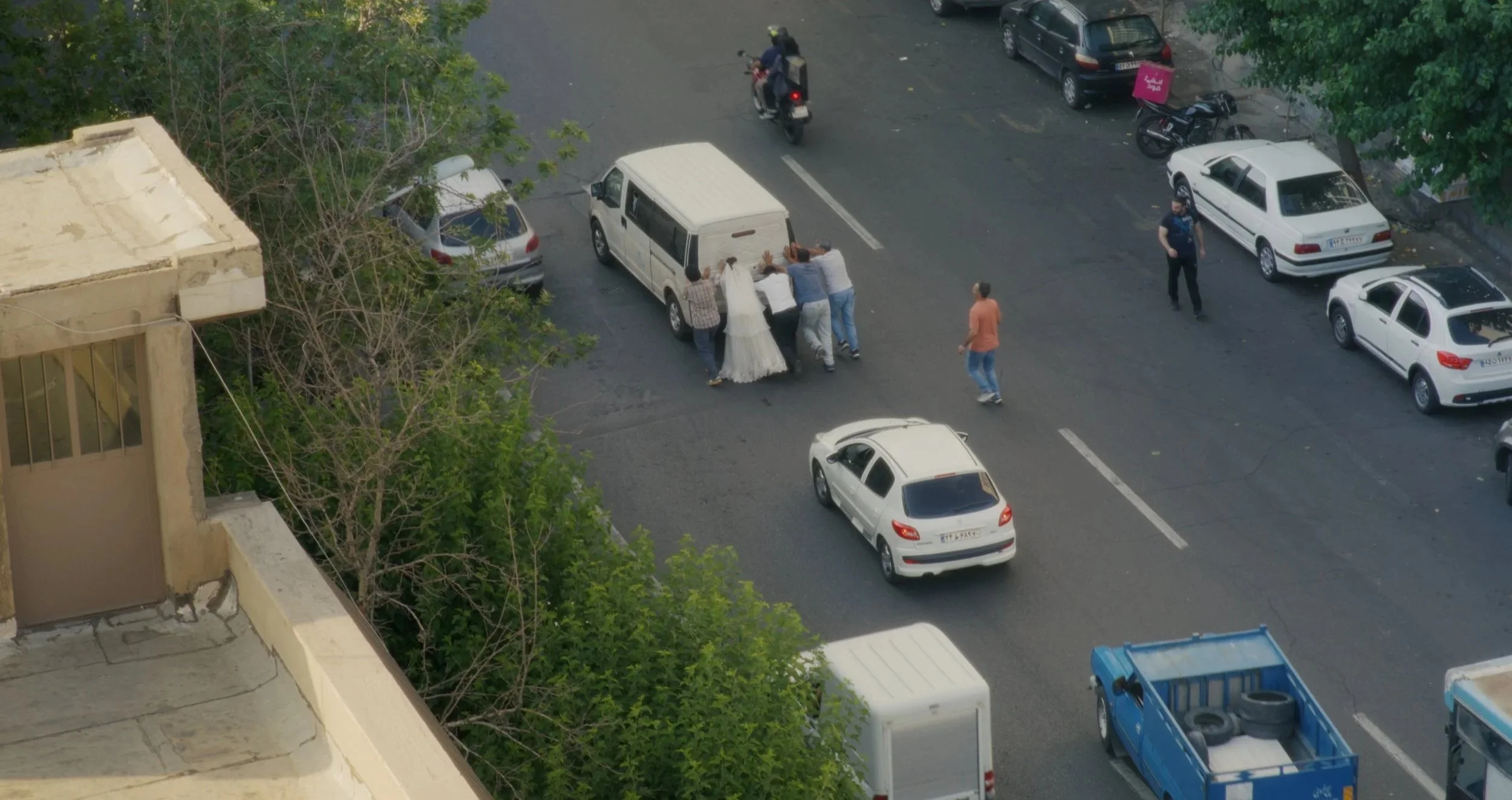
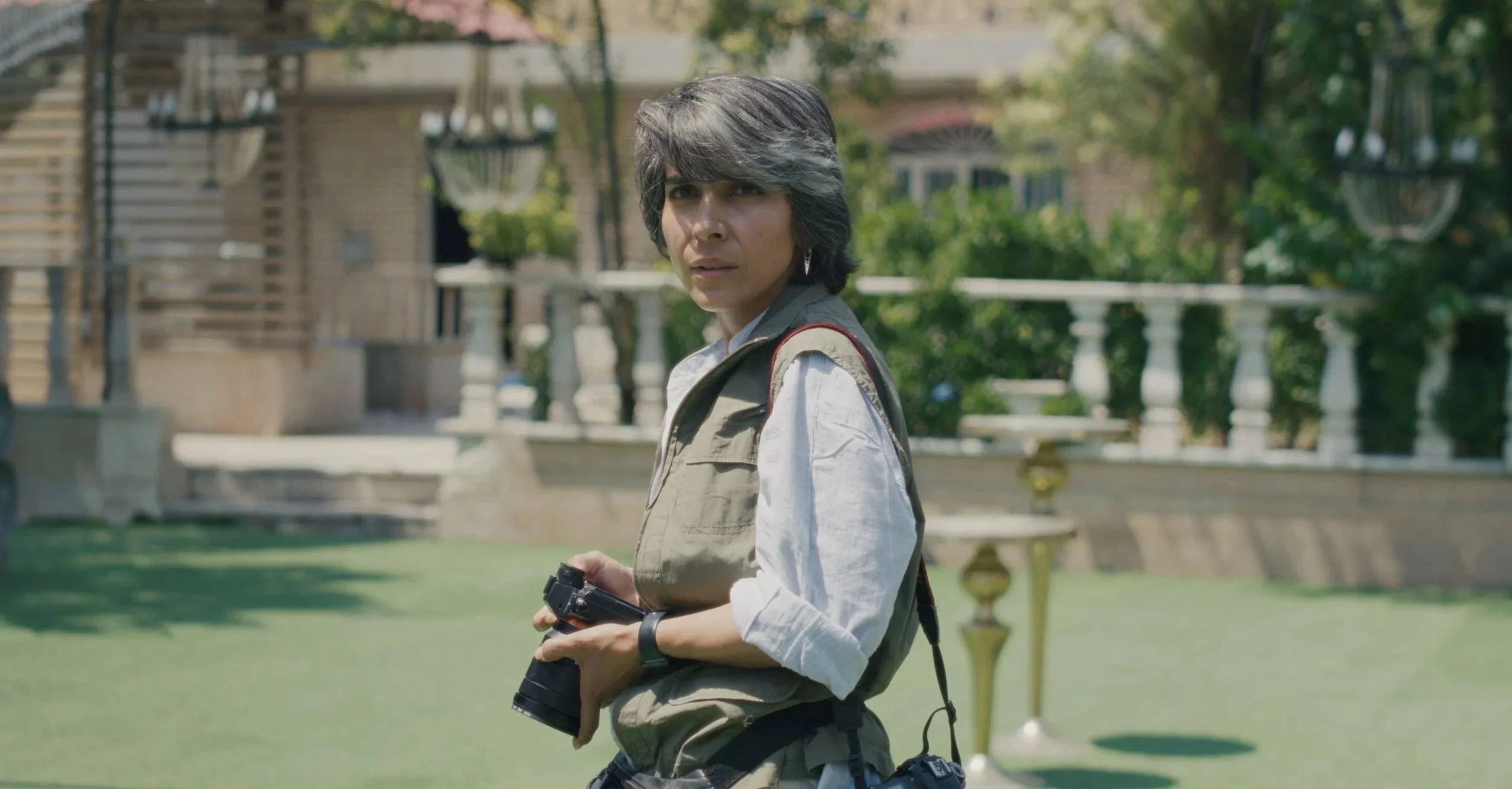
So, Vahid puts him in a wooden crate and drives to his ex-cellmate/librarian friend Selar (Georges Hashemzadeh) to help identify him. Selar sends him to his photographer friend Shiva (Maryam Afshari), who is doing a shoot for Golrokh (Hadis Pakbaten) and Ali (Majid Panahi). Shiva and Golrokh, who had abusers of the same description while incarcerated, also are not sure. They turn to the short-tempered Hamid (Mohamad Ali Elyasmehr), and though Hamid is fairly certain it's him, his aggressive state makes him unreliable. Together, these odd suspects discuss what to do with their victim.
It Was Just an Accident is a powerful examination of the oppressed and their moral quandaries.
IT WAS JUST AN ACCIDENT - COURTESY OF NEON
The brilliance of It Was Just an Accident is how it steadily unravels Iran's bleak, sociopolitical systems through a laser-focus on its working-class ensemble operating in a moral grey area. Panahi ensemble embodies our deep-rooted yearning for retribution and revenge, establishing a 0-10 scale for each person who enters Vahid's van. The realistic dialogue — a blend of natural humor and personality-driven banter — makes the plausible scenario all the more compelling. Even the most erratic member, Hamid, who is a 10 on the scale, is still a well-rounded, empathetic character.
The frequent comical moments do not undercut the tone. You feel these characters’ emotional conflict and the high stakes: can they kill a man when they are uncertain whether he was their common tormentor? Nevertheless, Panahi spins the bottle directly back to the viewer. Watching these people fall apart and their moral dilemmas keeps you on the edge of your seat, wondering what you would do and how far your bloodlust would go if you were one of them. On a rewatch, you might even change your mind, whether you are a pacifist or vengeful.
There is never a sense that Panahi is holding your hand or telling you what to think based on the specifics of what these people went through. His characters, who are rightfully angry, are depicted with subtle internal and external moral conflict. With every additional player that enters Vahid's, you begin to think of them as a microcosm of the countless people who have shared the same fate. You get the sense that with this film, Panahi parsed many facets of himself during his imprisonment and drew from others’ experiences as well. It is heartbreaking to learn that people are subjected to prolonged detention and abuse simply for protesting for equal pay or a woman’s right to appear in public without a hijab. Fundamental freedoms are lacking in contemporary Iran.
Jafar Panahi's exquisite direction allows It Was Just an Accident to steer clear of theatrical trappings.
Maryam Afshari in IT WAS JUST AN ACCIDENT, COURTESY OF NEON.jpg
It Was Just an Accident is structured like a play, as it's dialogue-heavy and is set in a handful of locations. However, Panahi arresting direction precludes any theatricality, leaving the viewer feeling as though they are an accomplice riding shotgun in Vahdid's van, whether in the claustrophobic confines of the car's interiors or the countless humbling wide shots in the desert where he intends to bury his captive. While small-scale, it's emotionally monumental. The expansive, panoramic shots bring out the cruelty of these relatively good people.
Panahi cast beautifully embodies the naturalistic weight and gravity of the film's tone. It's even more impressive when you consider that this is their debut. Yet these first-timers deliver some of the most exceptional ensemble performances of the year. Although Vahid Mobasseri serves as the protagonist, I was captivated by Mariam Afshari's portrayal of Shiva. Despite being perhaps the most dependable and devoted of the group, she gives a heartbreaking, unforgettable sequence of cathartic anguish and release that will remain with me and rank among the year's best scenes.
I am deeply embarrassed to admit that this is my first Panahi film. In NYC, where I live, the Metrograph did a repertory screening of his filmography this past summer, and I missed it. The fact that nearly all of his films were produced illegally and without Iranian government approval, and that he releases a new banger each Cannes season — proudly presented to the world like a man in a leather trench coat might try to sell you drugs — makes him so based to me.
Final Statement
It Was Just an Accident makes me want to lock myself in a van and do my Panahi homework. This dry-witted, rich, engrossing, and daring cinematic examination of morality and the innate desire for liberty and justice in an oppressive system is unlike anything I've ever seen… something countries outside of Iran, such as America, can benefit from as well.
Please consider supporting Rendy Reviews. We’re an independent run, Gen-Z and Black-owned entertainment outlet. You can donate to our Paypal or Venmo to help keep our site running. Or become a subscriber for access to 13-years worth of reviews, exclusive interviews, and more! A free way to support is a sign up for the Rendy Reviews’ newsletter and get weekly emails about latest on movie reviews, interviews with film artisans, features, and more.
