
Wild Rose Review
R
NEON, Fable Pictures, Creative Scotland, Film4 Productions, BFI Film Institute
1 Hr and 41 Minutes
Dir: Tom Harper | Screenwriter: Nicole Taylor
Cast: Jessie Buckley, Julie Walters, Sophie Okonedo, Jamie Sives, Craig Parkinson, James Harkness, Janey Godley, Adam Mitchell, Ryan Kerr, Nicole Kerr
Release Date: June 14th 2019 (US) | April 12th 2019 (UK)
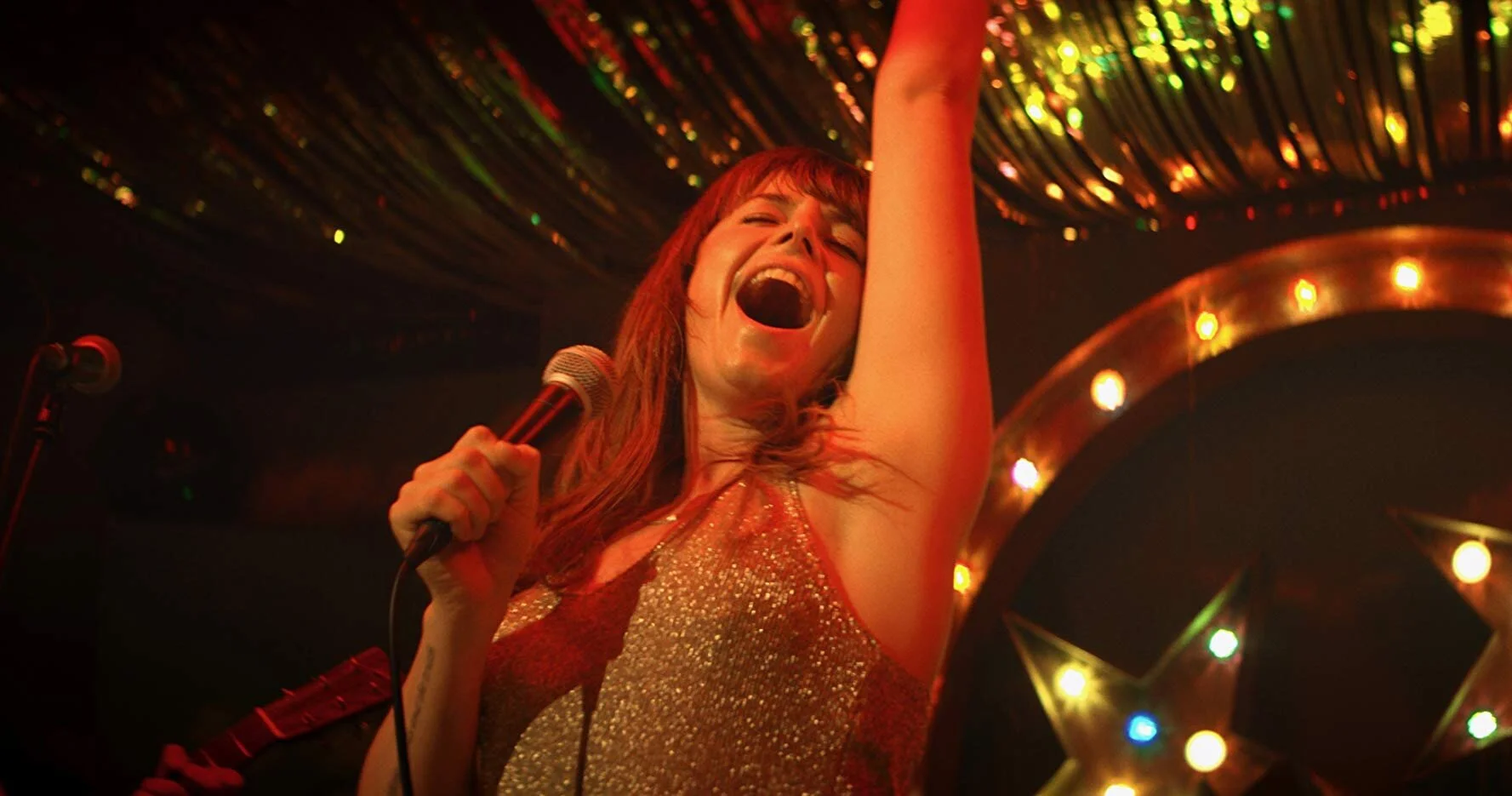
Wild Rose tells the complicated story of Rose-Lynn, a woman on a quest to become a country music star, while also grappling with the responsibilities of being recently released from prison and a young mother of two children.

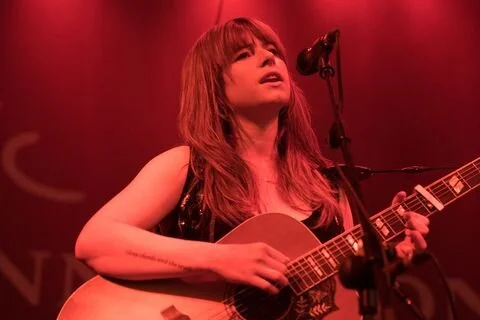
Irish actress/singer-songwriter Jessie Buckley is a whirlwind force who truly carries the movie. No matter how you perceive her character, you have to admit that Buckley delivers a fantastic performance. This is my initial exposure to the actress since I missed the highly praised Beast last year. Yet, once this Irish actress belts out a song (which all featured are original and she co-wrote) in such a sweet country dialect wearing her white, high-heeled cowgirl shoes, you are swept up by her charismatic energy. Displaying her versatility through her dramatic acting performance and incredible vocals, Buckley exhibits how insanely talented she is. Through director Tom Harper’s vision, there are many moments where you enter Rose’s celebratory moments of bliss. The film has amazing sequences where we witness Rose’s love and passion for music, and sometimes it truly makes you smile. Overall, Rose is a MESS, which makes her such an interesting and unconventional character. At first I did empathize with her because you know that at some moment her life just went wrong and everything spiraled for her. Although she’s short-fused, she has to pick up the pieces and her obsession with country music was a huge factor for that.
Julie Walters, who portrays Rose’s mother Marion, is incredible. I mean, she’s Julie Walters. When does she ever half-ass a performance? That said, she is the best written character in this entire movie. Regarding the many character arcs of the film, the one who had the most poignant one was Marion.
What about Rose? The film is called Wild Rose, so surely she should be significant.

Conceptually, I think Wild Rose is amazing. A woman from Glasgow with such a deep love and fascination for country music desires to go to Nashville to achieve her dream but has to face crushing realities and responsibilities. Yet, somehow I just couldn’t dig this movie at all and that’s because of Rose herself.
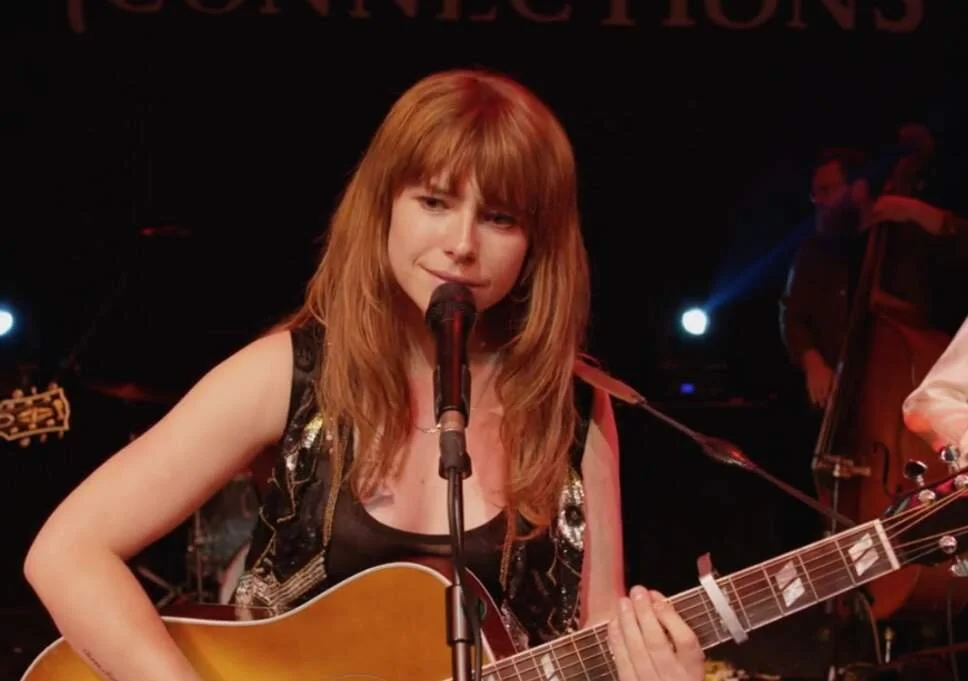
The film starts with Rose being released from jail after serving a year sentence and being on parole. Immediately, with her rambunctious energy, she goes off to see her lover, who she has sex with, and then goes off to pick up her kids and head back to reality. Not to shame the homegirl for immediately wanting to get dick. A dry spell after a year in prison is rough, and to want a quick moment of pleasure is understandable that, but as far as priorities go... kids first, man! I understand this is a huge tie to her character and screenwriter Nicole Taylor does a great job exhibiting this depressive notion where you can tell that at one point, Rose’s life went off the rails and the tragedy roots from her mentality as she tries to maintain that careless free spirit with no regards to her real responsibilities. All she has is her dream to sing in Nashville and that’s it.
My main issue with Wild Rose is the numerous times the film barely faults the central character, who is an overall mess, and has the supporting characters walking on eggshells around her while constantly rewarding her as she exhibits such a poor attitude that I can never fully sympathize with. The person who enables that behavior is Susannah (Sophie Okonedo), a Black wealthy woman who employs Rose as the house cleaner. Right when Susannah enters her home hearing Rose belt out her beautiful voice, she’s immediately bewitched by her talent and her charm, but never does Rose tell her about the baggage she has and you just hate her for it. In context with the character and story it makes sense and links to her arc, but as an audience member I was admittingly annoyed. Even more so with Susannah who accepts Rose with open arms and literally grants her every wish with no real earning towards them. All Susannah does is provide Rose with plentiful opportunities to make her shine.
Nearly every action Rose does either made me cringe or furious throughout, and that’s mostly due to how she constantly neglects her children (a 9-year-old girl and a 5-year-old boy). I’m talking about everything from always leaving them with her mom to leaving them home alone to starve as she’s drinking. While hiding their existence from her employer, her lover and mostly herself, I just couldn’t fully grasp any feeling of sympathy for her at all, but the film keeps on rewarding her as everything seems to go her way long before she makes any sort of progression in her arc.
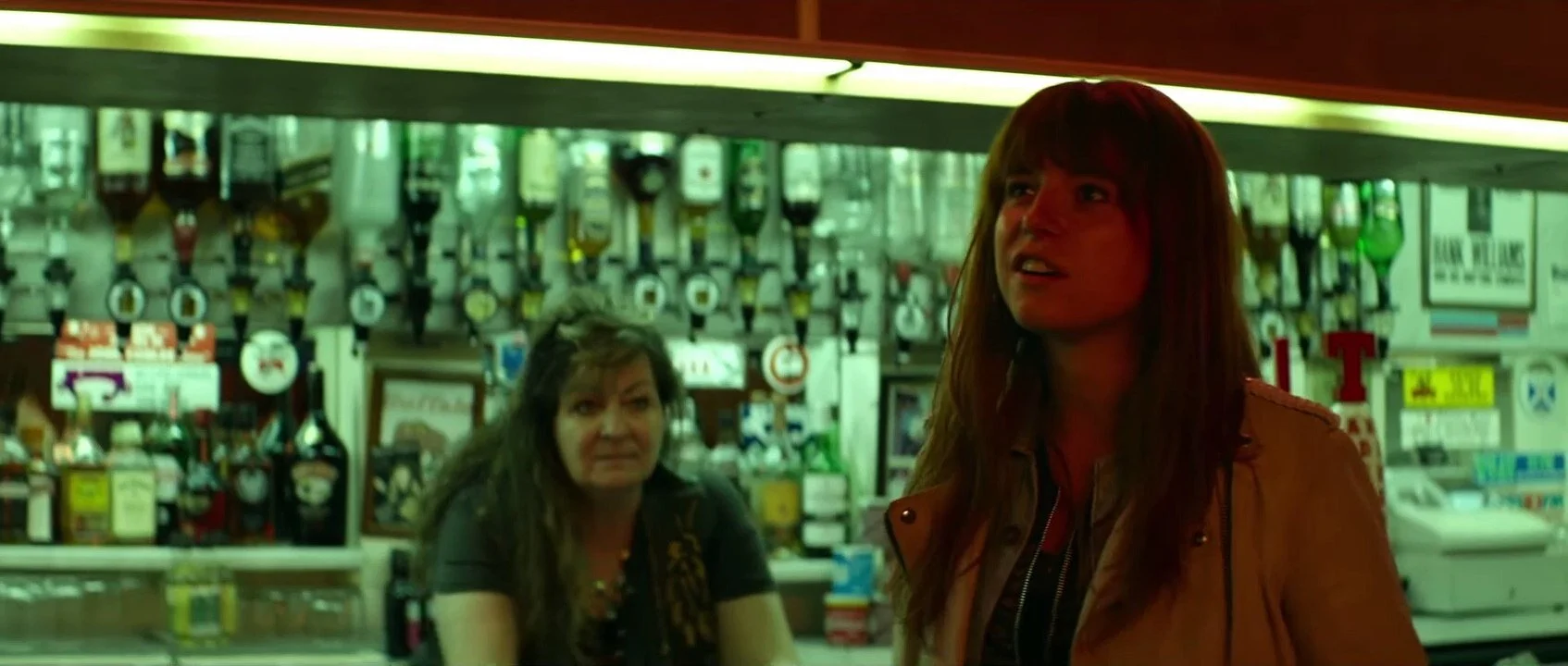
Even her kids resent her and that dynamic is completely understandable. When there are glimpses of progression for Rose to become a more responsible adult, she resorts back to making worse mistakes with even worse consequences. We are prone to make mistakes in our lives, but shouldn’t we also learn from them? This is a character who spent a year in jail, the place where you’re to self-reflect on your actions. Immediately, Rose’s self-righteousness results in her being so short-tempered and physically abusive towards others.
The reason I attached myself to Marion is because she sacrificed her life to take care of three kids: her own daughter (Rose) and her grandkids. I sensed and resonated with the pain and frustration of dealing with her daughter who can’t seem to get her shit together. She is incredible as the only person who calls Rose out on her bullshit as she witnesses her constantly screwing up and letting her kids down.
It takes such a long time to get to even the slightest hint of development. The pivotal shift where character development kicks in around the later half of the movie, but by that point it was a little too late. I was desperately seeking one tiny aspect to help me resonate with Rose, but she just went about her life, drinking all day, getting into petty fights and treating her kids like trash for a good chunk of the movie and that just gutter-balled my emotions towards her. And the film forces you to feel sorry for her whenever people call out her nasty attitude.
Later on, another conflict occurs when Susannah’s husband drives Rose home and bluntly tells her how he’s uncomfortable with her being around his kids because of her baggage and his research. Personally, I understood where he’s coming from, but the film forces you to side with Rose because it’s her story, instead of just leaving it up for interpretation.
To relate this to another film centered on a neglectful mom, The Florida Project was mostly objective and told its story from the perspective of Moonee. Throughout the film you witness Halley , Moonee's mom, being her unapologetic self and while she was consistently problematic, no supporting characters walked on eggshells and they mostly cut to the chase with their opinions of how Moonee was being raised. Or, to compare to a show based on a self-destructive character, Bojack Horseman centers on a complete fuck up who’s prone to making every terrible decision possible. While we watch the show through his perspective, he faces consequences and he’s never rewarded for his actions. None of those elements which makes those works meaningful are present here, and when it gets there, it feels too hollow.
The musical sequences are great, and some usually occur whenever Rose is celebrating over a personal achievement, but some of them don’t feel rightfully earned. There is an intense incident that happens to one of her kids and what Rose decides to do is completely unforgivable that towards the third act when the film finds its true earnestness, I still felt hollow.
As far as the script and story goes, I am more forgiving towards the third act, for the motions are genuine and it becomes truly heartfelt. The final 20 minutes of this movie are damn near perfect to me, but I wish that the first two acts followed the same poignancy as its conclusion.

Wild Rose is an unconventional drama that is slightly more profound and ambitious than others, but the lack of progression written for its central character prevents this drama from reaching for the stars despite its breakthrough winning performance by Jessie Buckley.
Rating: 2.5/5 | 58%

