
'Sheep in the Box' Review: Hirokazu Kore-eda Hits a 404 Error With a Cloying Sci-Fi Melodrama
Since he made me sob through his found family flick Shoplifters in 2018, Hirokazu Kore-eda has been one of my favorite dramatic storytellers. His sincerity in telling melodramatic tales through a grounded lens and strong character writing always had me sobbing on main, visiting every project with a tissue in hand and an open heart, only for my Pisces ass to sob all over again. I still need to see some of his prior works, but Shoplifters and Monster were among some of my favorite films of their respective years.
It brings me no joy to share that Kore-eda’s streak hits a “404 error” with a disappointingly tone-deaf and overly sentimental sci-fi drama, Sheep in the Box, wherein a grieving family gets a mail-order AI son to replace their lost one. It may sound like a wild premise, but it’s infuriating for taking countless narrative turns that – even in its (I would hope) good intentions – wind up making one of the worst movies of the year.
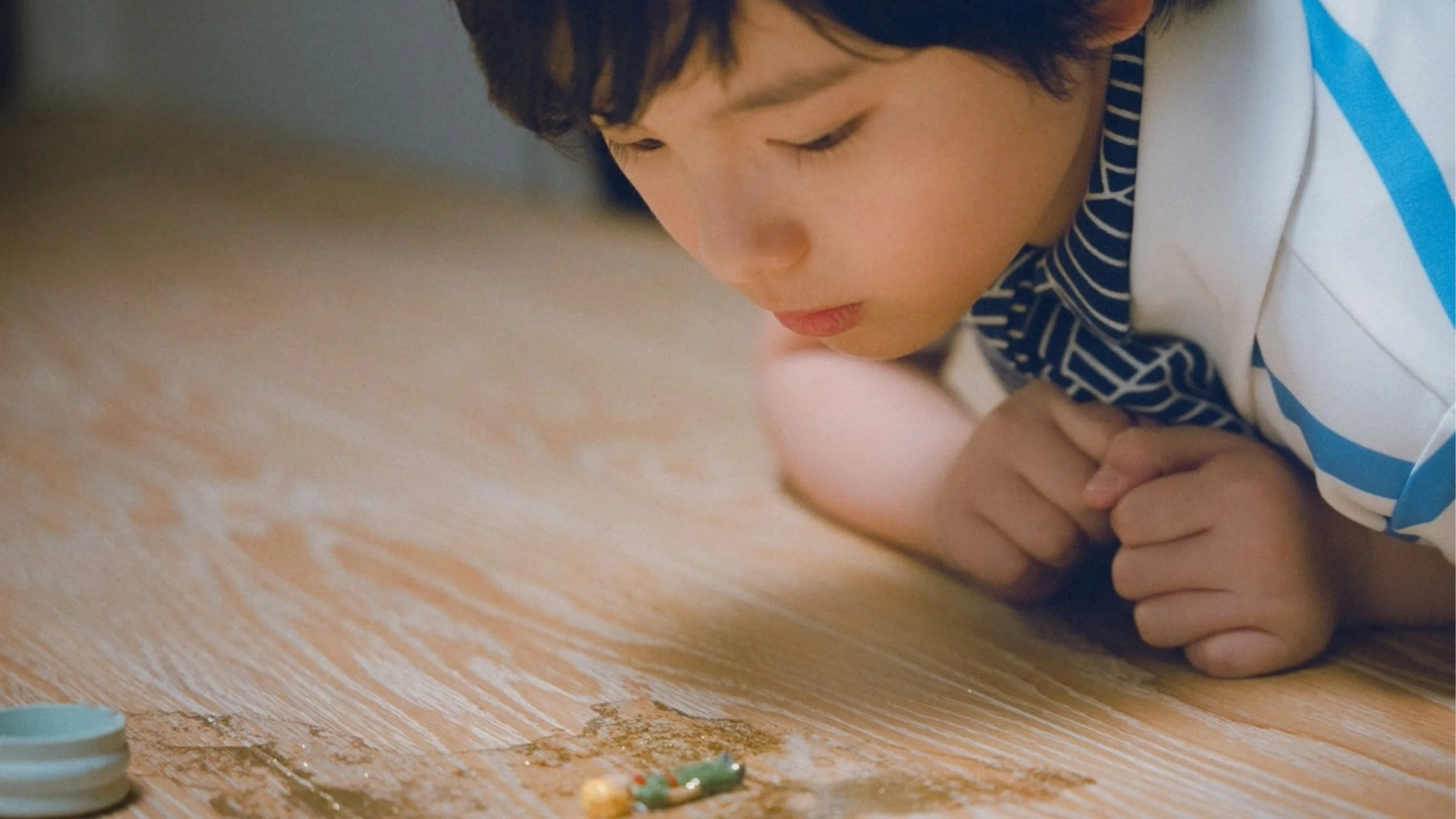
Image copyright (©) Courtesy of NEON
MPA Rating: PG (for thematic material, some language, smoking, and a brief bloody image.)
Runtime: 2 Hours and 6 Minutes
Language: Japanese
Production Companies: Fuji Television, Gaga, Toho, AOI Pro
Distributor: Neon
Director: Hirokazu Koreeda
Screenwriter: Hirokazu Koreeda
Cast: Haruka Ayase, Daigo Yamamoto, Rimu Kuwaki, Nana Seino, Kanichiro, Hinata Hiiragi, Akihiro Kakuta, Kayo Noro, Mari Hoshino, Ayumu Nakajima, Kimiko Yo, Min Tanaka
U.S Release Date: July 24, 2026 (New York and Los Angeles)
Set in the distant future, a married couple, Otone (Haruka Ayase) and Kensuke Komoto (Daigo Yamamoto), mourn the loss of their 7-year-old son, Kakeru. While they go about their daily lives, working in their respective careers as an architect and a carpenter, their lavish home is full of deep sadness. One day, Otone hears of an AI company called ReBirth and visits their headquarters, learning they make humanoid robots of practically anyone. Kensuke thinks it’s weird, remarking, “They make a profit off others’ misfortunes.” That doesn't stop Otone from wanting to push all her chips in on a new robo-son.
A few weeks later, the couple’s humanoid, Kakeru (Rimu Kuwaki), arrives. Kensuke outright rejects him. Otone completely embraces him, not caring about the mechanical pieces within him. However, both face an impasse when they learn Kakeru has interests of his own apart from the son they lost.
Grief, identity, and a little prince.
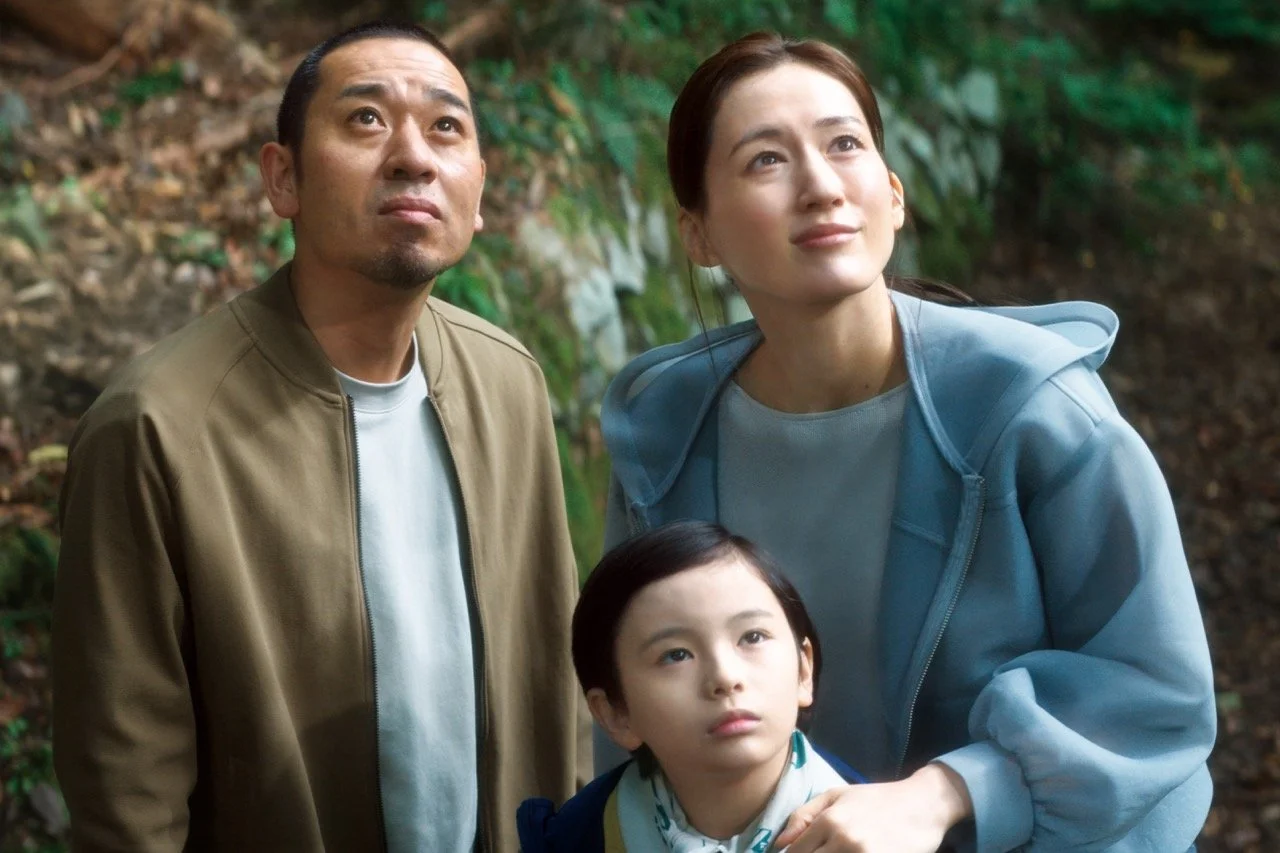
Daigo Yamamoto, Haruka Ayase, Rimu Kuwaki in SHEEP IN THE BOX | Courtesy of NEON
Sheep in the Box is a new-age Pinocchio tale for our generative AI-obsessed age that had some interesting things going for it. AI Kakeru forges his own identity, but the Komotos are wrapped up in grief. As they get used to him, the film slowly unravels pieces behind their real son’s passing. Through scenes of Otone’s strict, blunt mother (Kimiko Yo) visiting their home or going on a parent-child outing with him, you get a full picture of not only what happened to Kakeru, but also the weight of the grief still affecting them. It’s the film’s most engaging element, working in its favor.
Also, The Little Prince is referenced throughout, since the title came from the book. I like that. More movies should reference The Little Prince.
Kore-eda’s humanity gets lost in the algorithm.

Rimu Kuwaki and Haruka Ayase in SHEEP IN THE BOX | Courtesy of NEON
Kore-eda is great at penning tales about human connection, especially intimate familial ones. With Sheep in the Box featuring an AI system, in a time where people are becoming less functional because they rely on it, I initially assumed that Kore-eda would switch up his sentimental style. Perhaps excavate a message on the significance of grief and how essential and humanistic it is while providing social commentary on this AI-obsessed landscape. Nope. Sheep in the Box plays it as straightforward and melodramatic as possible. If you’ve seen any sci-fi flick about bots and found family, well, Kore-eda practically copies and pastes the greatest hits but shrouds it in dull plotting and excessive sentimentality.
While Haruka Ayase provides an empathetic portrayal, Otone is a very frustrating character. She embodies all the traits of people who would not second-guess, let alone question, the emotional ramifications affecting her life. When Kakeru comes in, she alters her demeanor to maintain the illusion, even refraining from eating. God forbid Kensuke says anything about it, as his astute, wry disposition makes him the only identifiable character worth rooting for. But considering how direct Kore-eda plays its beats, it’s only a matter of time before he warms up to the 1010101010 son. And it’s not just him. Every realist who encounters Otone and criticizes her for replacing Kakeru is negatively framed, only for them to also eventually fall for the kiddo.
As opposed to other family fare about AI companions, like After Yang or even Astro Boy, which I kept thinking about, considering they share the same setup where a grieving parent gets a robo-child to replace a dead son, Sheep lacks a genuine conflict to keep you tethered to its story. There’s a subplot of Kakeru, say it with me now, gaining his own free will. It’s never connected to the themes of grief, though.
The mystery element isn’t given much attention, for much of its excruciatingly sluggish over two-hour runtime is spent with the family raising and embracing their AI boy. It’s all done with no discernible development among any of the characters. They get to a newfound destination by the conclusion, but Kore-eda’s script does little to no real character work to have any of its purported emotion feel earned.
Because of the “what you see is what you get” condition told with such cloying artifice, Sheep inthe Box simply winds up being boring.
The most irritating part is how often it had the opportunity to make a statement on how human reliance on artifice leaves one stagnant and repressed. Again, the only well-written characters are the ones who represent a straight-minded person… only for them to fall victim to the cutesy bot’s charm. There’s an odd parallel between the humanoid and trees, concerning whether they also have souls, considering they don’t speak. Besides making me writhe in my seat wanting to scream “yes, because plants are living things,” as if they aren’t vital to our entire ecosystem, the film actively refuses to explore that concept either.
Last Statement
A huge miss for Kore-eda, Sheep in the Box is a tone-deaf, drab, and hollow family melodrama that desperately needs humanistic realism to balance its cloying, sentimental phoniness.
