
R: Drug use and some language
Runtime: 1 Hour and 53 Minutes
Production Companies: American Zoetrope, The Apartment Pictures
Distributor: A24
Director: Sofia Coppola
Writers: Sofia Coppola
Cast: Cailee Spaeny, Jacob Elordi, Dagmara Domińczyk, Rodrigo Fernandez-Stoll, Luke Humphrey, Dan Beirne, Olivia Barrett, Dan Abramovici, R Austin Ball, Evan Annisette
Release Date: November 3, 2023
Only in Theaters
When you need a portrait of a girlie undergoing the tribulations of girlhood from an authentic female lens, told through a grounded approach, you call Sofia Coppola. Whether set during contemporary times or centuries ago, a Sofia Coppola joint glows from her meditative style, elegant set design, and the underlying stress her protagonists are going through—caused mainly by men. Her latest project, Priscilla, has the famed filmmaker applying her special Sofia sauce to Ms. Presley's relationship with the King of Rock and Roll. There’s some truth in that sauce, considering that Elvis's estate told Coppola, "Hell no, you ain't using his music. You better call your hubby Phoenix." Their disfavor of providing licensing rights proves how acute Coppola's depiction of Elvis and Priscilla's romance is as she finally addresses the elephant in the room: they were a hunka-hunka burning red flag.
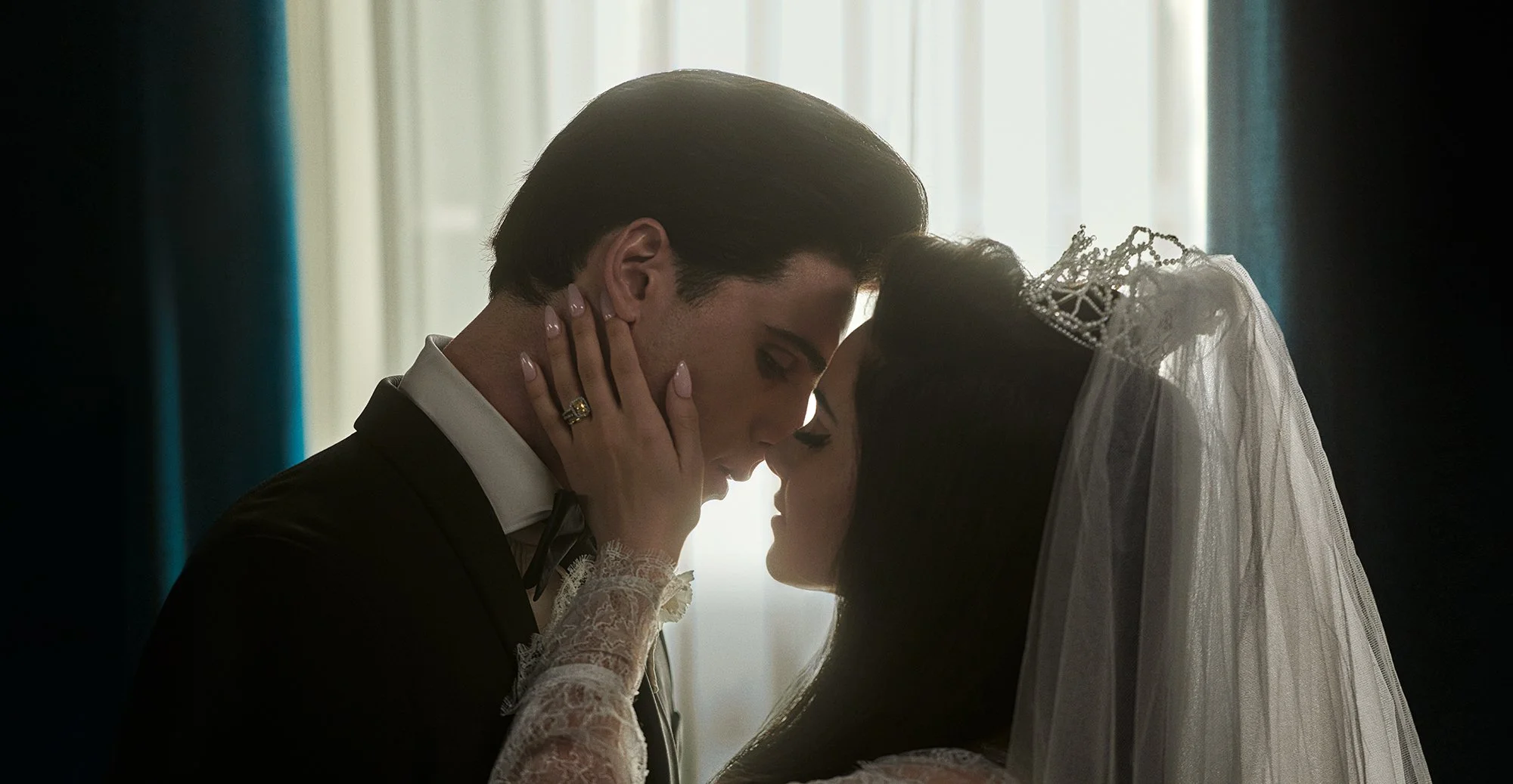
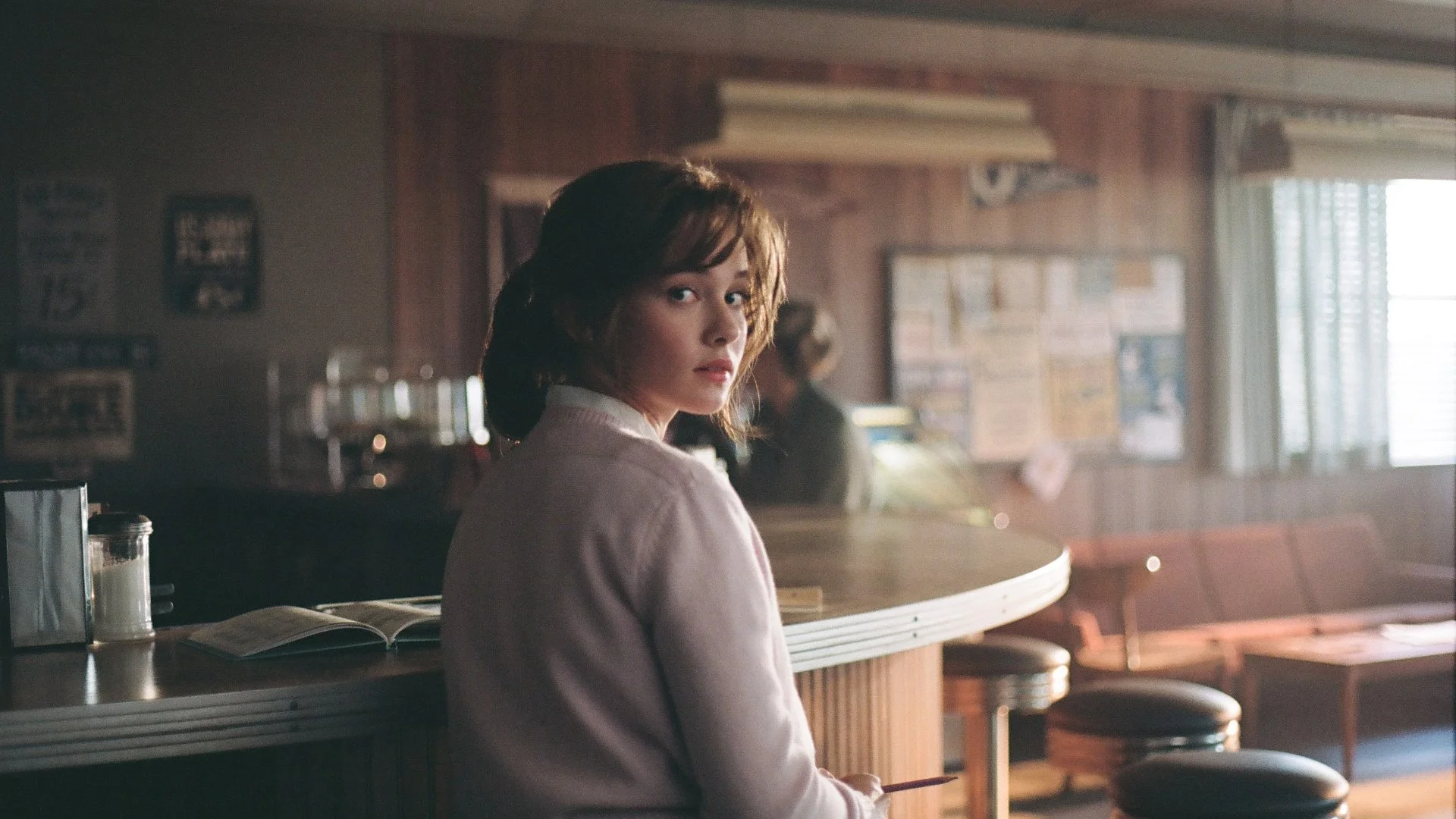
Bad Nauheim, Germany, 1959, 14-year-old Priscilla Beaulieu gets invited to a party her favorite musician, Elvis Presley—who was in his military boy era—will attend. Her mom (Dagmara Domińczyk) and Air Force officer step-dad Paul (Ari Cohen) reluctantly let her go. At the party, she and Presley, ten years her senior, meet and instantly hit it off. She gains his trust so quickly that he reveals his vulnerable side to her in private as he reels from losing his mother, and she tends to him emotionally. Beaulieu falls head over heels for him even though their meetups took a couple of year-long hiatuses. When reunited, she does what every young girl wishes: move out of her parent's crib and into Graceland with Elvis, where she transfers into an all-girls Catholic high school. Her companionship with the musician catapults to courtship and marriage. Priscilla Presley soon learns to be careful what she wishes for once her American fantasy with the king of Rock and Roll quickly becomes a nightmare.

Adapted from the autobiography Elvis and Me, written by Priscilla Presley with Sandra Harmon, recreating a series of recollected memories from the ground up, Coppola allows Priscilla's viewpoint to tell the tale. The film plays like a picturesque therapy session with Priscilla on the couch and Coppola as her therapist jotting down every detail. Elvis and Priscilla's love affair is a complicated topic. There's a reason why Baz Luhrmann skirted around the age gap in his biopic. However, Sofia Coppola seeks the truth in her storytelling, directly laying out the timeline of their romance without any hint of malice or bias. To this day, Presley doesn't see her late ex-husband as a pedophile or a creep. Sofia Coppola respects that sentiment and delicately depicts her subject's romanced state without romanticizing their relationship.
Chronicling every intricacy of their relationship, Priscilla examines the transparent power contrast in the leads. The development that was supposed to transpire in her brain as a teen became arrested once Elvis hip-thrust his way into her noggin. The drama transforms into a psychological thriller once Priscilla realizes the downsides of moving into Graceland with Elvis. The King becomes a dictator, controlling her wardrobe, exhibiting random spurts of anger, withholding sexual activity (until she’s of legal age) only to cheat on every film set, and other weird conduct. Usually, children who grow up too fast do so while enduring the sins of their parents, but Priscilla was living with the most famous man of his time. With Priscilla's fantasy showing cracks at the seams in real-time, there's a gradual growth to her power coming to her own while her innocence depletes. It's difficult not to feel sympathetic toward Ms. Presley.
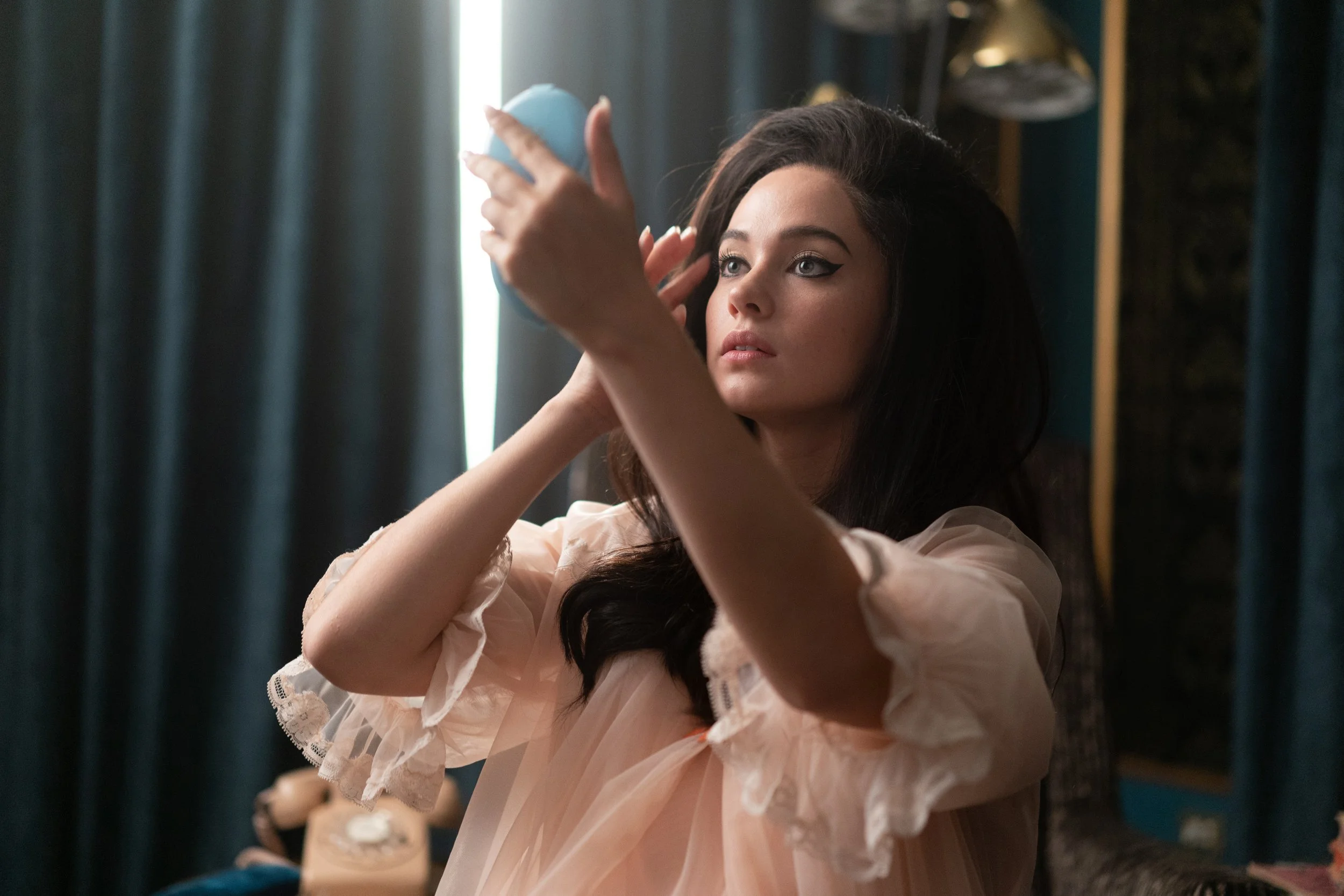
Through the minimalist style Coppola delivers, the emotions ring loud. The conversation doesn't end at Elvis either, for Priscilla presents a universal depiction of how any man would take advantage of one's naivete and sometimes exploit it. And boy, does Elvis treat her the same as every quintessential fuckboi, even down to ghosting her for years.
The film flourishes in its production aspects. Coppola loves a good period piece project because she gets to be idiosyncratic in her detailing. Her hearty art department crew either collaborated with her before (costume designer Stacey Battat), worked with other visionaries like Guillermo del Toro (production designer Tamara Deverell), or had a hand in peak TV like Chucky season 2 (art director Danny Haeberlin and set decorator Patricia Cuccia). Yeah, you heard me. PEAK TV. They all provide masterful work, adding a floral, multicolor visionary fashion that juxtaposes the dark undertones of their marriage.

The production shines in its Graceland-set segments. For recreating the Tennessee residency in Canada, it's as if the Chucky vets called upon dark spirits and summoned Elvis' home to the Maple Country. It's luxurious and heavy in prop detailing. Once it becomes the sole location in the narrative's second half, Graceland becomes a character, with its vacant halls and shiny materials adding to the lead's loneliness. Despite its anti-climatic cathartic release once she finally escapes from prison, seeing her find her freedom like Princess Diana at the end of Spencer is joyous.
I’ve been waiting for Cailee Spaeny to get her big break after seeing her carry several Zoe Lister-Jones flicks (The Craft: Legacy, How It Ends), and this is the career-best star-turning performance that exemplifies her range. Spaeny delivers an eternal portrayal of Priscilla, embodying her childlike, innocent nature as a 14-year-old to her grown woman reaching her confidence, no CG de-aging included. Spaeny captures Presley's youthfulness with sparkly-eyed purity in her conduct and mannerisms, meditative attitude, and soft-spoken dialect. The most shattering parts of her performance are often in her intimate scenes where she's either mediating Elvis's unhinged demeanor or alone in Graceland, her loneliness and regret written on her face.
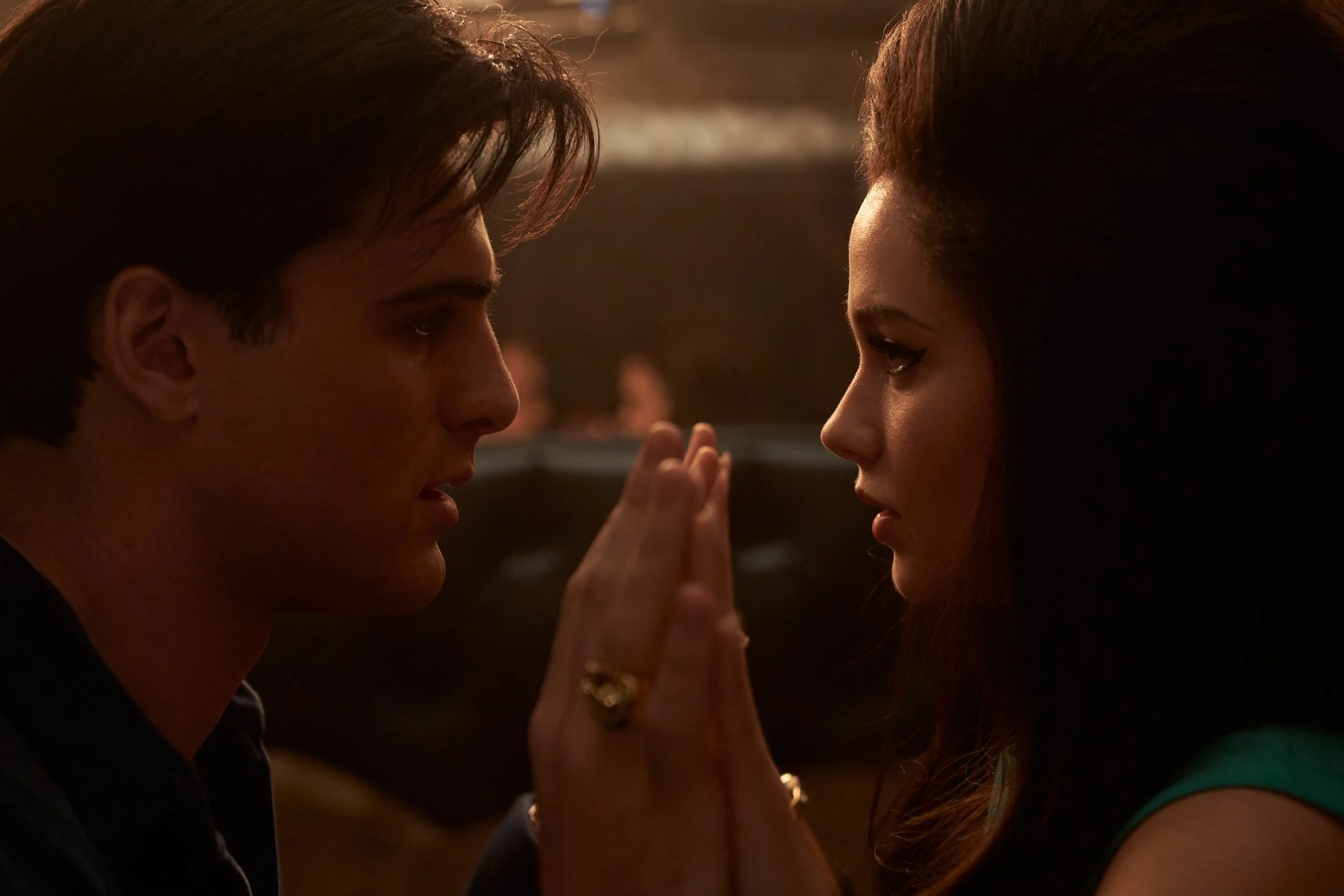
Jacob Elordi. Pull him far away from Sam Levinson. He’s outgrown him, big time. I find it funny that Austin Butler had to go through Elvis boot camp while Jacob Elordi's large physique, strong jawline, and beady eyes were sitting on the sidelines drinking a Mai Tai. The British actor was born with Elvis DNA because he aces the assignment, exhibiting each facet of the figure, including the dark aspects Luhrmann skirted around (and I love that movie, too). Elordi adds a humanistic ingredient to the icon in scenes with him and Spaeny showcasing their love and his stunted growth.

With spectacular production detail, a delicate visual style, and a career-best performance from Cailee Spaeny, Sofia Coppola's study of Priscilla Presley's tornado romance with Elvis is as devastating in its portrayal of her robbed childhood as it is frank in depiction.

