
Mike Wallace is Here Review
PG-13: Thematic material, some violent images, language and smoking
Studio: Magnolia Pictures, Drexler Films, Delirio Films
Run Time: 1 Hr and 30 Minutes
Director: Avi Belkin
Cast: Mike Wallace
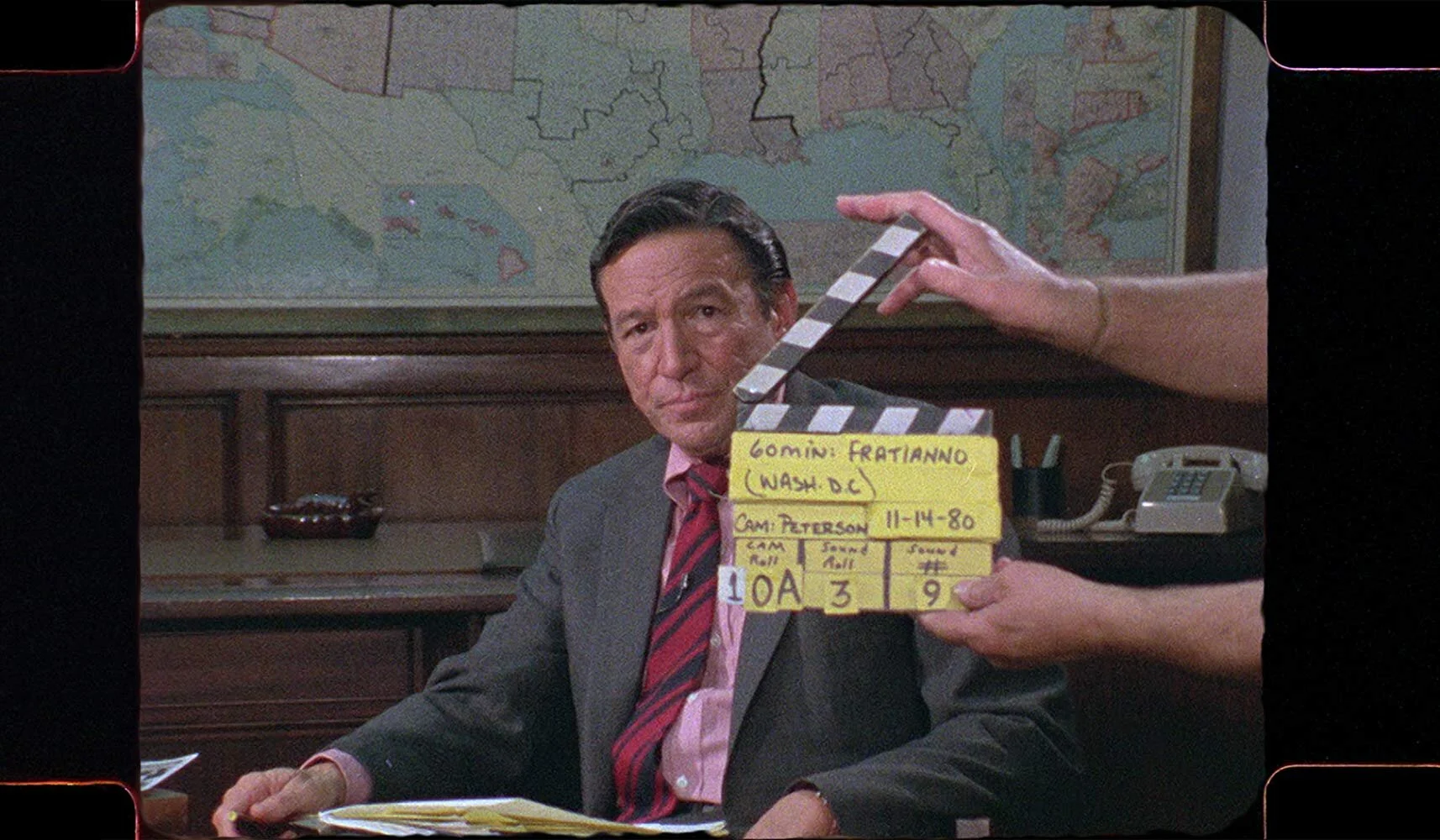
Deemed the “enemy of the people” by our current president, journalism in America is on the chopping block. Lies, fake news, propaganda, and verbal subterfuge threaten to cripple our First Amendment. This fascinating exposé of 60 Minutes’ fearsome newsman Mike Wallace turns his hard-hitting, no-holds-barred journalistic style loose on Wallace himself, who is considered by many to be the inventor of the form. Mike Wallace unflinchingly interrogated the biggest figures of the 20th century. During 50 years on the air, his aggressive reporting style and showmanship redefined what America has come to expect from broadcasters.
Certain sounds can strike a familiar chord and trigger reactions or expectations. When you hear the Mister Softee tune, you know the ice cream truck has arrived. When you hear a bell ring, you know it’s time for class. And when you hear a stopwatch ticking, you know it’s time for 60 Minutes. Greeting you at the start of the program was Mike Wallace, whose signature voice captivated America for decades. In the latest doc from director Avi Belkin, Mike Wallace Is Here follows the career of the entertainment journalist told through archival footage, whether it be behind-the-scenes moments before his 60 Minutes segments were recorded or news reportings surrounding the figure.
From the film’s opening, as Mike Wallace goes one-on-one with Barbra Streisand who starts to intimidate him, calling him a “son of a bitch” because of his no nonsense attitude in an interview from 1991, it is visibly evident that Belkin did his homework on Wallace. Belkin does effective work crafting this entire feature with a variation of clips stringing along a narrative with thoughtful themes. As someone who only knew Wallace as the TV personality who hosted 60 Minutes and nothing else, the feature is enlightening as Belkin reveals footage of his background and how he was in the showbiz business long before that ticking stopwatch came into the picture. If you know someone young (like myself) who is pursuing a career in journalism, this doc is an essential watch. In this day and age where literacy and journalism are threatened by the idea of “fake news” via conservatives, which can become discouraging for people, including current journalists whose hard work often goes unrewarded, it’s inspiring to be reminded of the meaningful aspects of the occupation. Granted, this was a person who has never hit a financial low. The efforts he made to make a name for himself in journalism and the footage Belkin compiled are inspiring to watch.
This was a man who never drew a biased take of the figures he interviewed no matter how notoriously evil they were, how their morals varied, or what their rank in power was. As long as there was a story, MIKE WALLACE WAS THERE! On that front -- getting to learn about the figure and his skillful social tactics that kept him so relevant and respected -- the movie is entertaining.
On the other hand, the film often loses sight of the figure’s portrait and becomes the equivalent of a clip compilation that could’ve been made and uploaded to YouTube. Outside of the impressive footage of his life as an entertainer in the ‘50s, the footage loses its flair as the picture gets sidetracked to show off the relevant figures still kicking today that Wallace once interviewed in his career. It’s impressive at first, but after a while you go:
When the narrative is consistent and sticks to its footing of Wallace’s story, especially when it dives into his tragedy, it’s compelling. The most enticing moments come from areas where it gets real and comments on the depressive consequences that come from being in the public eye. As he is denounced by “respected journalist officials”, you see the effect it has on his mental state. He seeks validation by traveling to war zone countries for interviews and insists on proving how real and legitimate of a journalist he is to people who somehow have some kind of superiority. The most intense sequences root from Wallace interviewing war leaders, for you know if he triggers anything with either his questions or tone, that’s his ass. Even though you know he lived a full life, those moments make your nerves tense.

Mike Wallace Is Here is a well-crafted doc made entirely from archival footage that strings together for a thought-provoking narrative on the art of journalism through a portrait that is often more compelling than not.
Rating: 3/5 | 63%

