
Honeyland Review
NR
Studio: NEON, Trice Films
Run Time: 1 Hr and 25 Minutes
Dir: Tamara Kotevska and Ljubomir Stefanov
Release Date: July 25, 2019
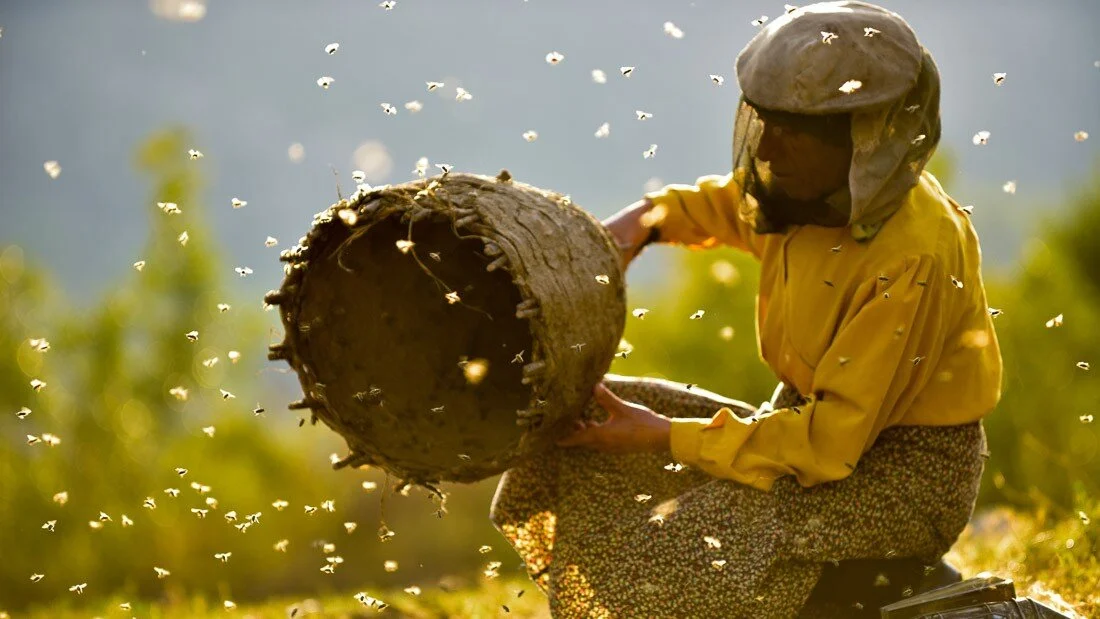
In a deserted Macedonian village, Hatidze, a fifty-something woman in a bright yellow blouse and green headscarf, trudges up a hillside to check her bee colonies nestled in the rocks. Serenading them with a secret chant, she gently maneuvers the honeycomb without netting or gloves. Back at her homestead, Hatidze tends to her handmade hives and her bedridden mother, occasionally heading to the capital to market her wares. One day, an itinerant family installs itself next door, and Hatidze’s peaceful kingdom gives way to roaring engines, seven shrieking children, and 150 cows. Yet Hatidze welcomes the camaraderie, and she holds nothing back—not her tried-and-true beekeeping advice, not her affection, not her special brandy. But soon Hussein, the itinerant family’s patriarch, makes a series of decisions that could destroy Hatidze’s way of life forever.

This year’s Sundance gave us The Last Black Man in San Francisco, but one documentary you probably missed out on was Honeyland, also known as “The Last Beekeeper in Macedonia”. Okay, I might be the only one who refers to the movie by that title, but that’s exactly what the film is. During the festival, this documentary swept a ton of awards, including the World Cinema Grand Jury Prize for Best Documentary and Best Cinematography. When you go to Sundance (or any film festival), you watch films based on both synopsis and still, considering there isn’t much footage to go by. Honeyland was one of the films where I was going by the title and signature still while disregarding the plot description. I assumed this was going to be a documentary about bees. I was so wrong. Oh my God, I was so wrong.

In this beautifully shot doc, we follow Hatidze, a gutsy, sweet, and bold woman who dedicated her life to doing two things: caring for her elderly feeble mother and the bees. Her job revolves around bees and producing some of the best honey in the world. In the first several minutes, Hatidze is shown scrapping a comb for honey and biting into it, no matter the potential consequences. Throughout the film, she struggles with bees, coyotes, and even Mother Nature herself, but nothing can prepare her for her greatest challenge yet: neighbors.
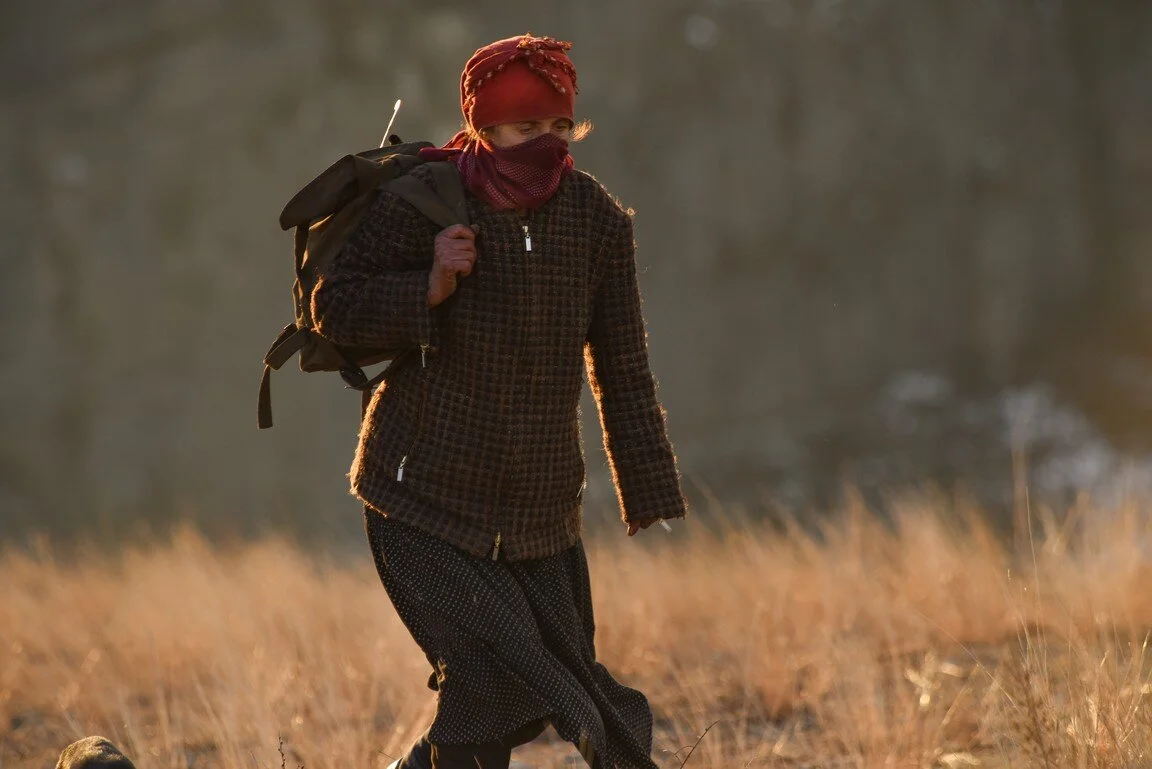
Hatidze’s steady and safe living is disrupted when a family of seven (well... nine, including the parents) moves in next door. You see how this woman poured her heart into taking them under her wing, but trouble brews and you witness the trials and tribulations that she -- and the kids from her neighboring family -- faces.
The beauty of the film comes from its real time storytelling as directors Tamara Kotevska and Ljubomir Stefanov fearlessly express the emotions through their cameras as you observe the lifestyle of this hardworking beekeeper. Truly, this is Cinema Verite at its finest, for you sink into the motions of this powerful story all the way through. The cinematography is stunning as you’re following this family and Hatidze in a Balkan landscape that not many filmmakers dare to travel to because of the life-threatening conditions. But to see people inhabit the area (and facing the cruel ramifications from it, as well) is a heartbreaking aspect that moves you to your core.
In a year where films are emphasizing the theme of toxic masculinity, Honeyland might be the first picture to truly get the point across thoroughly. As Hatidze begins servicing friendly teachings of beekeeping to the family, the father, Hussain, with his egotistical mindset, quarrels with her wise and native way of living. As the film progresses, the disputes escalate.
The filmmakers’ boldness to follow this incredible woman and the rural life she leads makes you ponder about class and poor living conditions. It’s as mesmerizing as it is heartbreaking. Despite several slow moments and places where you feel uneasy due to the brutal unsanitary truths it captures, Honeyland is a well-crafted doc that will leave you emotional.

As mesmerizing as it is truly heartbreaking, Honeyland is a well-crafted doc that prospers from its observational format and the incredible message it carries.
Also, if you need a film that proves that men ain’t shit, this is the doc for you.
Rating: 3.5/5 | 78%

