
‘Making Marie Antoinette’ Review: A Moving Mother-Daughter Portrait Behind Sofia Coppola’s Biggest Film
Don’t behead me when I admit I haven’t seen Marie Antoinette. That and Lost in Translation are my only two blind spots in Sofia Coppola’s filmography. Nevertheless, I’ll be audacious and cover the making of a cult classic that has a chokehold on millennials, from Coppola’s confident direction to Kirsten Dunst’s domineering lead performance and Milena Canonero’s lavish Oscar-winning costumes.
However, Sofia’s late mother, Eleanor Coppola, makes it personal in her first and (sadly) final solo documentary, Making Marie Antoinette, an intimate, loving portrait of a mother feeling immense pride and inspiration, capturing her daughter in her element as she undertakes the biggest production of her career. You don’t need to be a fan of the original film to be bewitched, beguiled even (heheh), by Making Marie Antoinette.
The film was conceived as a COVID project for the mother-daughter duo, as they saw they had 80 hours of documented footage and thought something had to come of it. Following the director’s passing in 2024, the project was finally completed. It’s like if the Kris Jenner “you’re doing amazing sweetie” meme was a documentary. Yet, it snuck up on me as its touching warmth and love between the proud parent and artistic child, worn on its sleeve, made me teary-eyed.
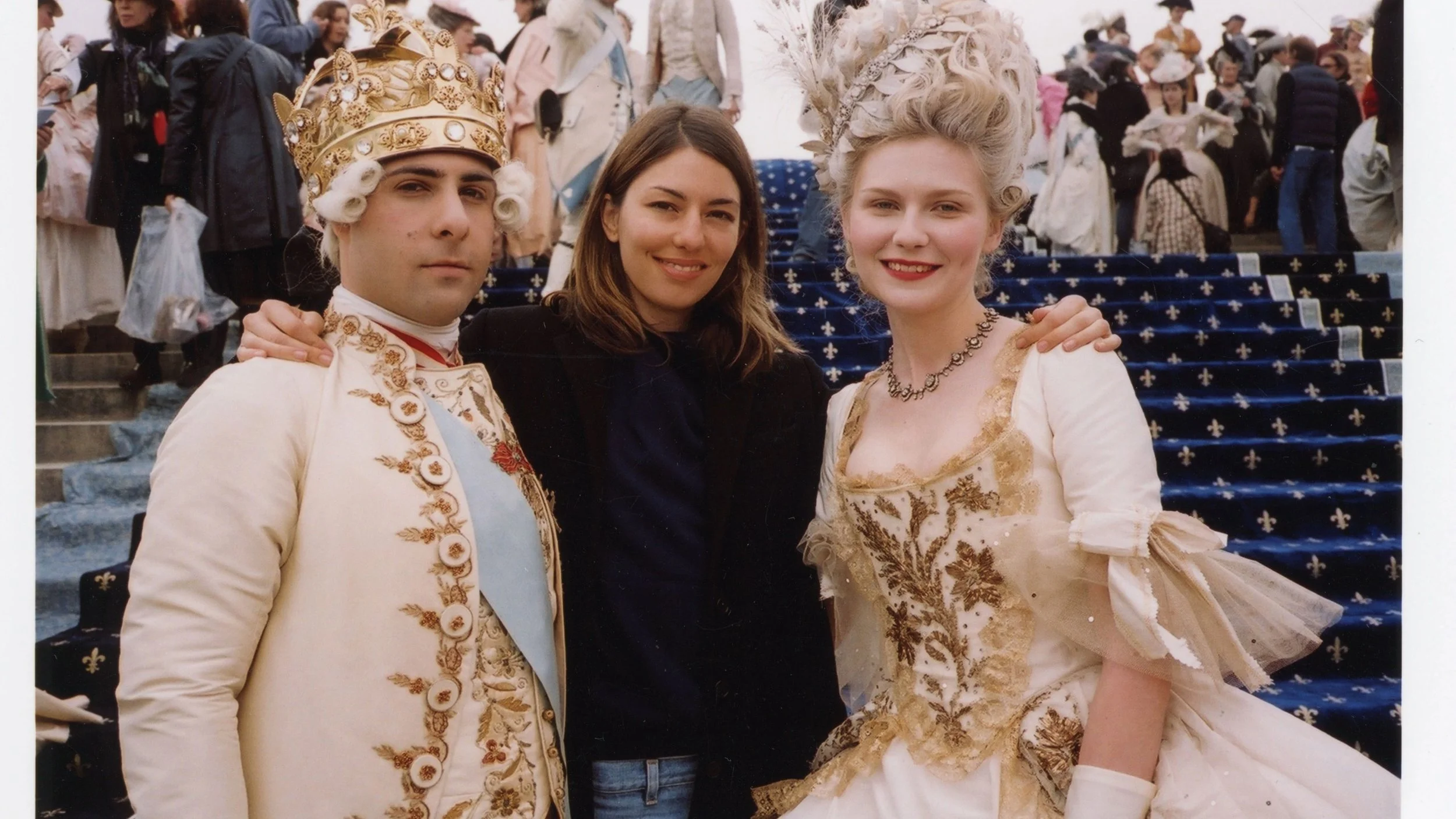
Image copyright (©) Courtesy of Mubi
MPA Rating: Not Rated (NR)
Runtime: 1 Hour and 26 Minutes (86 minutes)
Language: English
Production Companies: Entourage Pictures, Mediawan Rights, Our Films
Distributor: MUBI
Director: Eleanor Coppola
Cast: Sofia Coppola, Kirsten Dunst, Jason Schwartzman, Diane Lane (voice of Eleanor Coppola)
U.S Release Date: October 23, 2026 (Limited Theatrical), November 6, 2026 (MUBI)
In 2005, Eleanor Coppola documented the lengthy on‑location production of Marie Antoinette – the first (and to this day, only) studio feature Sofia Coppola has made. It was the third feature in her career, and her highest-budget undertaking (a $40 million price tag). At the time, it was rare for a woman to helm a movie with a budget over $35 million, unless your name was Nancy Meyers. After becoming the third woman in history nominated for Best Director and the 12th in 76 years to win Best Original Screenplay, Coppola embarked on her passion project.
Through Coppola’s own film camcorder, the doc captures the throes of her shoot, battling the flu in the first few days, scheduling issues, hearing unnecessary input from male A.D.s about her directorial choices (unlike her brother Roman, who gives his sister peace of mind when he arrives as second unit), and making sure the production concludes on schedule and on budget. Threading her vérité footage are journal entries from throughout the production, narrated by a soft-spoken Diane Lane. Eleanor Coppola grapples and reflects on her role as a creative in proximity to her family as the Coppola matriarch, and on the overarching restrictions placed on female filmmakers within the Hollywood industry.
Eleanor turns a making-of into an intimate family portrait.
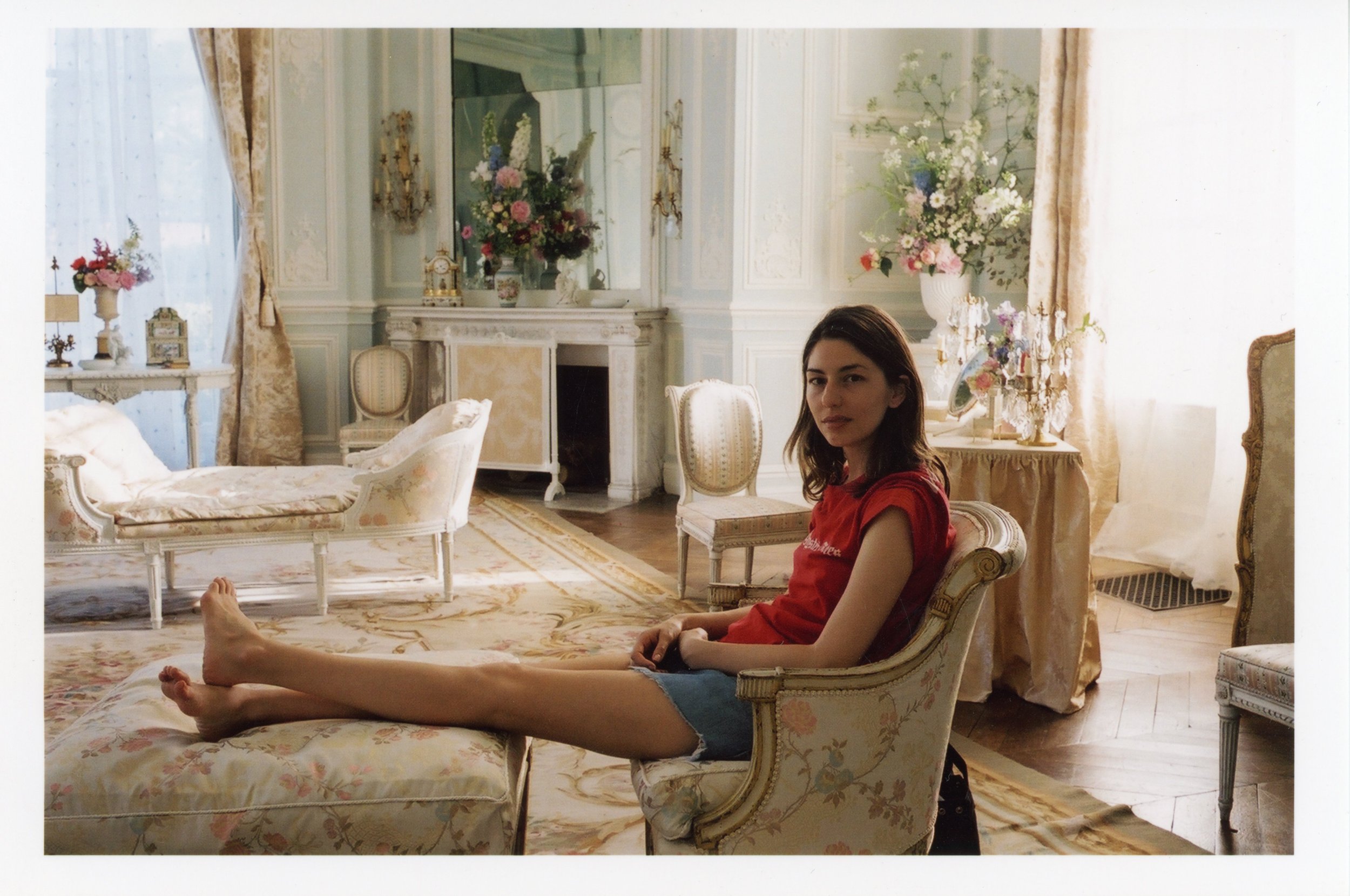
Sofia Coppola in Making Marie Antoinette | Courtesy of Mubi
Alongside editor Aaron Matthews, Coppola compiles countless hours into a thorough personal narrative in an 86-minute runtime. Yes, it’s intended to arrive in conjunction with the 20th-anniversary 4K re-release as a companion piece when streamed on Mubi, but it stands as an isolated piece. Making Marie Antoinette feels like a time capsule, unearthing the industry’s restrictions while balancing a heartfelt mother-daughter love letter.
Eleanor had been capturing BTS footage of the production, so you witness the sincerity on camera with an unwavering “vintage home video filmed by parents” look. Sofia is a force behind the lens, but in Eleanor’s gaze, she naturally transforms into mama’s little girl. Candidly commenting on her concerns and anxiety gives an aura of intimacy, as Sofia was still figuring out her voice given the new expectations.
Eleanor calls herself an observer throughout, and that’s among the film’s best qualities. You’re a fly on the wall but also part of the family as the vérité elements pierce the veil of filmmaking magic. In many ways it feels like the ultimate Coppola family video. You see the delight when Roman arrives on set. Sofia gets a little shy when her then-boyfriend-now-husband, Thomas Mars, arrives for his, well Phoenix’s cameo. Eleanor captures her granddaughter, Gia Coppola, getting her makeup done before her brief masquerade ball scene. The many family members involved factored into Sofia’s comfort and power.
Marie Antoinette’s court wasn’t the only place full of men.

Kirsten Dunst in Making Marie Antoinette | Courtesy of Mubi
The moment with Gia illustrates the microaggressive sexism in the industry, as Coppola is given suggestions for coverage shots from male characters’ perspectives. They question her shot choices and, while she’s confident in her filmmaking, she still hesitates. The sexism persisted, even on her own set. There’s a quiet irony of Coppola being like her titular lead in that regard; though she’s the queen of the castle, she still has to answer to a plethora of men. It explains why I never saw Sofia as a nepo baby because even if she came from a filmmaking family, she still had to experience her own challenges beset by gender.
This aspect also extends to Eleanor’s identity crisis. Tenderly read by Lane, her journal entries reflect on the sacrifices she made by being the art-repressed matriarch. She was on the set of Apocalypse Now with her camera, documenting her husband, Francis Ford, while raising her three kids. Sofia, the youngest, was four at the time. While capturing the next generation of Coppolas in their creative freedom, she reflects on the what-ifs. What if she had pursued her own narrative career? Everyone else did.
There’s plenty of great footage captured for the original film’s fans, one of my favorites being 24-year old Jason Schwartzman stealing the show, acting as a lil scamp every second onscreen; nonchalantly playing the organ between shots, cracking constant jokes, and accidentally ripping his too-tight costume.
Making Marie Antoinette reveals that behind every great filmmaker is someone who believed in them.
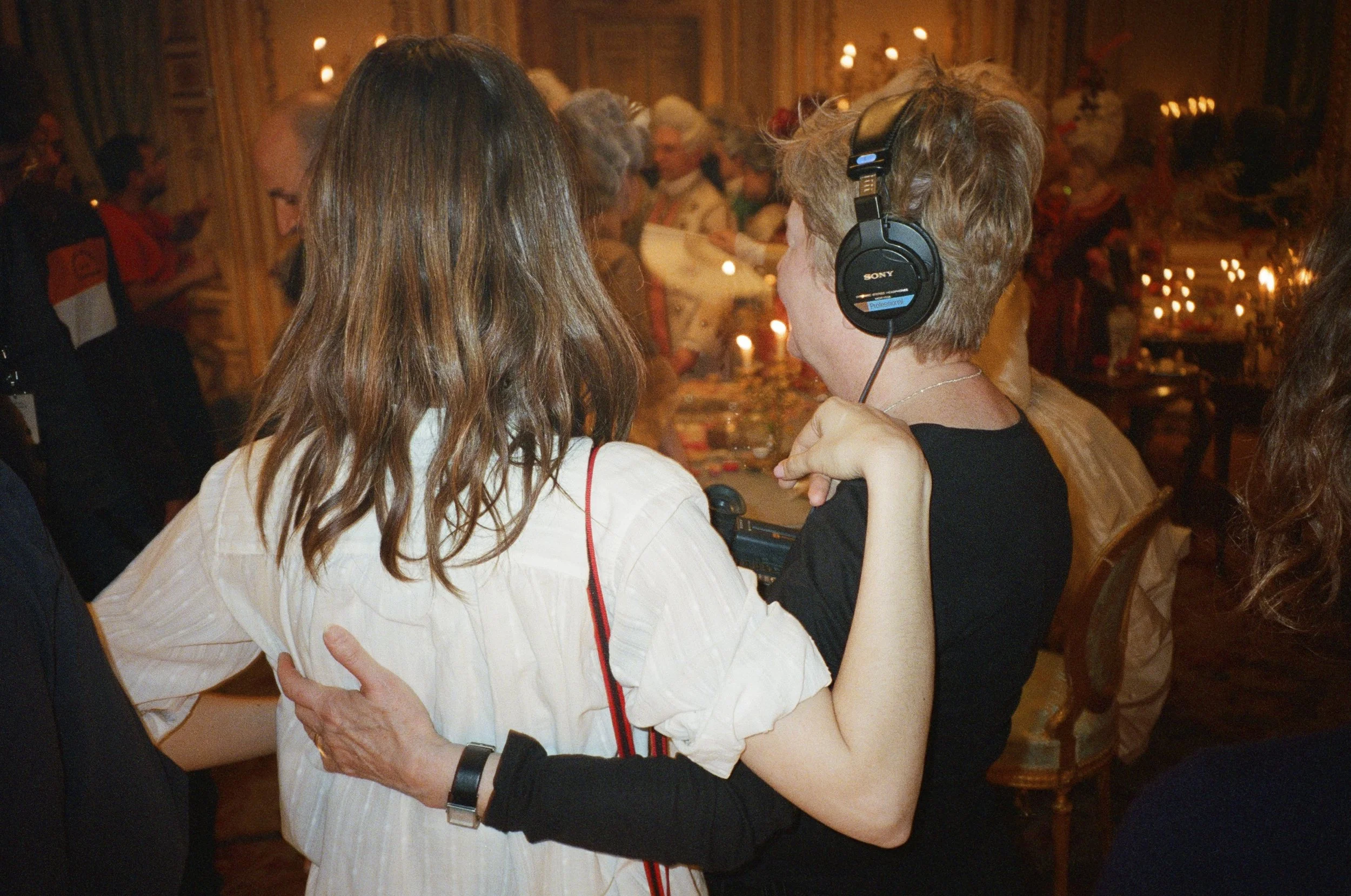
Eleanor and Sofia Coppola in Making Marie Antoinette | Courtesy of Mubi
But above all, Making Marie Antoinette is a tender, loving documentary that shows there’s no greater love on earth than a parent ever so proud of you. Not just your work, but the barriers you broke just to accomplish your dreams and raise the bar, even in an oppressive industry.
Portraits as affectionate and intimate as this hit close to home. I couldn’t stop thinking about how I wouldn’t be where I am in my entertainment journalism career if it weren’t for my late dad. He championed my love for cinema and encouraged me to pursue art at a young age. My first real documentary portrait as a teen over a decade ago was of him at his job. Watching the inverse in this mother-daughter documentary, made with Eleanor’s solo credit, completed as a love letter upon her passing, was deeply affecting to the point I nearly broke down in tears. Her selflessness allowed the next generation to change film history. It’s a reminder that no matter what we do in our creative careers, whether our parents are here or gone, their love and encouragement add to our strength to power through and persevere.
I can’t wait for Sofia to do this for her daughter, Romy, whenever she continues the family trend. The cycle must continue.
