
The eyes of a child are precious to protect. Parents can shield them for so long before the horrors of the world and the real-life monsters within it rear in their side-view mirror. Josephine, a standout Sundance 2026 film and Beth de Araújo's sophomore feature, puts you in the shoes of its titular child protagonist for the first twenty minutes, highlighting the inherent loss of innocence that occurs in real time when witnessing a sexual assault all alone in Golden Gate Park. The film poses the question, what happens after? How does a family deal with the psychological damage from witnessing a shocking crime? Araújo's contemporary-set family drama is a powerful deconstruction of a little girl's psyche as she discovers the agonizing reality and dangers of being a girl in the most heartbreaking manner, all wrapped in a triumphant character study as thoughtful as it is thorough in emotion and story.
MPA Rating: R (for rape, graphic nudity, some language and sexual content.)
Runtime: 2 Hours and 1 Minute (121 minutes)
Language: English
Production Companies: Kaplan Morrison, Vibrato, Kinematics, Spark Features, Free Association
Distributor: Sumerian Pictures
Director: Beth de Araújo
Screenwriter: Beth de Araújo
Cast: Mason Reeves, Channing Tatum, Gemma Chan, Philip Ettinger, Syra McCarthy, Eleanore Pienta, Michael Angelo Covino, Dana Millican
U.S Release Date: November 20, 2026 (Select Theaters), December 4, 2026 (Nationwide)
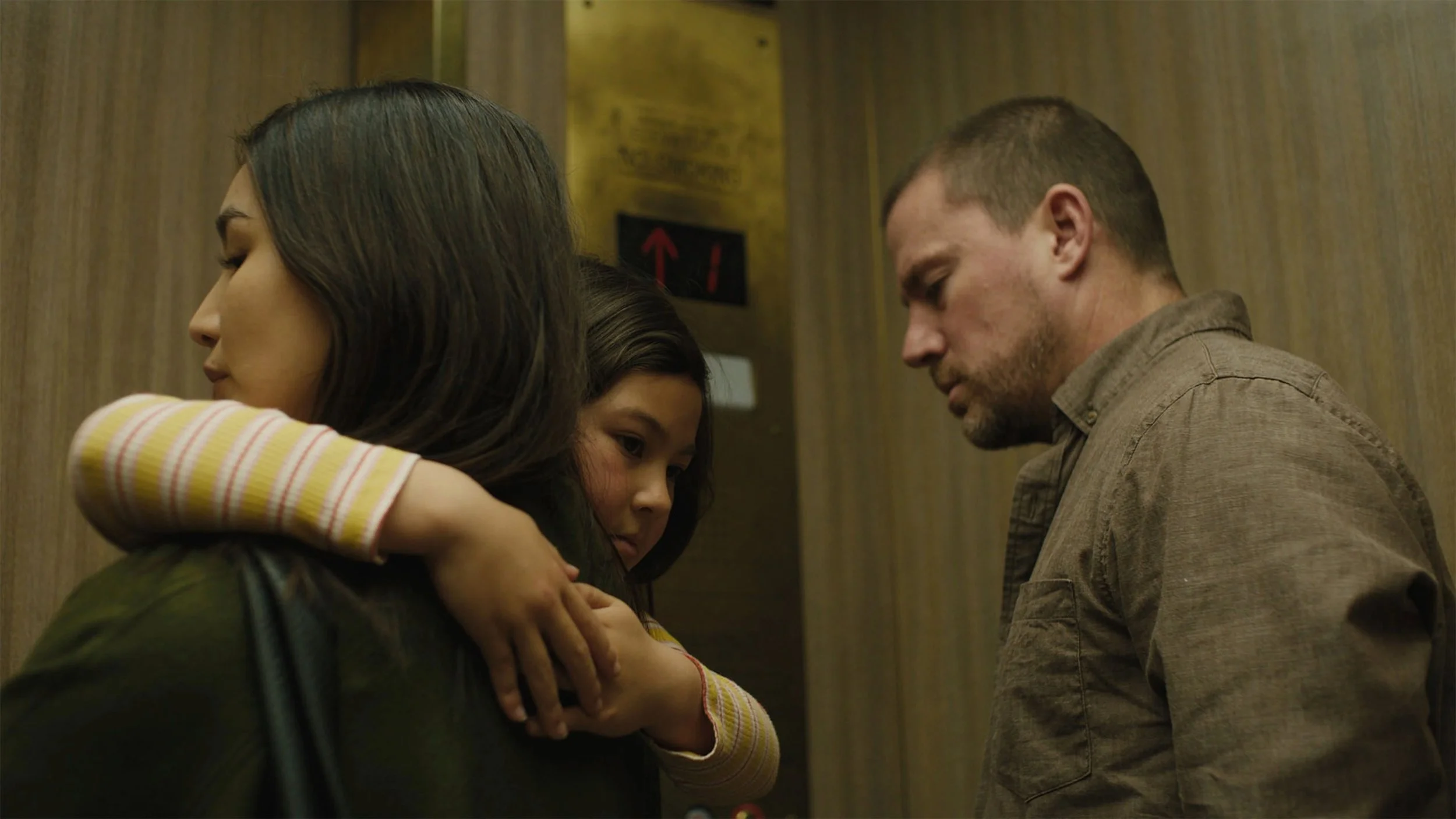
Every morning, athletic 8-year-old Josephine (Mason Reeves) runs and exercises with her similarly sporty dad Damien (Channing Tatum) across their San Francisco hub. But when they get separated during a run in Golden Gate Park, Josephine stumbles onto a woman (Syra McCarthy) getting sexually assaulted by a man (Philip Ettinger). She witnesses the act from beginning to end, frozen in fear, not knowing what to do—what can she do, as a child who doesn't even know what's happening in the first place outside of seeing the woman terrorized in pain? In the nick of time, Damien arrives to chase the rapist down, call police, and put him into custody.
The traumatizing incident sears into Josephine's mindscape, and her disturbed psyche causes her to spiral and act out unlike ever before. Her mom Claire (Gemma Chan) wants her to see a psychiatrist and tries calming verbiage, while Josephine—more of a daddy's girl—sides with Damien, who instead signs her up for self-defense courses to train her to protect herself. When a criminal case unfolds and Josephine is the only key witness, the parents clash in their parenting styles as Claire's softness differs from Damien's blunt assuredness. Nevertheless, Josephine must find her voice and power when it comes to taking the stand, and find a way to heal her pain.
Josephine Captures the devastating aftermath of a childhood shattered.
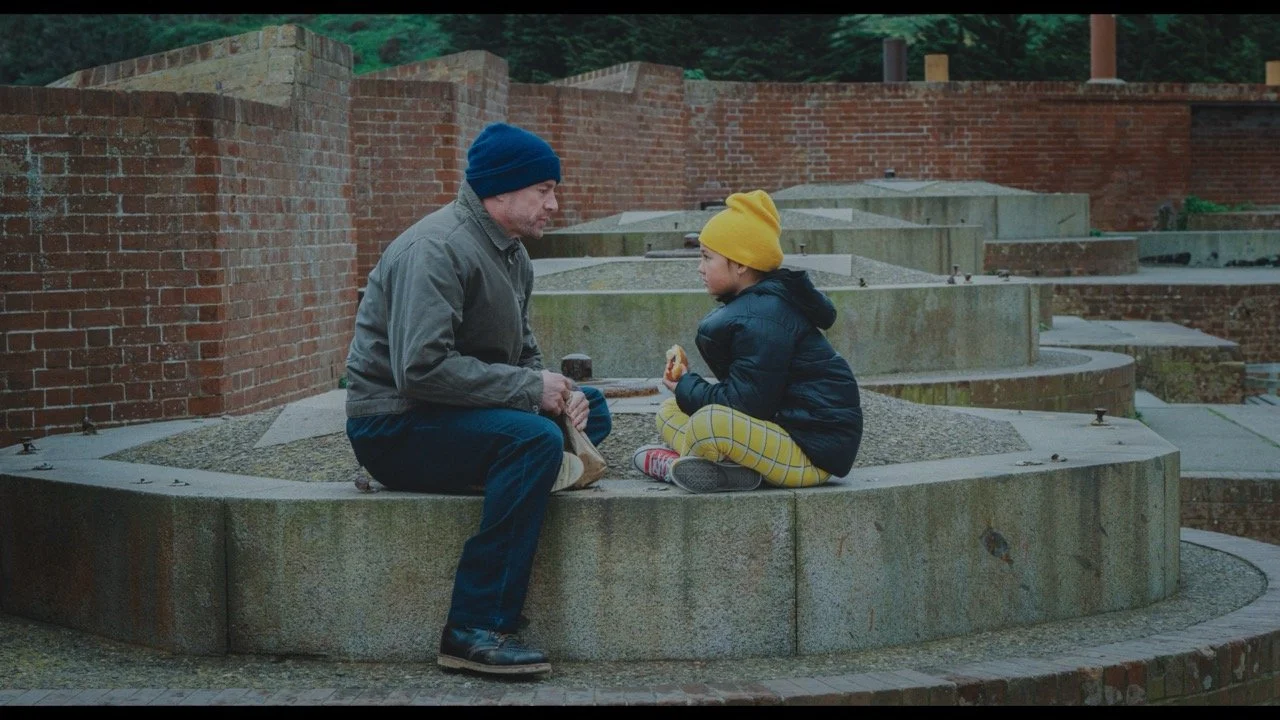
Channing Tatum as Damien and Mason Reese as Josephine in Josephine | Courtesy of Sumerian Pictures
The film’s defining strength is Araújo's child-driven perspective, which fuels the story's emotional throughline. She deploys a personalized framework from the outset, putting you in Josephine’s shoes in intricate detail spanning between perspective shots and low angle closeups (oh, the back pains DP Greta Zozula must have, keeping on Mason Reeves' tiny stature). Through her lens, she exhibits her perception of the world. We're made to be accomplices to her eyewitnessing, especially within the inciting incident's realistic depiction.
I went into Josephine blind (as I usually do with indies), only being recommended throughout the whole year of festival praise. So at my 10 AM press screening, I was rattled to tears as Araújo displays the entire brutally violent assault, keeping you watching alongside Jo. In her gaze, you feel every intrinsic emotion of her innocent loss, like feeling the cracks of her fabric of mind break, a core memory being formed, and like a game character, a HUD signaling, "Josephine WILL remember this."
As the film furthers into Josephine’s disturbed and behavioral spiraling trying to understand the dark-sided aspects of existing as a woman, while still being a little girl, Araújo's script astonishes in characterization. Jo (characterized as her own being, much like the Little Women protagonist) is artistic and sporty. Every form of her behavioral change, such as her violent aggression toward any male, even one forming, is distinct to and in service to her character. Referring to the man in the park, Josephine starts questioning sex, using the terms she just learned in school, and committing disturbing acts of violence toward her classmates. You can feel Araújo personally exorcizing from a place of catharsis from her past through the character. Her introspective and sincere internalizing of guilt, pain, and fear, without losing sight of her age, is trajectoring the story to a powerful direction. Through the heaviness, I’m astounded that the imagery dedicated to capturing her childhood innocence is implemented. Even if it’s tainted. Throughout, Josephine sees the attacker, dressed in the same attire as she saw him in the park, across her personal spaces as an apparitional force akin to a boogeyman.
I lowkey feel bad for actor Philip Ettinger, because his face goes down as one of the most horrific figures of the year. He makes for a simply haunting presence amid the film's tracking and dizzying rotating shots that encapsulate Josephine’s youthfulness.
Mason Reeves delivers one of the year's most gripping child performances.
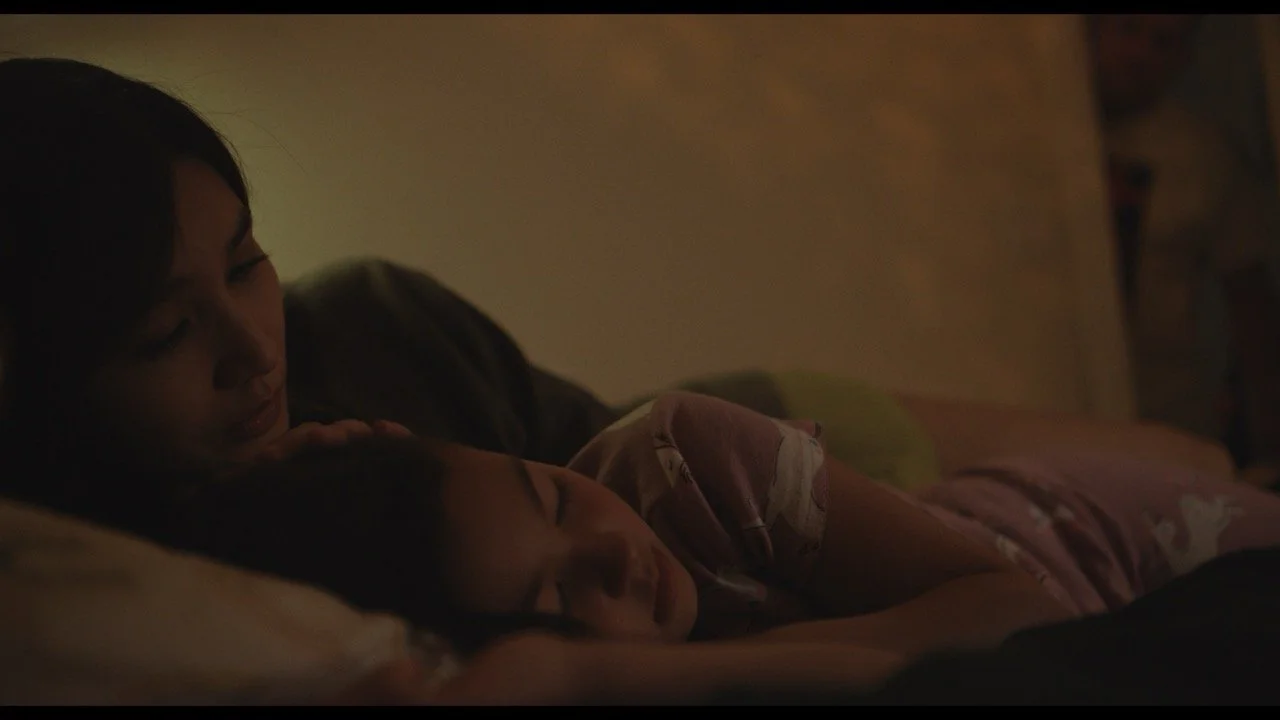
Gemma Chan as Claire and Mason Reese as Josephine in Josephine | Courtesy of Sumerian Pictures
Are we still nominating children for Oscars? Because I haven't seen a child performance as gripping as Mason Reeves's since Quvenzhané Wallis in Beasts of the Southern Wild. As Jo, Reeves embodies a blend of wonder and resilience, and grit that translates perfectly alongside the filmmaker's dictation of the film's lofty tone. Her line deliveries when engaging the subjects, and her chemistry with Tatum and Chan, are simply heartaching. But as the film reaches the darker areas of her psyche, I can't help but feel the complicated terror of her violence—to the point that I'm scared of and for her, and emotionally understand her actions. It also helps that Araújo's writing makes her feel that near pre-pre-teen age: full of curiosity, but still capable of acting out.
Tatum is also remarkable here, applying his inherent charisma through this jockey dad who is both a forceful presence and one who doesn't want to sugarcoat reality. Gemma Chan is equally great in her portrayal of Claire, particularly her heartfelt emotionality with Reeves in approaching the heavy discussions and capturing the polemical parental elements with Tatum. However, the script concentrates more on Damien's relationship with Jo than her, rendering Claire a tad thin. It would have been good for the film if Araújo had tried to take Claire's character to the same level of nuance as Damien’s.
Araújo structures the film with slice-of-life naturalism, shifting through time using jump cuts, but sometimes the story would make jarring timeskips, with certain moments being drawn out longer than necessary.
Beth de Araújo delivers a triumph of empathy without exploiting its subject.
In a conventional indie, a story like Josephine would use its lead as a catalyst to make a larger discussion for sexual violence and paint characters in broad strokes, letting the subject overshadow the story. Given Josephine's story direction turning into a court procedure, it makes me think about the weakness of the Cynthia Erivio-starred Prima Facie adaptation. The potential for the sexual assault subject matter to be taken as seriously as it deserves to be was limited by the heavy-handed depiction of sexual violence conversations, and the devolving into a PSA.
But in this instance, the film's consistency, honesty, and thoughtfulness in its treatment of the subject matter, particularly from the effort of parents' and children's perspectives, should allow viewers the space to engage in conversation about finding justice and solidarity, standing up for survivors in any way they can. Additionally, how to find the right dialect to teach daughters and especially sons about the dark-sidedness of gender inequality. What do I know? I'm not a parent and can't even imagine how one would do so, but I think this is a perfect catalyst for them if they ever need preparation to have heavy conversations with their kids. Josephine echoes the personal aspects of how experience lends itself to nuance, right up there with Sorry, Baby, as something that threads a heavy topic in a powerful and triumphant perspective. In a scene when Josephine finds her power and decides to take the stand wearing her red karate belt symbolizing the power, I nearly melted in tears for her triumph.
Told with thoughtfulness, honesty, and empathy, Josephine is a heavy watch but a must‑see portrait of childhood and the difficult conversations surrounding sexual violence. Beth de Araújo crafts a film that refuses to exploit its subject, anchored by Mason Reeves's career‑defining performance and a commitment to nuance, to hopefully facilitate conversations for parents and children alike.
