
Empire of Light
R: For sexual content, language and brief violence.
Runtime: 1 Hour and 53 Minutes
Production Companies: Neal Street Productions
Distributor: Searchlight Pictures
Director: Sam Mendes
Writer: Sam Mendes
Cast: Olivia Colman, Micheal Ward, Monica Dolan, Tom Brooke, Tanya Moodie, Hannah Onslow, Crystal Clarke, Toby Jones, Colin Firth
Release Date: December 9, 2022
In Theaters Only
Sam Mendes is one of those filmmakers whose hit-or-miss ratio is consistently 50-50. One movie might be a favorite for the year (Skyfall, 1917), and the next is a misfire that either annoys (Spectre) or infuriates me. Empire of Light is the latter.
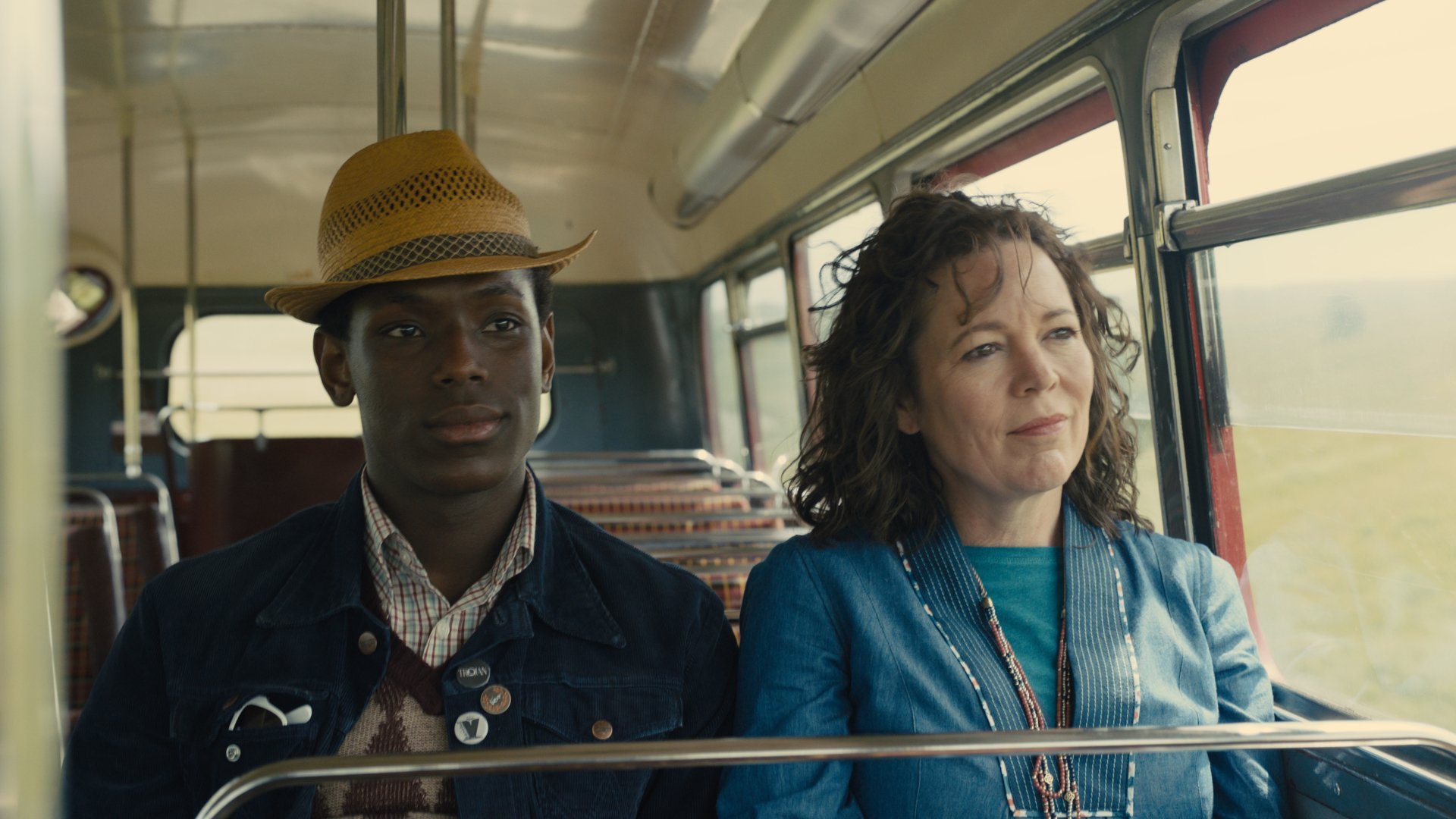
Set in England during the ‘80s, at a cinema by the sea, deputy manager Hilary (Olivia Colman) doesn’t have much of a handle on life. She’s lonely, has a few mental health issues, and doesn’t even watch movies yet works at a movie theater. Her life is thrown for a whirl when a young Black man named Stephen (Micheal Ward) begins working at the theater. The two hit it off and develop a blossoming romance. But because he’s a Black man working at a predominately white theater during a very racist time where skinheads are on the rise, their relationship goes through hurdles that Hilary is frustratingly oblivious to.
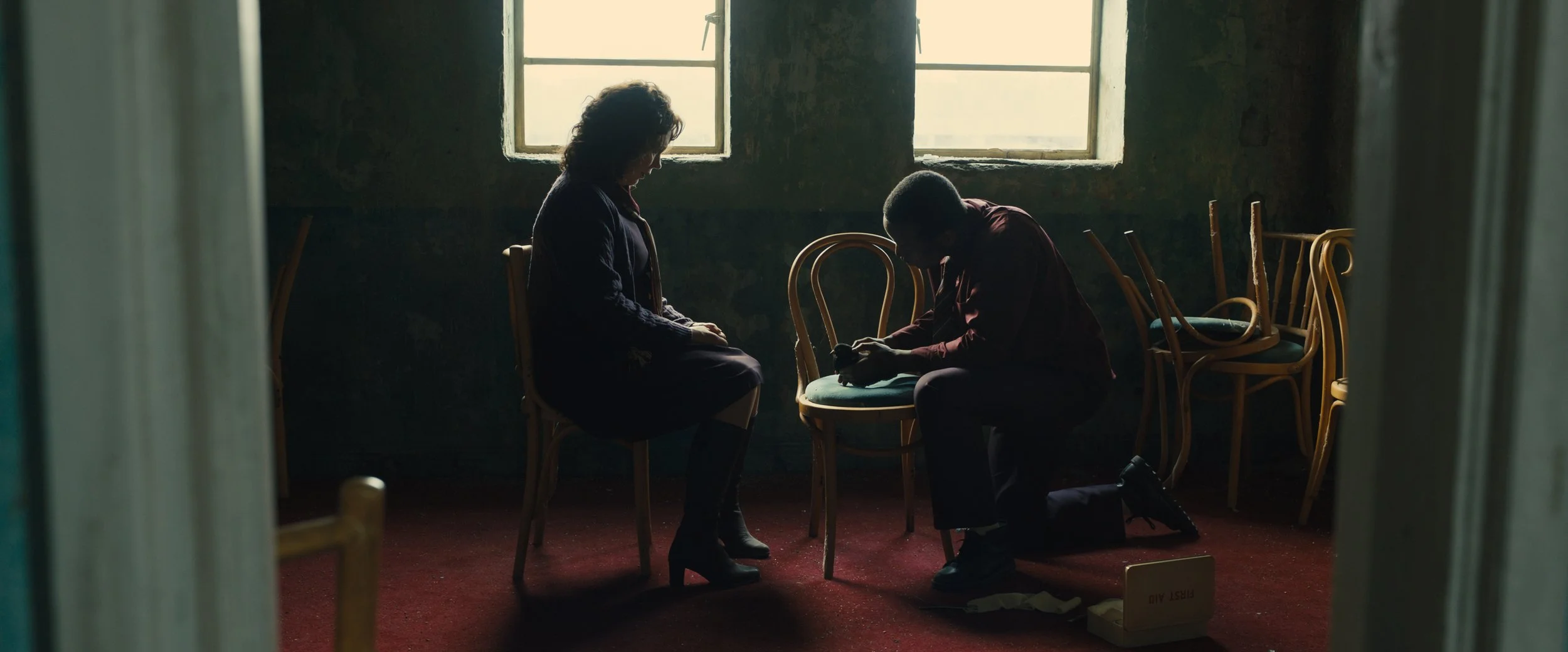
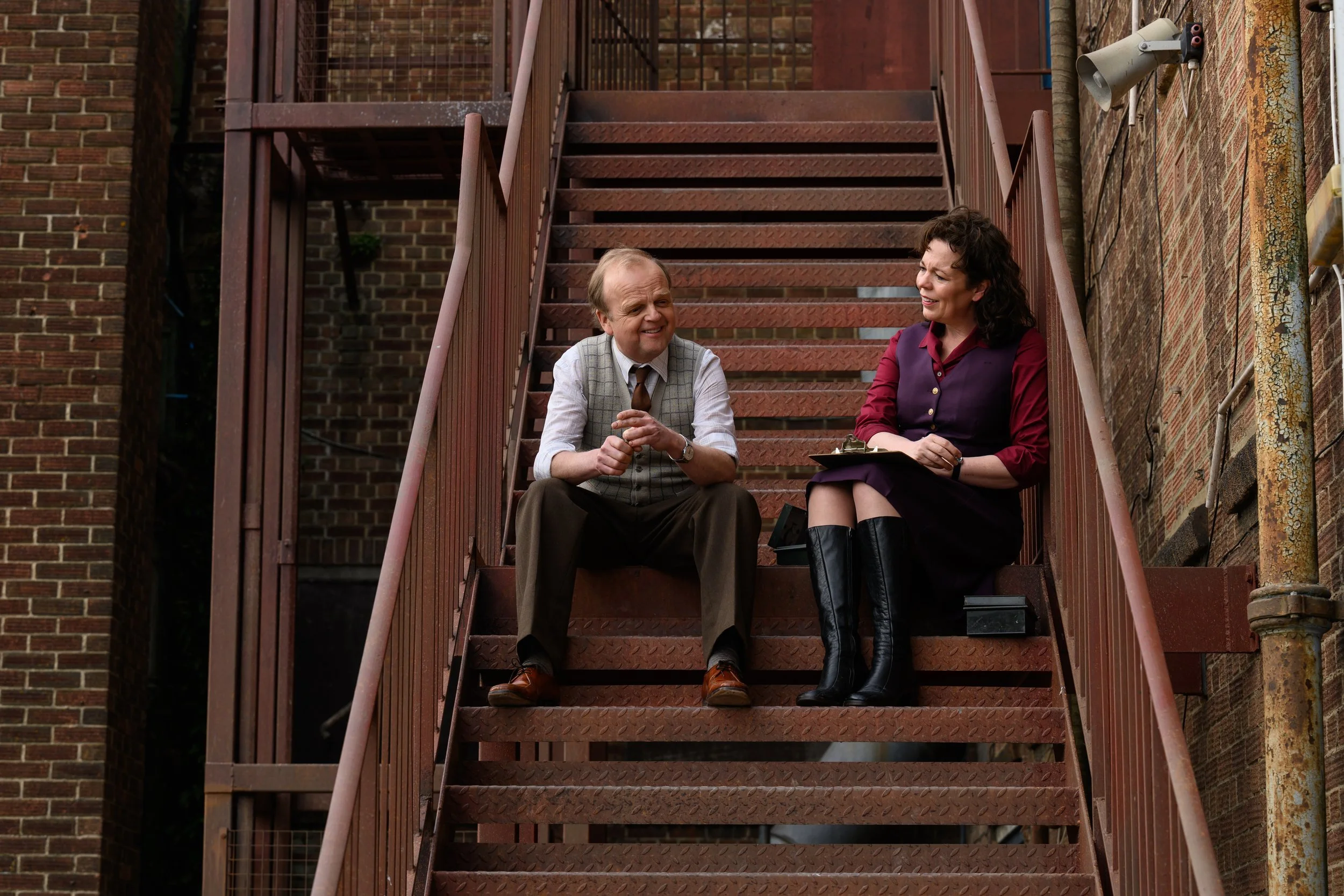
For the first thirty minutes of this film, I adored how Mendes conveyed the relationship between the theater workers. The camaraderie shared between the staff, the history of the theater itself, and the varying character actors were entertaining to follow. Toby Jones plays a projectionist who is also a cinephile, and Colin Firth is the fuckboi manager. Micheal Ward is the endearing newbie. It has a quiet slice-of-life atmosphere as warm as Roger Deakins' cinematography. Through the lens of Deakins’ breathtaking cinematography, this rundown, old-school cinema is a self-contained world where Stephen and Hilary's relationship is sanctified and intimate.
The dynamic between Olivia Colman and Micheal Ward is charming, endearing, and sexy at first. They share sweet sensual gazes, and the tension is well-executed. The way Hilary smiled at Stephen with affection and adoration melted my heart.

Mendes' screenplay sees him stepping onto a soapbox to make an argument about women’s health and racism that he’s not well equipped to handle. He spends much of the film trying to correlate Hilary’s loneliness and mental illnesses to Stephen’s experience as a Black person. Mendes must have little to no Black friends because the way he handles racism is infuriating. There are many scenes where Stephen faces discrimination, and his so-called girlfriend defends his accusers or fails to stand up for him until the story is ready for her to do so. It's not that I wanted Hilary to be a white savior character, but as his boss and lover, there are plenty of moments for her to stand up for him, and she doesn’t. When she does, it's a complete cringefest scene that's masked as empowerment. Poor Stephen is dragged through the mud to the extent that Mendes enters Black trauma territory, incorporating a disturbing sequence of racial violence that had me fuming. In this “white dude trying to discuss racism” movie, he goes full trauma porn and uses Stephen’s beating at the hands of skinheads to progress Hilary’s arc. Hilary herself has an unspoken amount of trauma that isn’t fully contextualized or developed, leaving you in the dark.
Empire reminded me of how Edgar Wright tried to go on his feminist soapbox with Last Night in Soho and missed the mark entirely. That film also had an underdeveloped interracial romance with a bit of Black trauma, for good measure. Empire of Light is a worse version of that. Mendes tries to juggle feminism, racism, and (as a last-minute idea) an ode to cinema. When Empire of Light decides to incorporate movies into a movie about a movie theater, it happens at the most inappropriate moments. Cinema is an afterthought, and if you remove the motif of “the power of cinema,” none of the story would change.
The more I think about Empire of Light, the more it pisses me off. Olivia Colman’s performance and Deakins’ cinematography keep the film afloat, but Black viewers should proceed with caution. If only Sam Mendes had a Black consultant to slap his hand when he wandered into the wrong areas.

