'Babylon' Review: Here's to the Fools Who Dream in the 20s

Babylon
R: Strong and crude sexual content, graphic nudity, bloody violence, drug use, and pervasive language
Runtime: 3 Hours and 12 Minutes
Production Companies: C2 Motion Picture Group, Marc Platt Productions, Wild Chickens Productions, Organism Pictures
Distributor: Paramount Pictures
Director: Damien Chazelle
Writer: Damien Chazelle
Cast: Brad Pitt, Margot Robbie, Diego Calva, Jean Smart, Jovan Adepo, Li Jun Li
Release Date: December 23, 2022
In Theaters Only

A tale of outsized ambition and outrageous excess, Babylon traces the rise and fall of multiple characters during an era of unbridled decadence and depravity in early Hollywood.

In Damien Chazelle’s previous ode to Hollywood, La La Land, Emma Stone sang, “Here’s to the fools who dream.” For his latest Hollywood epic Babylon, Chazelle used that line as the primary motif to explore the heyday of old Hollywood. This time, instead of giving it glitz and glam, he smothers it with grit and grime.
Babylon takes place in the late 1920s during the silent film era of cinema. It centers around Mexican-American assistant Manuel "Manny" Torres (Diego Calva), rambunctious aspiring actress Nellie LaRoy (Margot Robbie), and silent film star Jack Conrad (Brad Pitt). They all want to make movies and have a place amongst the stars. After a long day of hard work, they convene at Conrad’s late-night parties, where chaos (smoking, snorting, fucking, drinking) ensues, but they’re all free to let loose. The film follows these everyday dreamers transitioning from the silent to the talkies. Due to the line blurring between star and suspicious, dangers lurk in the early days of Hollywood.
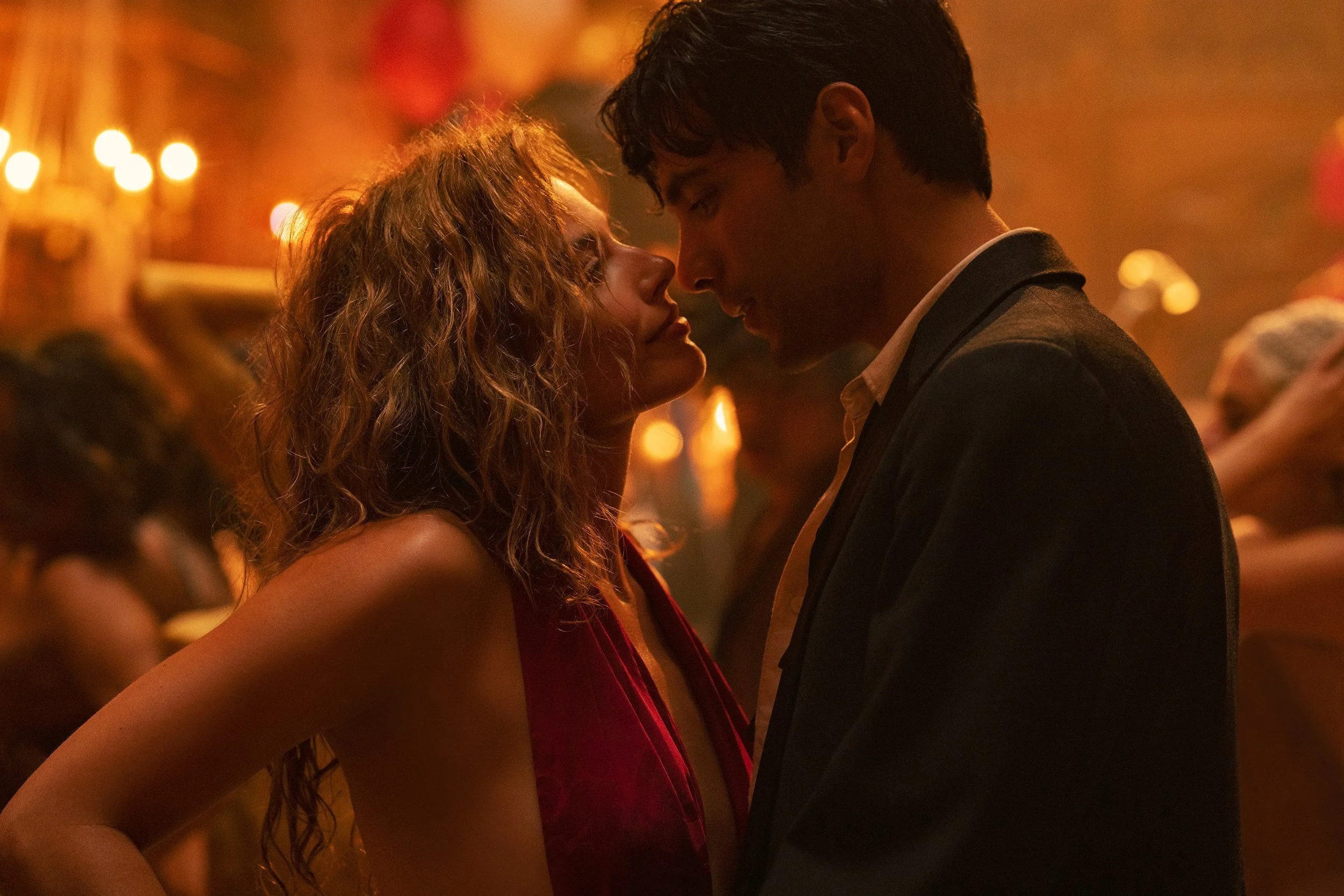
If La La Land represented Chazelle in his high school freshman era, then Babylon is him as a college senior desperate to graduate. The first dozen minutes consist of an elephant shitting on a person and a woman giving a man a golden shower. One might find it quite juvenile, but this is Chazelle without the rose-tinted glasses. His direction is too topsy-turvy for me, but that opening sequence sets this film as his most ambitious project yet. Babylon is at its wildest when Chazelle sets the location at Jack Conrad’s extravagant parties. Watching the numerous attendees sinning on main as Justin Horwitz’s upbeat jazz score—I’ve been bumping to “Voodoo Mama” on my morning strolls, it’s that good—blares in the background. Not a cell phone in sight, just people living in the moment. When that score plays, your eyes and ears receive a jolt of secondhand serotonin that not even caffeine could compete. Chazelle and Horwitz are the best package deal in Hollywood.
Babylon chronicles the workplace lifestyle of these Hollywood heads trying to reach success and fame during one of the most tumultuous transitional periods in history. Most of the story operates as a string of extended vignettes that glances into the lives of Nellie, Manny, and Jack. Jack’s archetype of the veteran actor hanging by a thread of his former glory is overly familiar, and it’s not very enticing. The real meat of Babylon lies within the romance between Nellie and Manny.
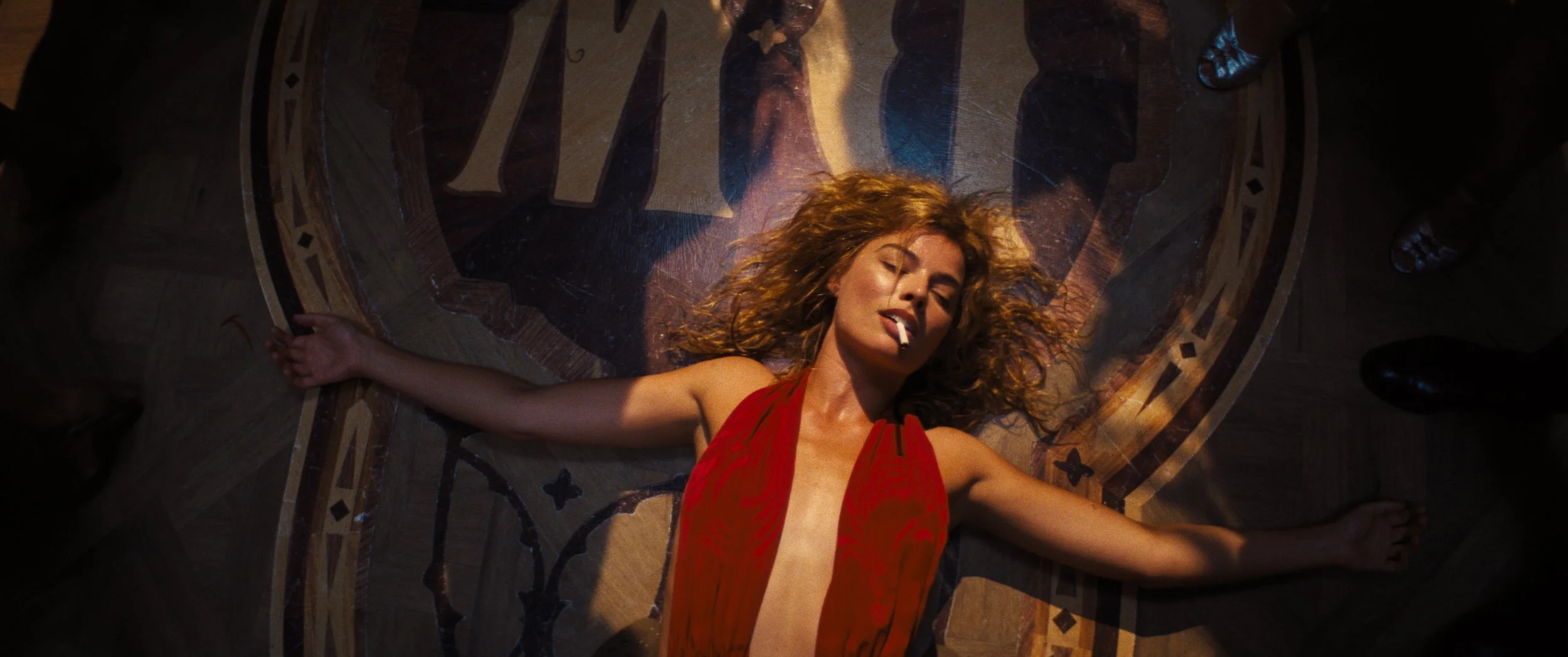
Margot Robbie and Diego Calva are incredible in this film, driving some of the best leading performances of the year. Robbie has become an intoxicating performer, but Nellie is an amalgamation of her previous roles. She has the unapologetic brashness of Harley Quinn, the determination of Tonya Harding, and the femme fatality of Naomi Lapaglia that create a multifaceted character. Her chaotic yet lonely energy contrasts the reserved and hard-working Manny, the embodiment of the American Dream.
Calva has a sturdy, stoic screen presence but wears vulnerability on his sleeve. As Calva’s breakout role, it’s a remarkable showcase of a star in the making. The moments between Robbie and Calva are the true soul of the story, and you feel their growth throughout the film. I also adore how Chazelle develops their relationship, writing a gradual build-up that’s intimate and creates a sense of longing due to their occupations. These two have the best-written arc, with Manny letting the filth of the early-day industry get the better of him.
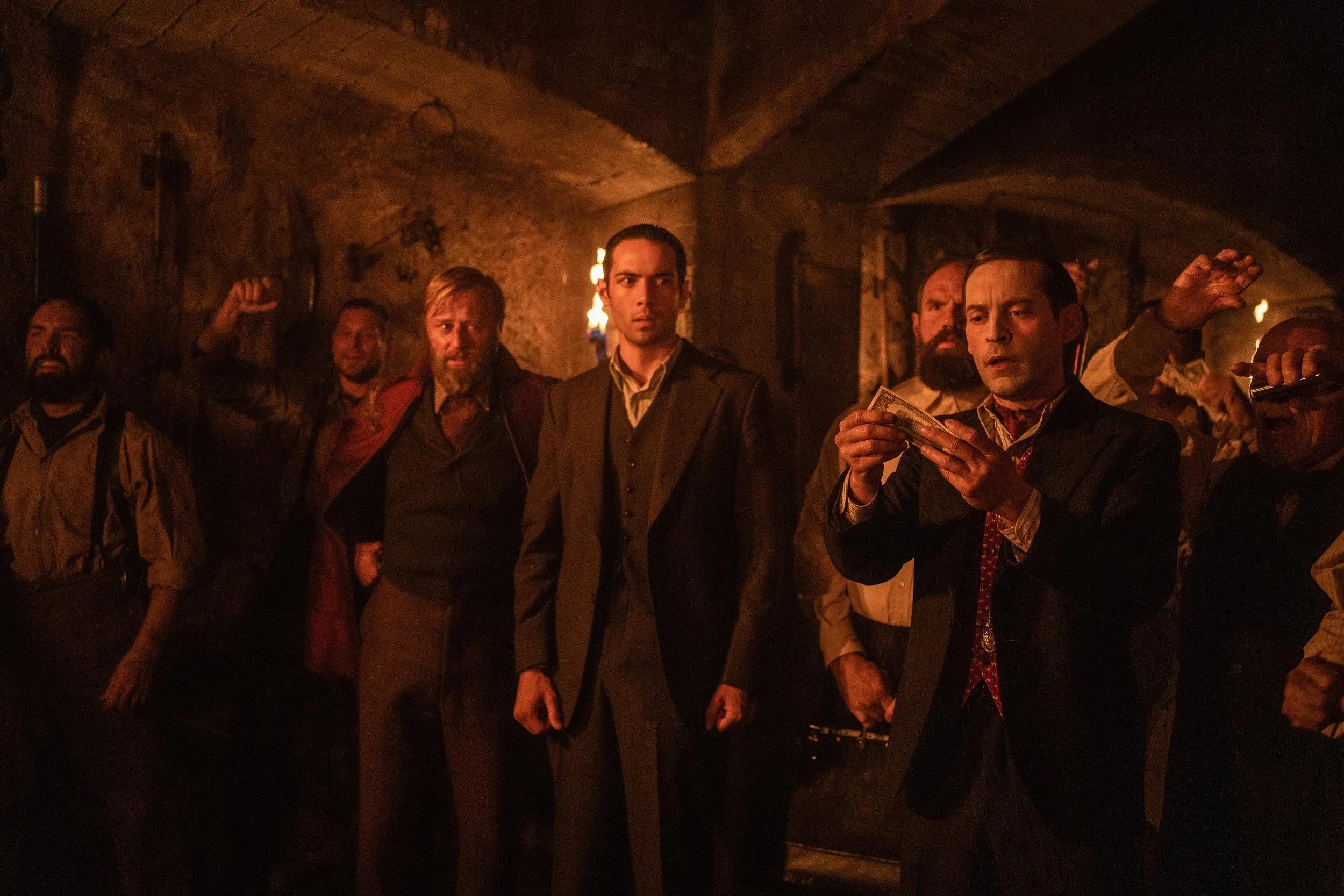
Similar to how the Coen Brothers' Hail, Caesar! was an ode to a specific Hollywood era but with a little less focus, Babylon does the same with the silent/talkie era. That movie has its fans. I ain’t one of them, meaning I wasn’t a big fan of Babylon.

Babylon is Chazelle’s first straightforward comedy project. It intends to capture the comedic facets of a movie studio worker’s zany, hectic, indulgent, and dangerous lifestyle. It has all the pieces to be one of the funniest features of the year, but Chazelle’s direction and screenplay hardly correlate. It’s broad in scope, but its overproduced nature is dampened by under-stylization. Chazelle’s shot composition never matches the comedic stylings of his screenplay, resulting in several intentionally humorous scenes falling flat. He’s fluent in many film genres, but comedy is where he falls short. There’s ONE significant dark comedy sequence that’s top-tier: Nellie’s first talkie shoot day. That scene is where Chazelle’s vision felt wholly realized, with the rest reminding me of Inarritu’s Birdman and Tarantino’s Once Upon a Time in Hollywood, which both had a unique direction that matched the humor.
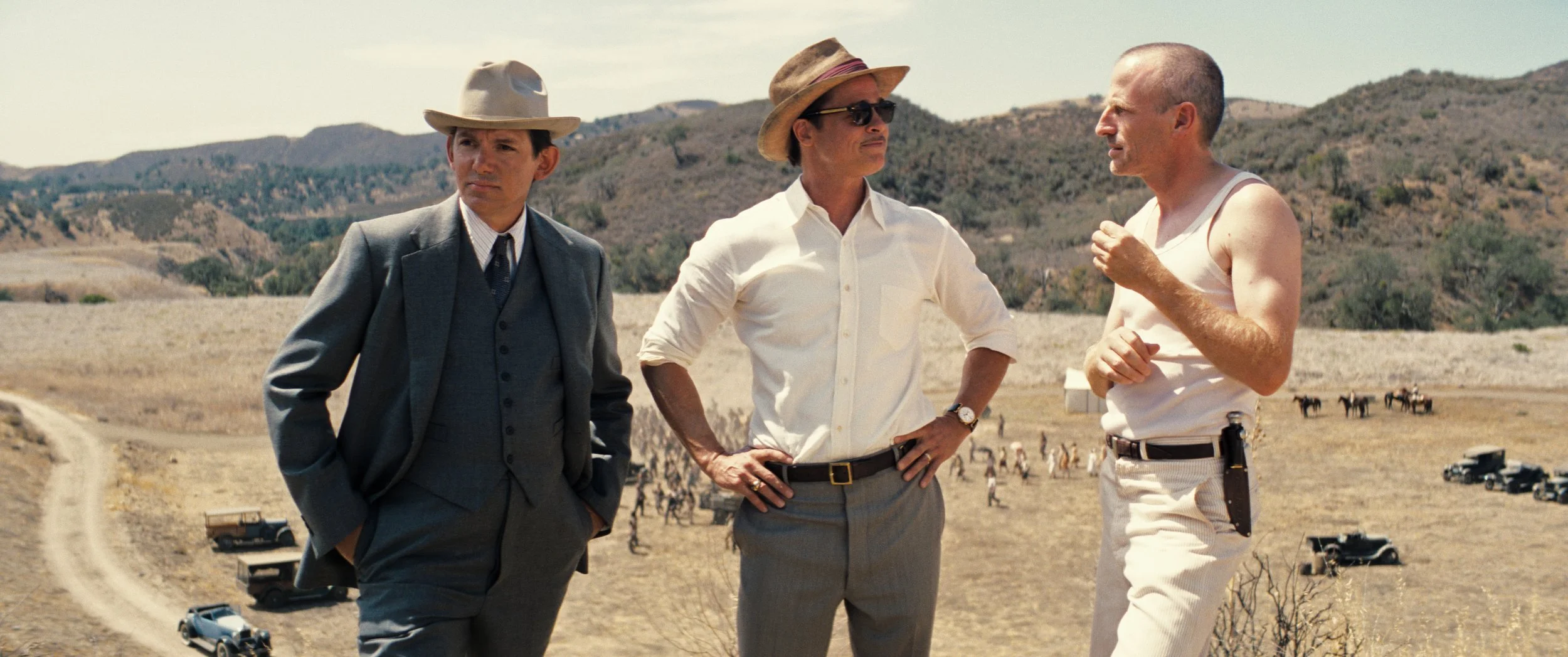
I wasn’t necessarily fond of how Babylon handled the early days of Black cinema. Early in the film, you meet the Duke Ellington-type Sidney Palmer (Jovan Adepo), who plays his trumpet at Jack’s parties. In the second half, talkies were the new wave, and Black cinema was finally making its way—even though Black cinema existed during the silent film era. The film is transparent in depicting the timely discrimination against Black actors of the ‘20s. Adepo’s portrayal of a musician whose endurance gets tested by blatant racism is admirable, but it doesn’t say much. Like the rest of the film, it’s far too direct in showcasing negativity and how classless the movie industry is.

Despite being floored by Diego Calva and Margot Robbie’s performances, Chazelle’s chaotic, dark, and unhinged examination of Hollywood culture during its shift in early cinema hits too many familiar archetypes seen in other Hollywood odes in both writing and direction.