
'Beau is Afraid' Review: Ari Aster's Anxiety-Induced Odyssey has Hilarity but is Ultimately Hollow
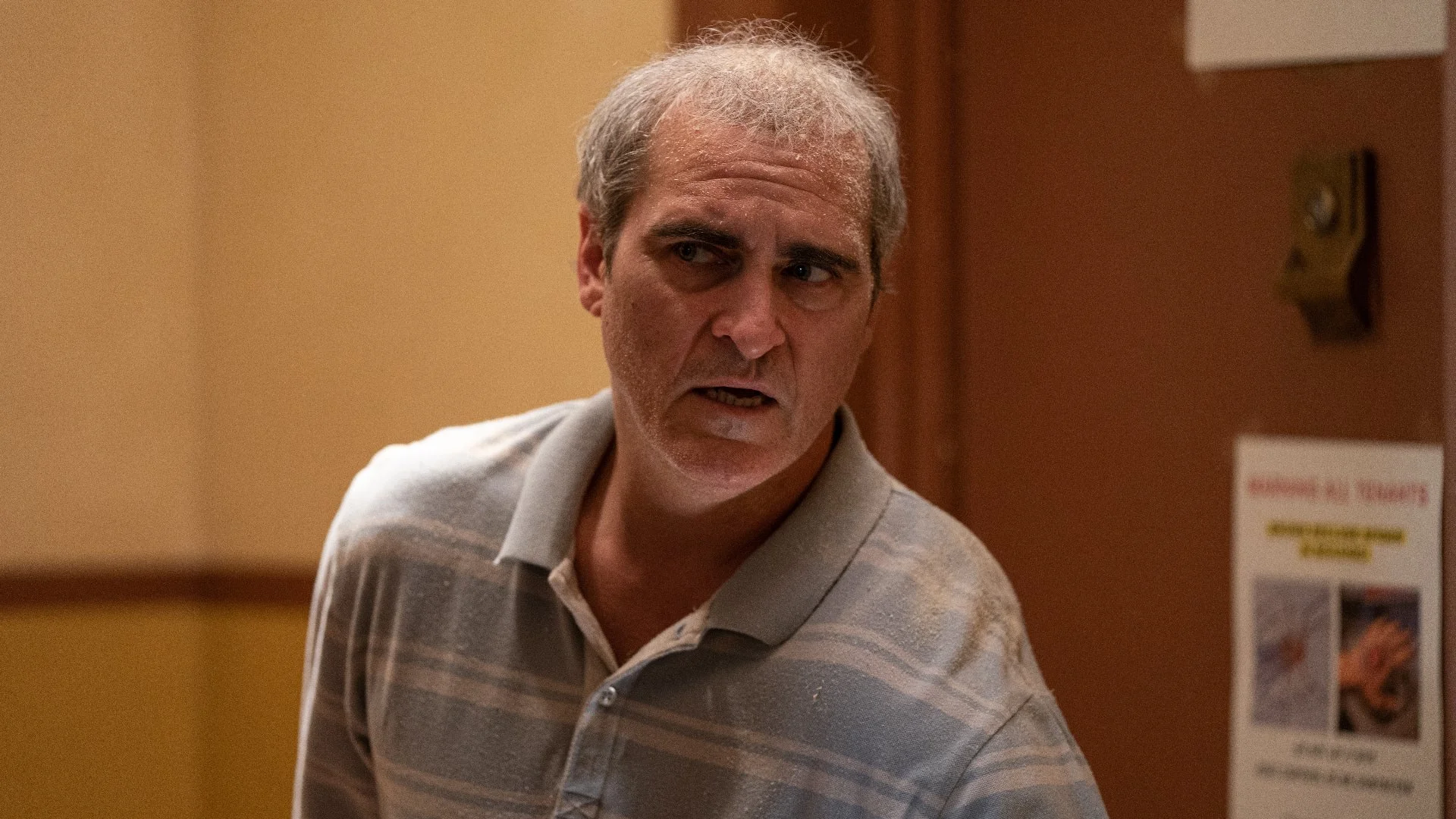
Beau Is Afraid
R: For strong violent content, sexual content, graphic nudity, drug use and language.
Runtime: 2 Hours and 59 Minutes
Production Companies: A24, Square Peg
Distributor: A24
Director: Ari Aster
Writer: Ari Aster
Cast: Joaquin Phoenix, Patti LuPone, Nathan Lane, Amy Ryan, Stephen McKinley Henderson, Parker Posey
Release Date: April 14, 2023
In Theaters Only
Since his 2011 short The Strange Thing About the Johnsons, filmmaker Ari Aster found his specialty in telling visceral and disturbing stories about the most fucked up family dynamics anyone could ever conceive. His debut feature, Hereditary, centralized the effect grief and generational trauma have on a family, but with a supernatural twist. Midsommar focused on the sorrow of someone losing their entire family and finding a cultish new one. His latest tale, Beau Is Afraid, has Aster taking off his horror hat, going fully surrealistic, and asking his audience to cum (yes, you heard me) along with him to work out his mommy issues for about three hours.
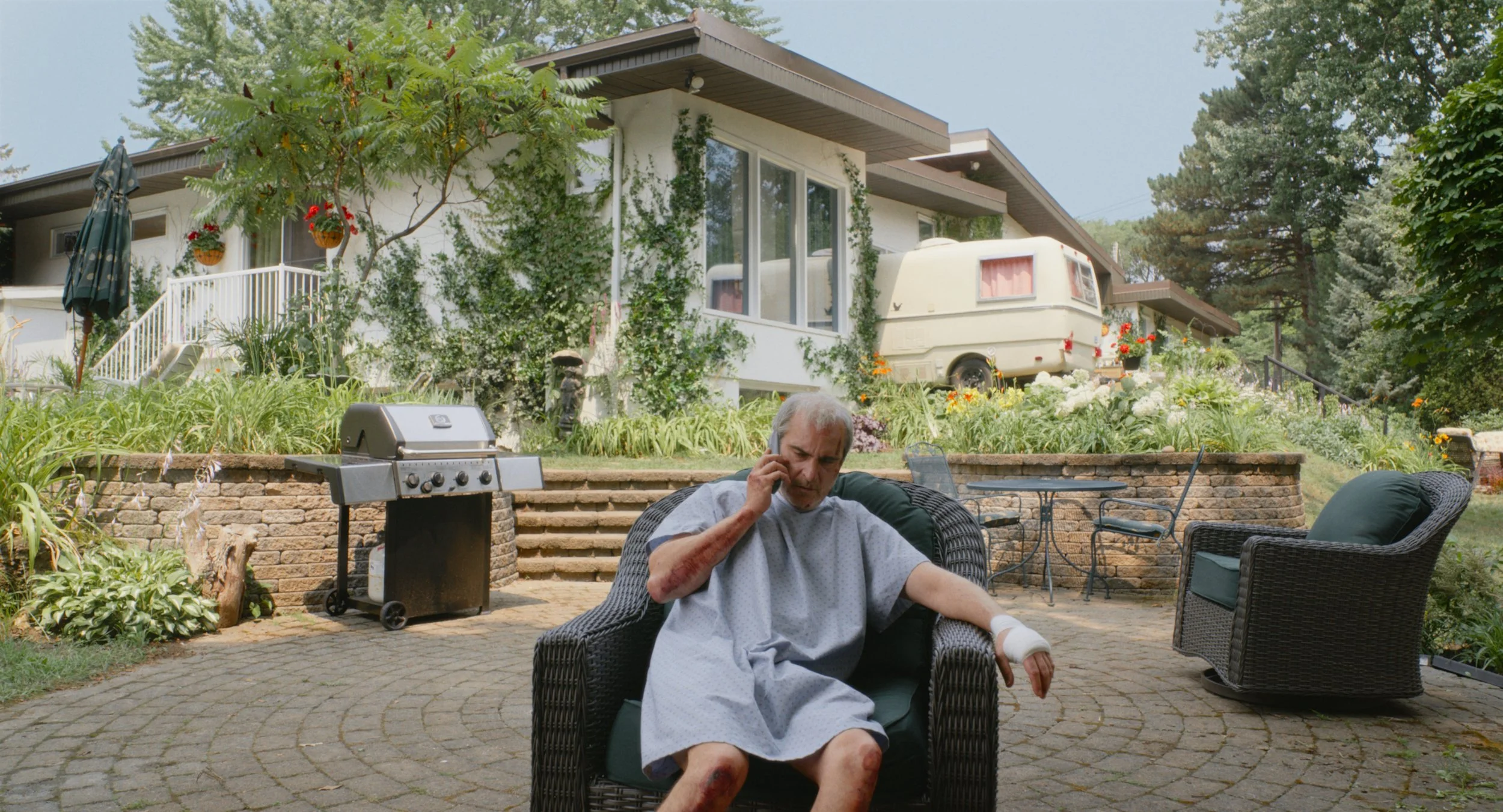
40-something man-child Beau Wassermann (Joaquin Phoenix) leads an anxiety-ridden, isolated life. Living in a colorful Wizard of Oz-like version of Skid Row where chaos, murder, and poverty surrounds him, Beau fears stepping outside his rundown apartment. The only time he can is when he must visit his therapist (Stephen McKinley Henderson), with whom he opens up about his complicated relationship with his overbearing single mother, Mona (Patti LuPone). Beau prepares for a flight to visit his mother. After a series of unfortunate circumstances, he misses the flight, which disappoints his mom. The following day, he learns that his mother has passed, crushed by a chandelier. Per her attorney’s (Richard Kind) request, Beau must trek back home in time to attend his mother’s funeral. The moment he tries to go out the door, a series of chaotic events ensue, preventing him from reaching home in one piece. Beau encounters strange characters throughout his journey, including a friendly, happy-go-lucky surgeon (Nathan Lane), his kind wife (Amy Ryan), their rambunctious daughter (Kylie Rogers), his childhood crush Elaine (Parker Posey), and a forest theater troupe. They all stall him and increase his anxiety in some capacity.
If you ever played the dungeon crawler video game The Binding of Isaac and wanted a Charlie Kaufman-like film adaptation, Beau Is Afraid is for you. For a Jewish filmmaker, this is the most Christian-like biblical story Aster’s ever told. A God challenges Beau to face his inner fears and struggles while making a life-altering trek from point A to point B. Aster crafts a visceral, cartoonish deconstruction of his lead’s traumatizing relationship with his mom. Beau is Afraid is the most visually striking feature the director has released. Throughout Beau’s Odyssey, Aster experiments with stylistic techniques that keep the viewer engaged. The lead pops within the immersive settings that emphasize putting the viewer alongside Beau and the chaos surrounding him. The vibrance of all the backgrounds adds to the film’s animated sensitivity alongside the comic looniness in his adventure.
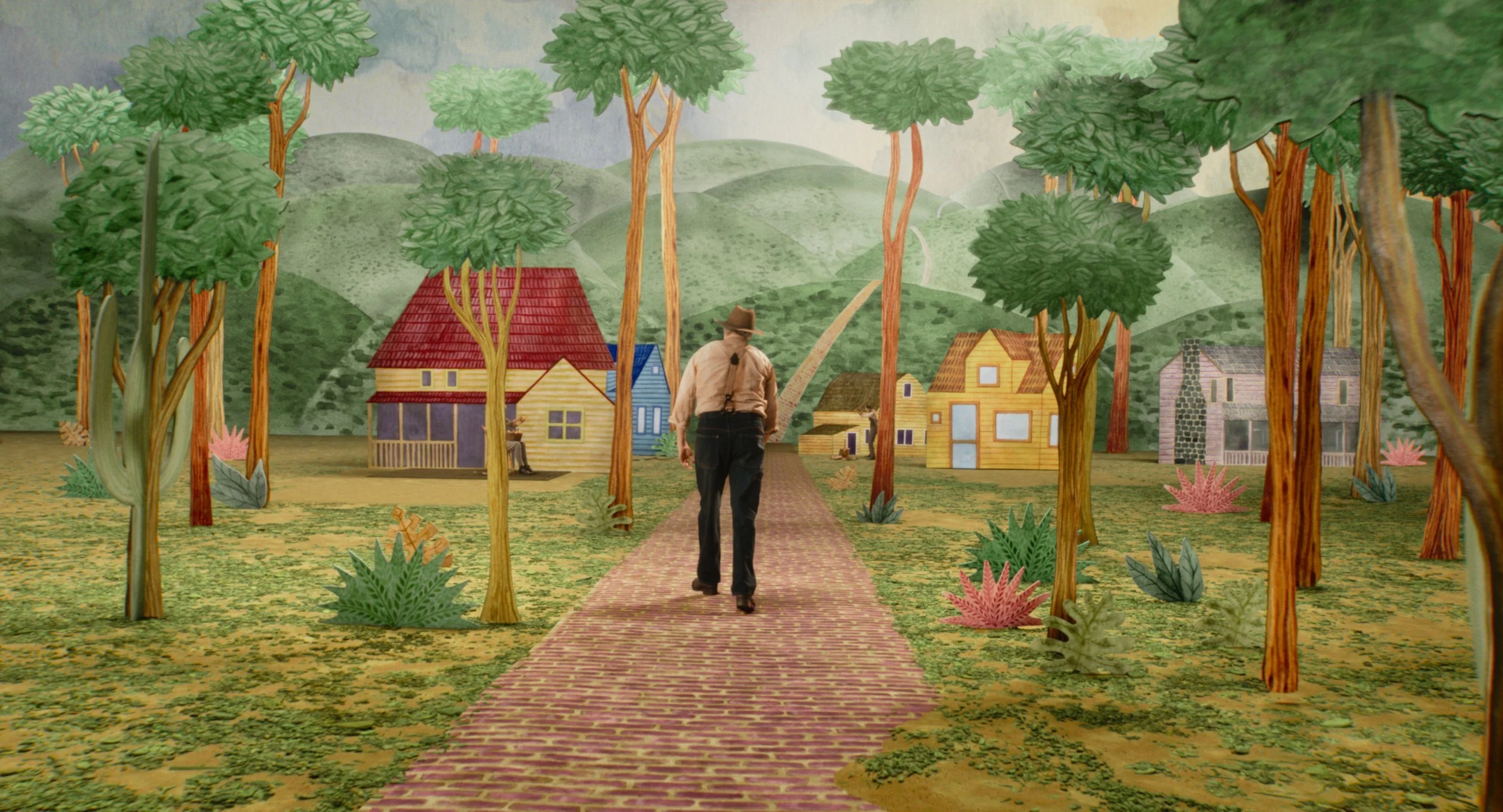
Anyone who knows my animation-obsessed ass can guess my favorite moment is a stylized 2D animated sequence that might as well be a short film in and of itself. Beau witnesses and then self-inserts himself into a poetic theater fable about an aging man stricken with grief. The movie stops to enter an indulgent animation tangent but damn it, the beautiful art and blend between 2D and live action was inviting.
Aster trades his horror exterior to express his unseen comedic sensibilities, which works more than expected. Aster relishes torturing his lead in increasingly disturbing scenarios, constantly being a victim of circumstance, and most of the laughs stem from his absurdism. It fits alongside the range of humor one would expect on Adult Swim’s block.
I was attached to the psychosexual focus and its link to Beau’s anxiety. He reminisces about his complicated childhood where a young Beau (Armen Nahapetian) is persistent about his father’s identity. His mom (Zoe Lister-Jones) adds to his stress by revealing that his father died when Beau was conceived. He also passed down a gene that will kill Beau when he has sex. Whatever bed he fucks on, will also be that deathbed. What Aster does with the sexual angle has no right to be as hilarious as it is.
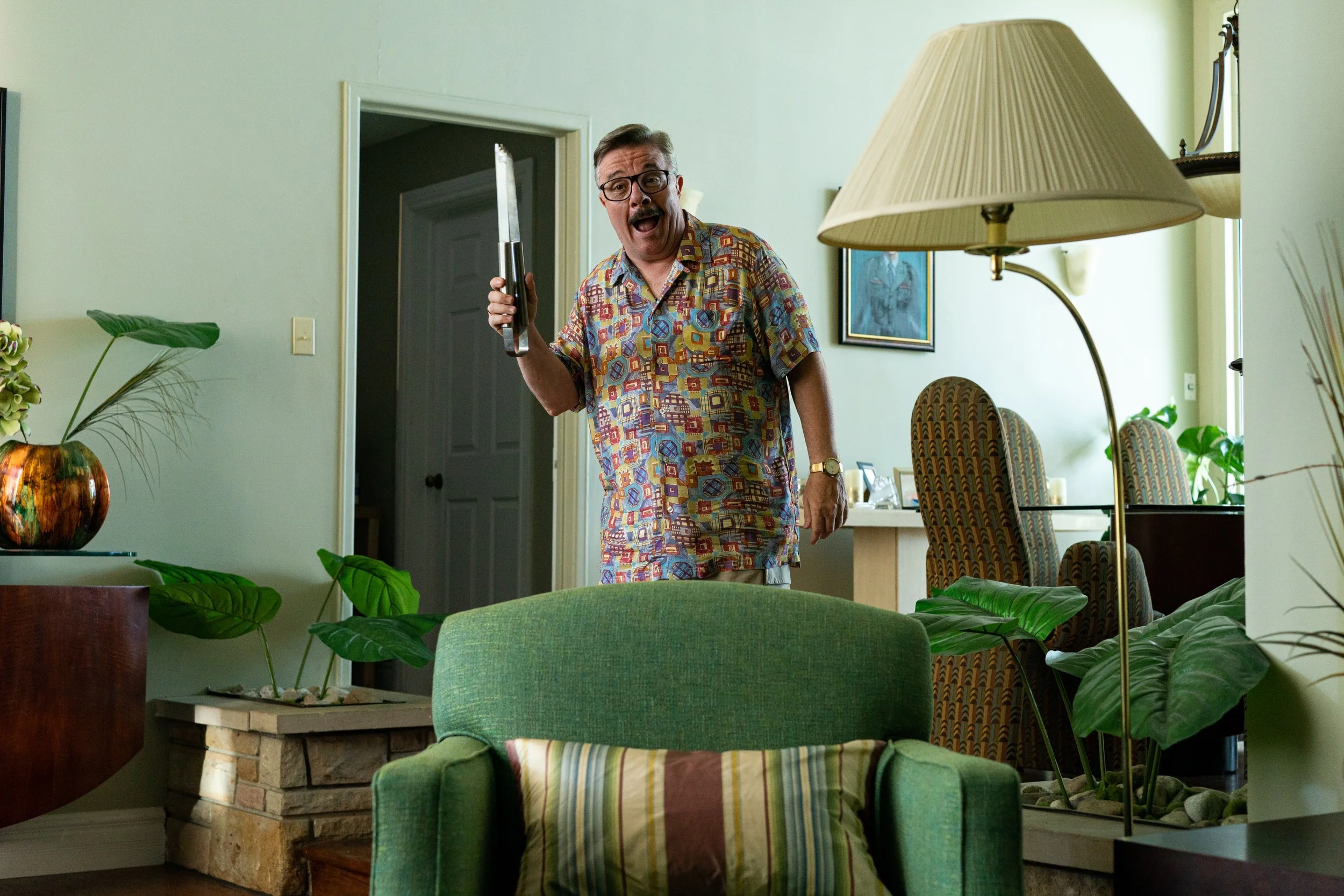
Joaquin Phoenix’s consistent child-like innocence through his line reading and reactionary comic timing is well delivered, as expected from a performer like him. That said, he’s just a vessel of arrested development, a familiar archetype we’ve seen in straightforward comedies. The notable performers who outshine him are the supporting character actors (all from the Broadway scene, oddly enough). Nathan Lane and Amy Ryan instantly put a smile on your face when they show up playing a married couple who shelter Beau after a car accident. A good chunk of the story involves them, and they chew up the scenery with a squeaky-clean upbeat optimism that comically contrasts Beau’s panicky state.
Patti LuPone as Beau’s mother, Mona, serves Oscar-worthy cunt the second she enters the room. She commands the scene with showstopping confidence and intimidation, making the portrait of Beau’s relationship complex. There is a strong illustration of their relationship in a phone conversation they share early on. When Beau misses his flight and must give his mom the unwelcome news, he asks her for advice on what to do, feeling the weight of their codependence on his face and the defeated hesitance in her voice. Patti LuPone does not even need to be onscreen, yet you feel the magnetic power she holds.
I should love Beau Is Afraid with its simplistic adventure plot, psychoanalysis on mommy issues, dark comedy, etc. Somehow, I couldn’t find myself crossing the “love” fence. It was initially difficult for me to angle my negative criticisms. Then, within the same week, I saw (hear me out) Finding Nemo in 35mm. Believe it or not, the two films share similar parallels: a deeply traumatized, anxiety-riddled character makes a perilous journey to reunite with a family member. He comes across eccentric characters who stall or help him progress. Nemo put my thoughts on Beau into perspective.
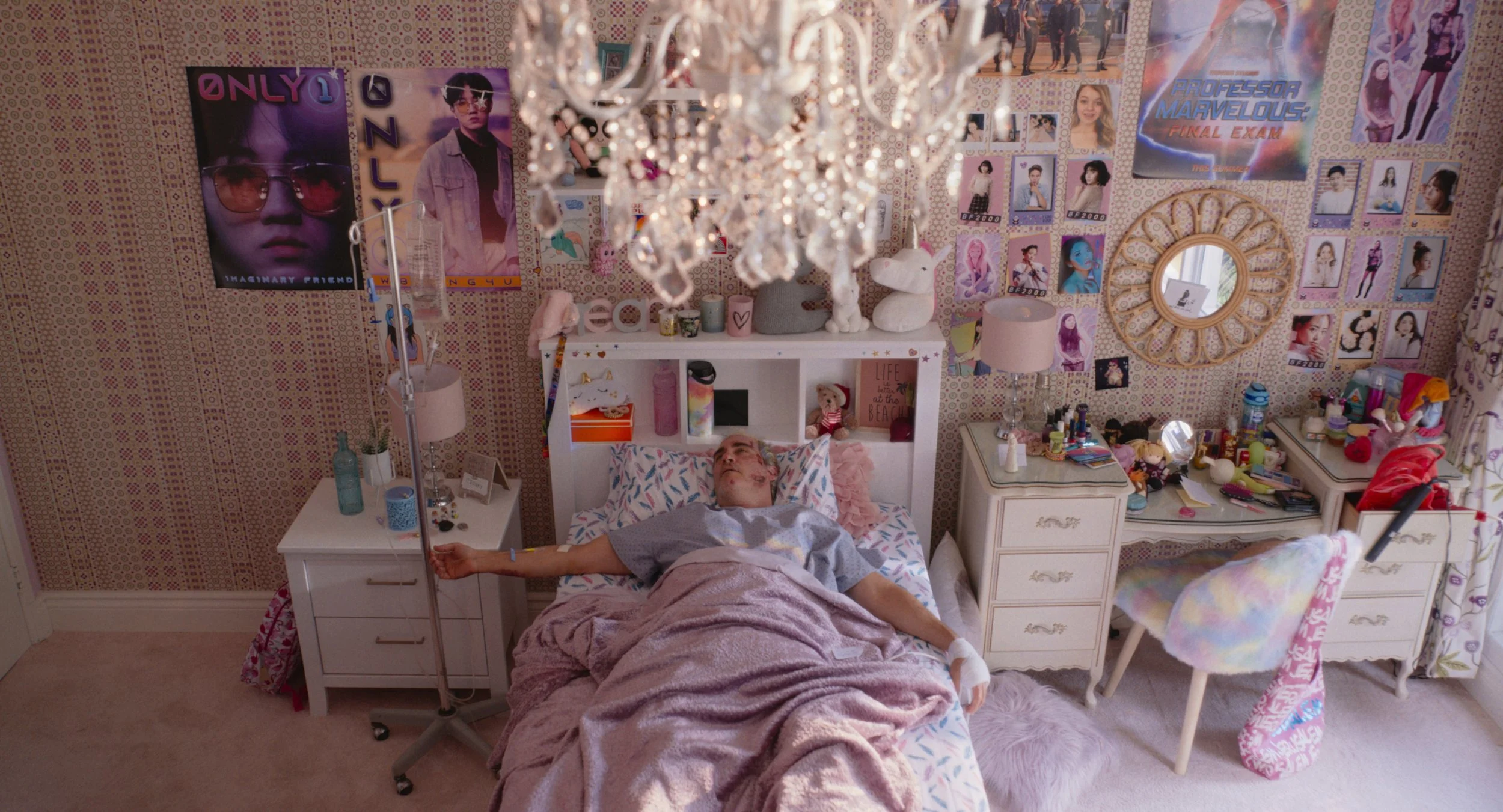
Aster finds a dark glee in actively putting Beau through panicky situations, but the novelty wears off due to the lack of dimension to Beau himself. As aforementioned, he is a vessel of arrested development with no proactivity. The film asks the audience to indulge in its absurdism, which feels hollow due to the lead’s lack of character. You hear him asking, “Wow, isn’t it so funny and #wild that all of these things are happening to Beau?” while Beau is limited to looking like a shocked emoji.
I am not saying Beau should reach a point of character development in the same vein as Marlin in Nemo, but there needs to be a reason for me to feel attached other than him being a victim of circumstance. The story has a pivotal plot twist that might’ve warranted a rewatch. The more I reflect on it, the more I realize that the curveball doesn’t land due to the lack of character. I understand what he’s trying to convey regarding anxiety and studying a man’s source of resentment. By the time it gets interesting, the film is over.
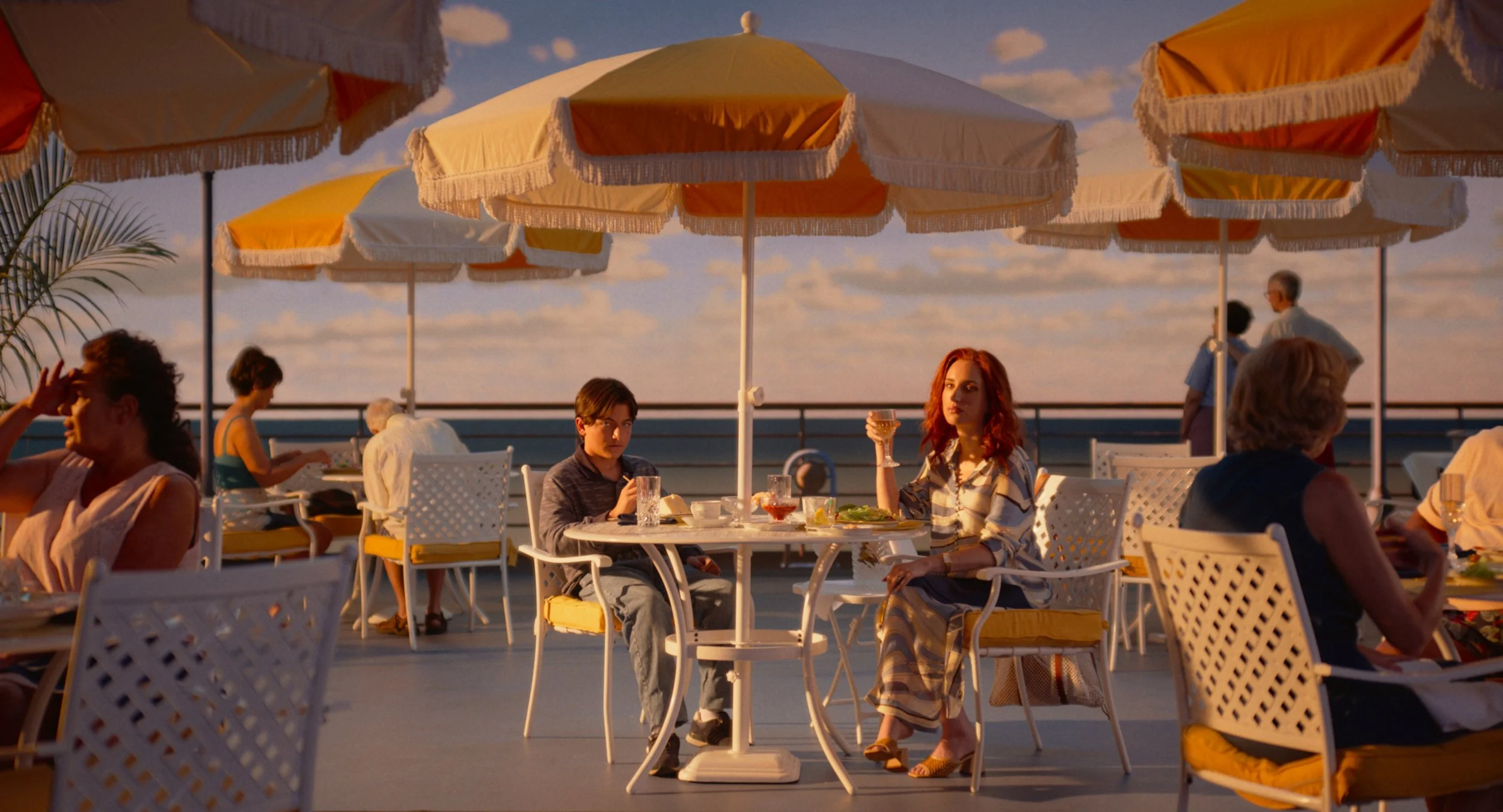
Aster throws all these flashy styles at the wall, jingling its pretty keys in your face but not necessarily doing much with them. While I wasn’t bothered by its extensive runtime due to many things occurring onscreen, the narrative still lacks substance. Aside from illustrating the strange character dynamic he shares with his mother, and his long-term crush Elaine, the dialogue is frustratingly simplistic, acting on the same “everybody is quirky but me” flair.

Beau Is Afraid has Ari Aster experimenting with visceral anxiety-inducing absurdism but lacks character and substance outside of flashiness and shocking humor. It is a hollow portrait of an arrested development that stays arrested despite its epic proportional intent.

