
‘Backrooms’ Review: Kane Parsons’ A24 Horror Nightmare Turns Liminal Spaces Into Pure Dread
“The kids are all right.” That’s what I said following first‑time filmmaker Kane Parsons’ debut Backrooms. Parsons – or Kane Pixels, depending on how chronically online you are – is the latest horror director to jump from YouTube to the big screen. What started with a 2019 4chan post that he turned into a viral web series has now made him the youngest director to helm an A24 feature. Though you might scoff, his Backrooms will make you develop kenophobia. It’s a haunting, atmospheric experience that left me slack-jawed that a kid made an A24 movie of this quality before legal drinking age. In terms of new-age fresh, analog indie horror innovation, this is the equivalent of Gen-Z getting their own The Blair Witch Project.
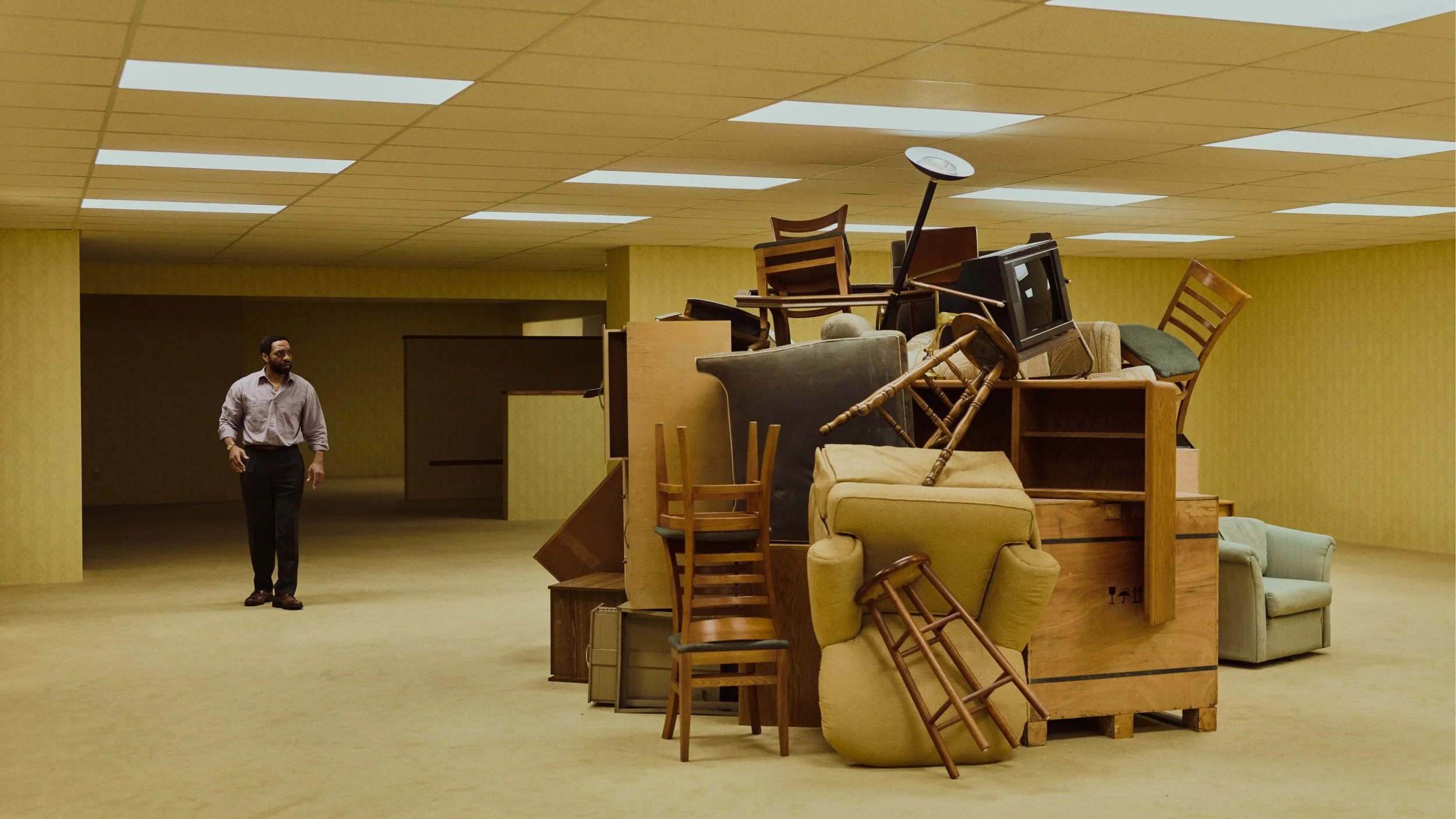
Image copyright (©) Courtesy of A24
MPA Rating: R (for language and some violent content/bloody images.)
Runtime: 1 Hour and 45 Minutes (105 minutes)
Language: English
Production Companies: A24, Atomic Monster, Chernin Entertainment, 21 Laps Entertainment
Distributor: A24
Director: Kane Parsons
Screenwriter: Will Soodik
Cast: Chiwetel Ejiofor, Renate Reinsve, Mark Duplass, Finn Bennett, Lukita Maxwell, Avan Jogia
U.S Release Date: May 29, 2026
In 1990, Clark (Chiwetel Ejiofor), manager of Cap’n Clark’s Ottoman Empire furniture store, is having the worst time. He’s a failed architect, his wife kicked him out, and now he lives in the store. His only confidant is his therapist, Dr. Mary Kline (Renate Reinsve). When the lights start flickering, he investigates the basement and finds a portal, or “null zone,” to a chartreuse, chevron-wallpapered mirror dimension. What starts with one long corridor turns into a never-ending labyrinth of sand-colored floors with materials fused into the ground, and furniture merged into bizarre hybrids. Each door Clark goes through resembles reality in a warped way. He returns to reality to tell everyone – Mary, his cameraman employee Bobby (Finn Bennett), and Bobby's girlfriend Kat (Lukita Maxwell) – but no one believes him. Eventually, Clark goes missing. Mary, dealing with her own demons, enters the null zone herself to find him.
Kane Parsons turns liminal horror into pure cinematic immersion.
Renate Reinsve Credit: Courtesy of A24
The creepypasta generation now has the aux. With Backrooms, Kane Parsons translates the feeling into a cinematic lens, showcasing astounding attention to craft in atmosphere and production. This is a product of someone’s blurred line between passion and obsession for liminal spaces, which becomes a reality as he visualizes the hell out of aura farming and sheer discomfort in every facet.
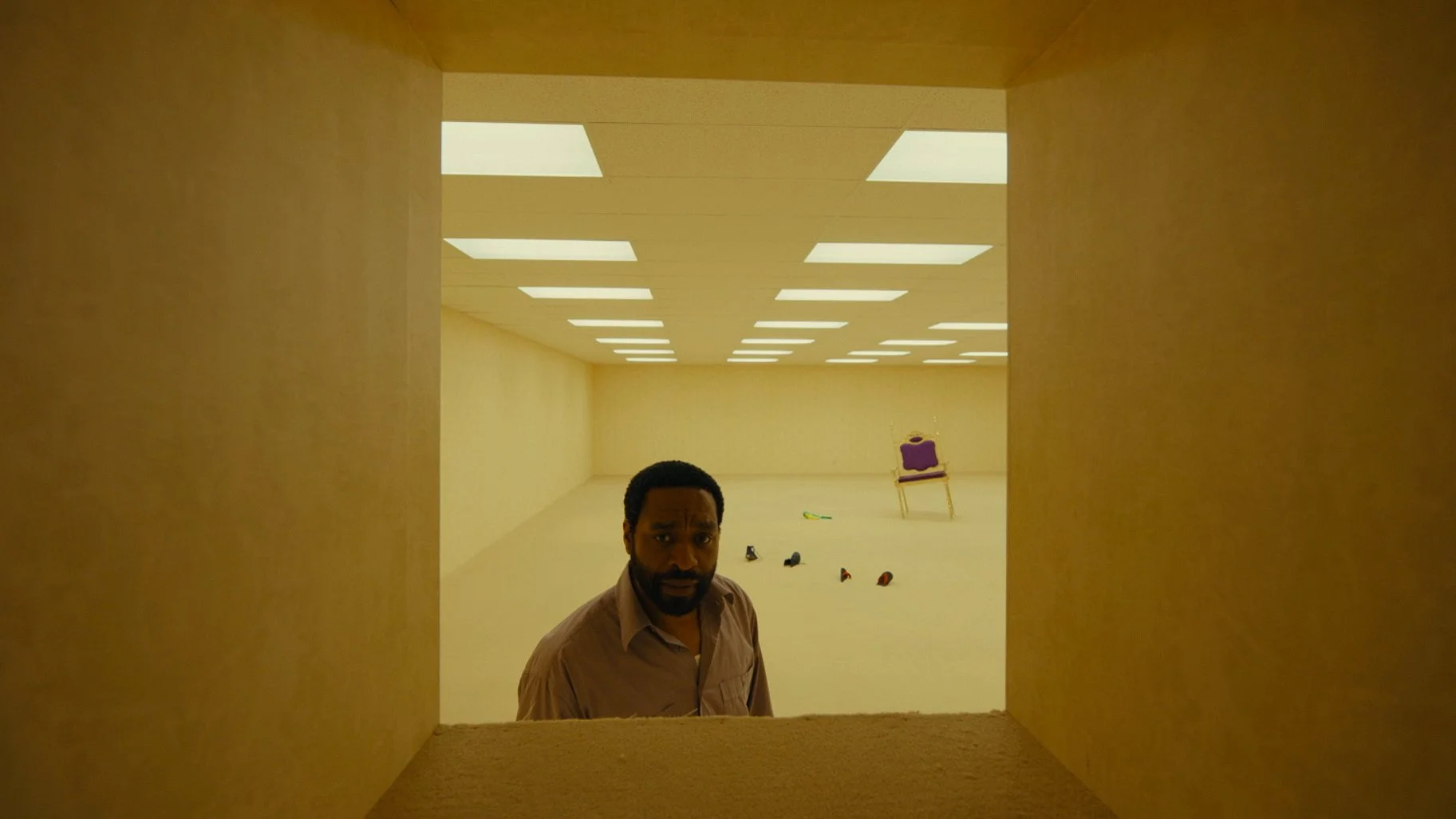
Backrooms bears an unsettling soundscape where it feels like you’re entering a honey mustard-colored office space from hell. Low buzzing sounds from the overhead lights are one thing, but the faint, echoed moans or squeaks add a chilling nature. Jeremy Cox, oscillating between traditional filmmaking and found-footage style, finds a potent balance while showcasing the production and its 30,000 square feet of built stages and sets. They all add a level of discomfort with the isolation, expunging your desire for exploration. Production designer Danny Vermette and the set-decorating team's level of detail anchor the production. Each room is distinct in layout and decor, each more dark-sided yet visually enchanting than the last. It’s viscerally immersive with the way you’re attached to Clark’s curiosity. This might be the first time in a while that a horror film has made its audience go, “Oh, what's in that door over there?” rather than, “Get the fuck out of there!” Backroom’s traversal elements across the narratives’ first reel or so are the equivalent of exploring Peach’s Castle in Mario 64 and getting lost in the geometric interior design in each room, along with the breathtaking majesty of Monsters, Inc.’s climax. Some rooms resemble a hallway, only for the next door to turn into a backroom version of a suburb, where residential properties exist in this honey mustard-colored liminal space. The production design might be the most engaging I’ve seen put to indie horror in quite some time.
Backrooms turns post-COVID alienation into nightmare fuel.
Chiwetel Ejiofor Credit: Courtesy of A24
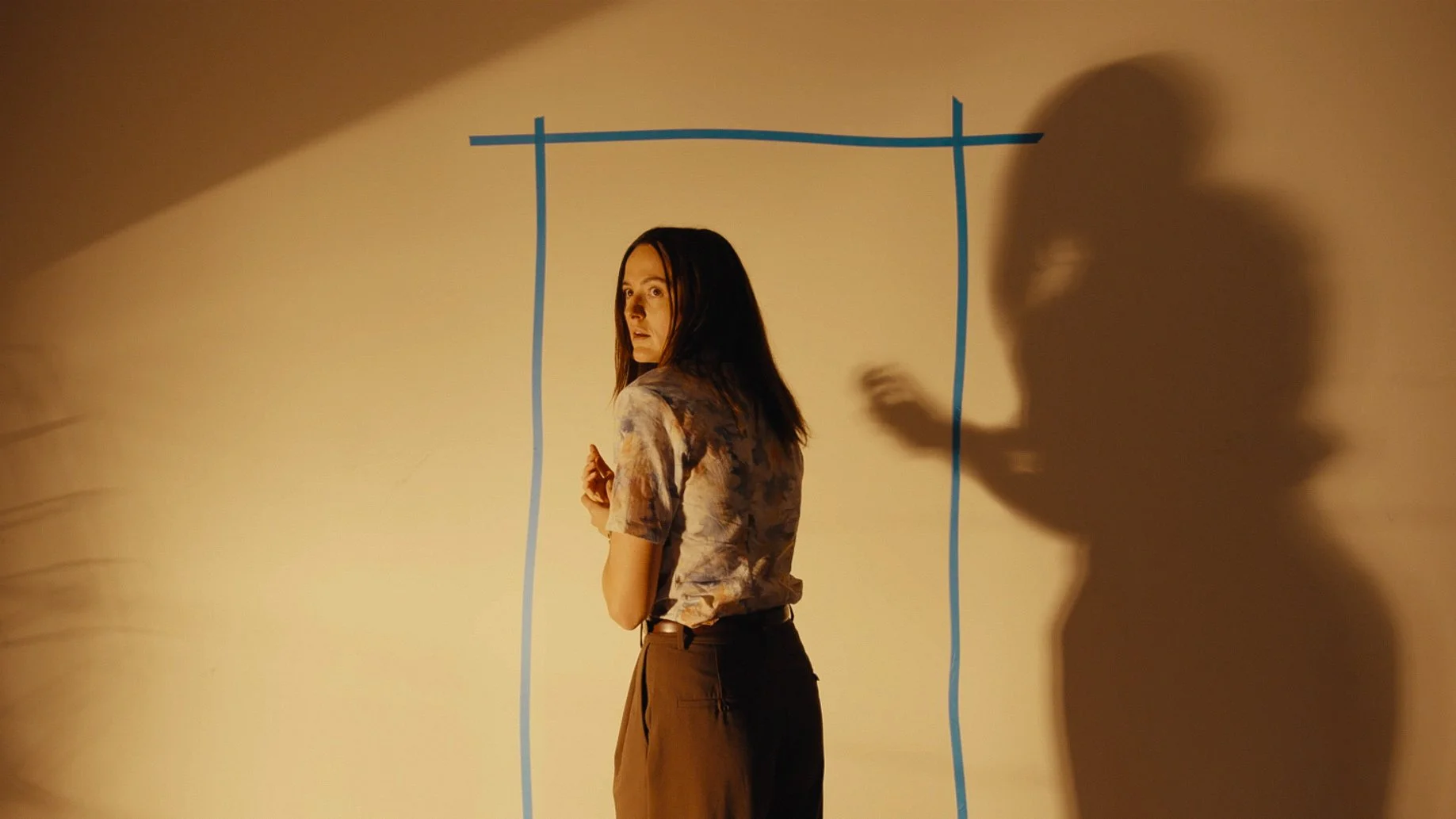
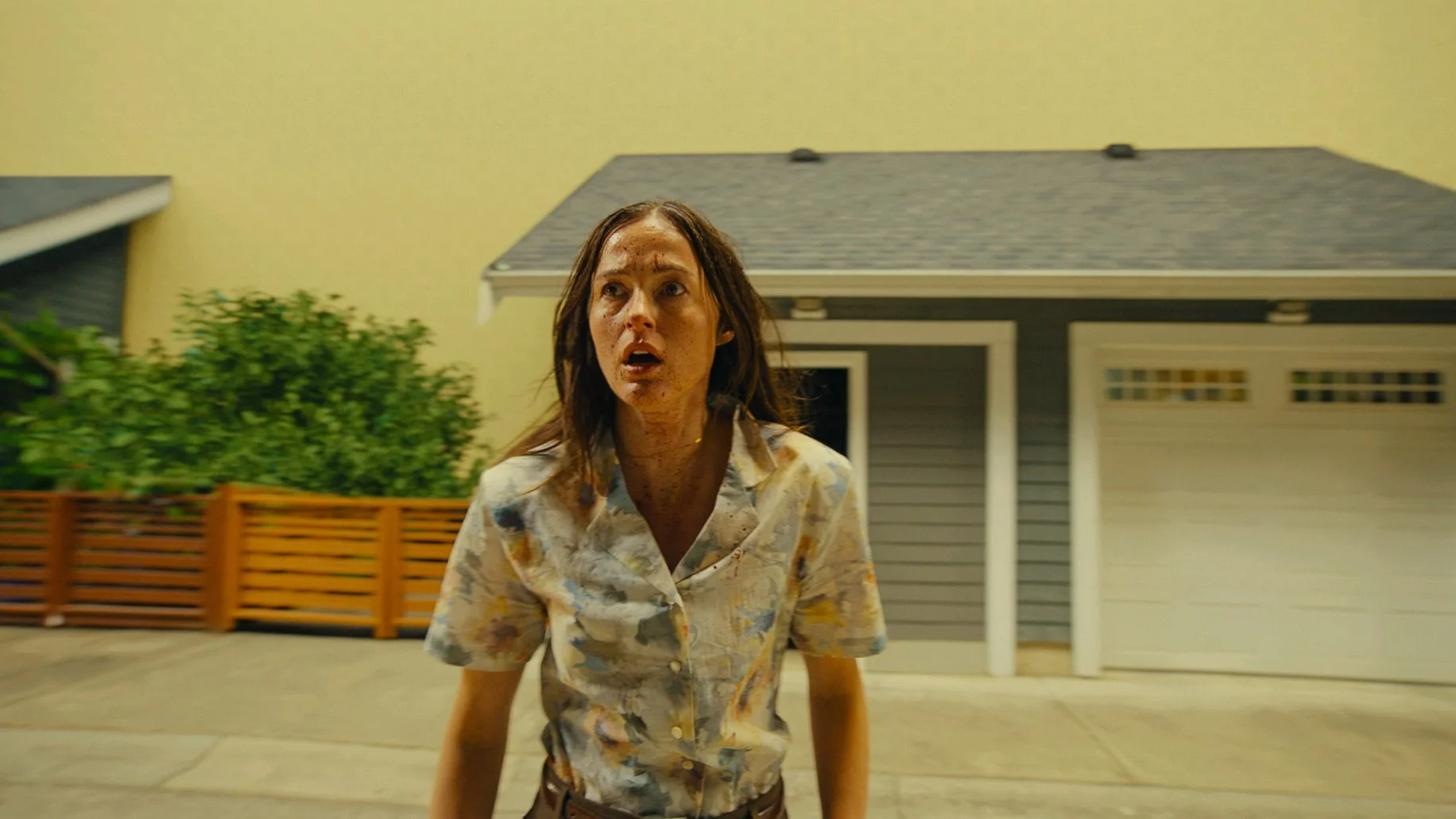
It’s not surprising to say Renate Reinsve and Chiwetel Ejiofor, who give nothing short of their best even in their weakest projects, are sublime. I admire how both leads sell the wonder, curiosity, and isolated dread with just expressions and body language. Ejiofor is more extroverted in his portrayal, dictating how the story turns. Reinsve, in her first horror feature, delivers a striking “scream queen” display, particularly in her facial tics and during frightful turns for Mary.
Isolation is Will Soodik’s (Homeland, Westworld) script’s main theme, whose approach to the concept is rather jumbled in execution. Through juxtapositional focus, it effectively examines its two isolated leads before the backrooms provide external isolation. Backrooms’ overall story stems from a poignant, befitting commentary on humanity’s current post-COVID regression, linking atomized alienation to reliance on AI systems. The 90s setting makes it even more subtle.
The environment is a mirrored version of reality, where generative items and even entities wander, always looking slightly off. The film comments on people, like many we see today, relying on the artificial rather than working towards becoming better humans. Given our culture’s contemporary bleakness, where many people are overwhelmingly socially alienated and lonelier than ever, the Backrooms and how they operate represent AI, and the story comments on how older people are susceptible to falling into the system and making their bed in it. The fact that this is a hand-crafted, practically made production, even down to Parsons’ set design via Blender, adds sheer weight to its allegory. That said, Soodik’s story lacks cohesion. Albeit interesting, it’s jarring how it handles a sharp midpoint character turn.
Backrooms never fully embraces its chaotic potential.
Renate Reinsve Credit: Courtesy of A24
Though I appreciate the Backrooms message, it squanders the potential for a bigger swing befitting its liminal space setting and brilliant atmosphere. It should’ve leaned more into a chaotic edge. It arrives feeling restrained, having to adhere to the A24 brand of horror that I feel they’ve outgrown. Perhaps it’s Soodik’s script not allowing Parsons to go completely off the rails, but given the overall hype and summer release date – it ain’t a blockbuster, but it’s the only wide release of this week – it really could’ve gone for more. But alas, it’s highly entertaining for what it is, especially with an unnerved packed audience.
Final Statement
Backrooms may stumble when trying to balance its haunting atmosphere with bigger thematic ambition, but Kane Parsons still delivers one of the most immersive horror debuts in years — a chilling, crowd-pleasing reminder that the creepypasta generation might just be horror’s next great innovators.
