
'Avatar: The Way of Water' Review: James Cameron's Sequel is a Majestic Ride Worth the Decade Wait
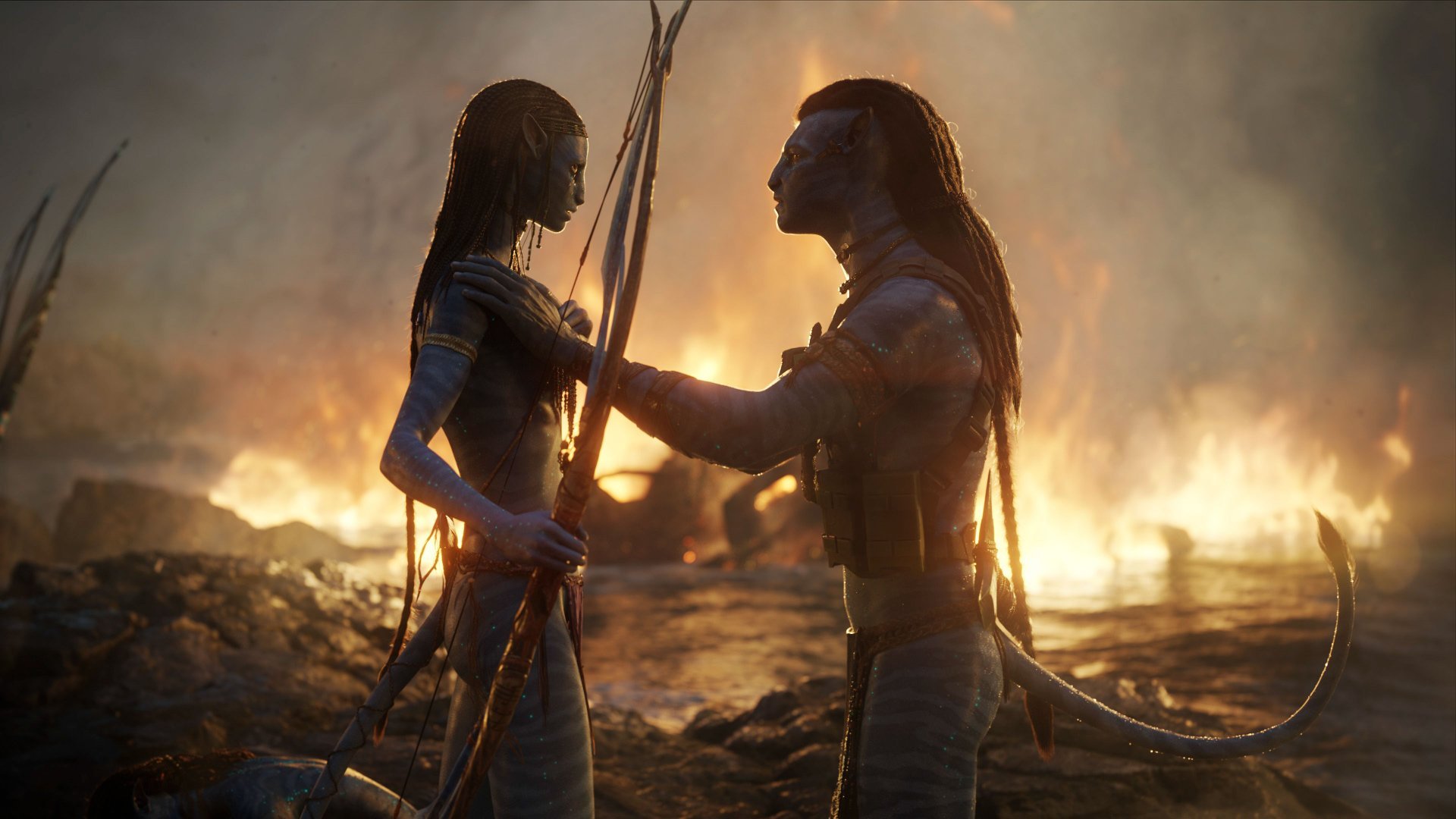
Avatar: The Way of Water
PG-13: Sequences of strong violence and intense action, partial nudity and some strong language
Runtime: 3 Hours and 12 Minutes
Production Companies: Lightstorm Entertainment, TSG Entertainment
Distributor: 20th Century Studios
Director: James Cameron
Writers: James Cameron, Rick Jaffa, Amanda Silver
Cast: Sam Worthington, Zoe Saldaña, Sigourney Weaver, Stephen Lang, Kate Winslet
Release Date: December 16, 2022
In Theaters Only

Set more than a decade after the events of the first film, Avatar: The Way of Water tells the story of the Sully family, the trouble that follows them, the lengths they go to keep each other safe, the battles they fight to stay alive, and the tragedies they endure.

After James Cameron advanced the state of CG technology in 2009 with Avatar, the visionary filmmaker buried himself deep in his Pandora sandbox, expanding on his blueprint, crafting sequels without pausing for air. I was a child when Avatar first hit theaters, and I didn’t catch the craze until its 2022 re-release on the biggest IMAX screen in NYC. After getting my Pandora cherry popped, I was as mesmerized as Frank Reynolds after he witnessed Mac’s coming out performance in the IASIP episode “Mac Finds His Pride.” Avatar's story was simple, but the action and meticulous worldbuilding were breathtaking. It’s wild to see the VFX of a 2009 movie run laps around some of 2022’s biggest blockbusters.
After what felt like 84 years, Cameron finally delivered his promise and dropped the first of many Avatar sequels, The Way of Water, to remind you why he’s still the baddest bitch in the game.

Cameron transports you to Pandora in the opening images, establishing the massive landscape of the forested terrain. The nostalgic enchantment immediately crashes like a tidal wave. From a VFX standpoint, the difference between this film and its predecessor is minimal; the CGI is still god-tier. The indigenous Na'vi villages are as majestic as ever. When the film settles into the titular water portions with the Sullys traveling to an oceanic terrain, the vibrant visuals easily spellbind you. I slapped my hand against my head and went, “Duh! CG VFX can be good.” When the first underwater swimming sequence occurs, we’re introduced to the aquatic animals inhabiting Pandora’s oceans. My brain completely shut itself off (in a “good eye candy” manner rather than a "Movie stupid and I gotta play on its level" way), and I allowed Cameron’s magic to sweep over me. In a time when CG VFX is a requirement for nearly every movie and artists have become exploited, resulting in some recent (*coughs* MCU) blockbusters looking like garbage, The Way of Water reminds you why patience and precision are crucial. This film was worth the decade-long wait because no one can replicate the majestic beauty that Cameron has created with his Na'vis.
Avatar: The Way of Water is set a decade after the events of its predecessor. Jake Sully (Sam Worthington) and Neytiri (Zoe Saldana) got their hairtails busy. They made a family of four: Neteyam (Jamie Flatters), Lo’ak (Britain Dalton), Tuk (Trinity Jo-Li Bliss), and their adoptive daughter Kiri (Sigourney Weaver). They also took in the only human child from the human base, Spider (Jack Champion), as one of their own. The brief moment of bliss following their victory against the sky people ends as militant forces retaliate with bigger guns. War is reinstated, with Sully in the lead once again. That is, until—in Terminator fashion—a Na'vi clone of Colonel Miles Quaritch (Stephen Lang) is awakened from a space chamber. With the memory of Quaritch transplanted into his body, Na’vi Q must hunt Sully down and finish the deed his human self couldn’t accomplish.
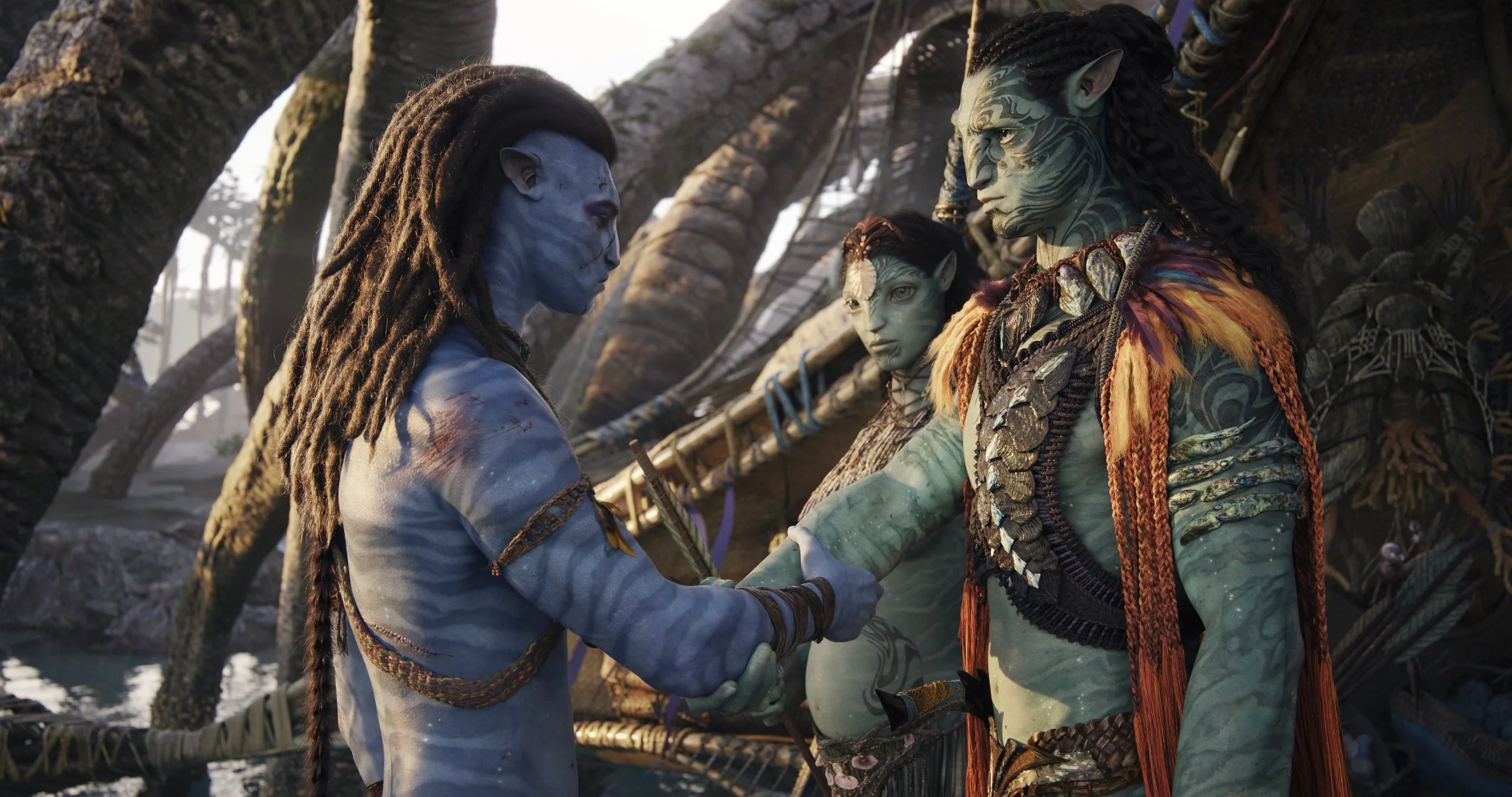
Knowing that his presence will only harm the Omaticaya clan, Sully and his family pack their things and seek refuge with a reef tribe called the Metkayina. Now at the mercy of the reef, the Sullys must upgrade their skills and learn the way of water.
One of the critical essentials of making a good sequel is expanding on a setting’s worldbuilding, which Way of Water does magnificently. Cameron goes bigger in scope, scale, and thematic storytelling in such an overwhelming fashion that one viewing doesn’t cut it. This film makes its predecessor seem self-contained on the visual front, especially with the number of locations this entry takes you. The narrative primarily centers around the Sully offspring navigating their new environment.
As aforementioned, the predecessor's simple story wasn't much to write home about, but Way of Water advances on two fronts: the stakes and the environmentalist message. The urgency elevates naturally due to Jake and Neytiri’s parental status. The dangers they face are real, and the characterization of the family unit, particularly the accident-prone middle child Lo’ak, is developed enough to keep you concerned for the family’s safety.
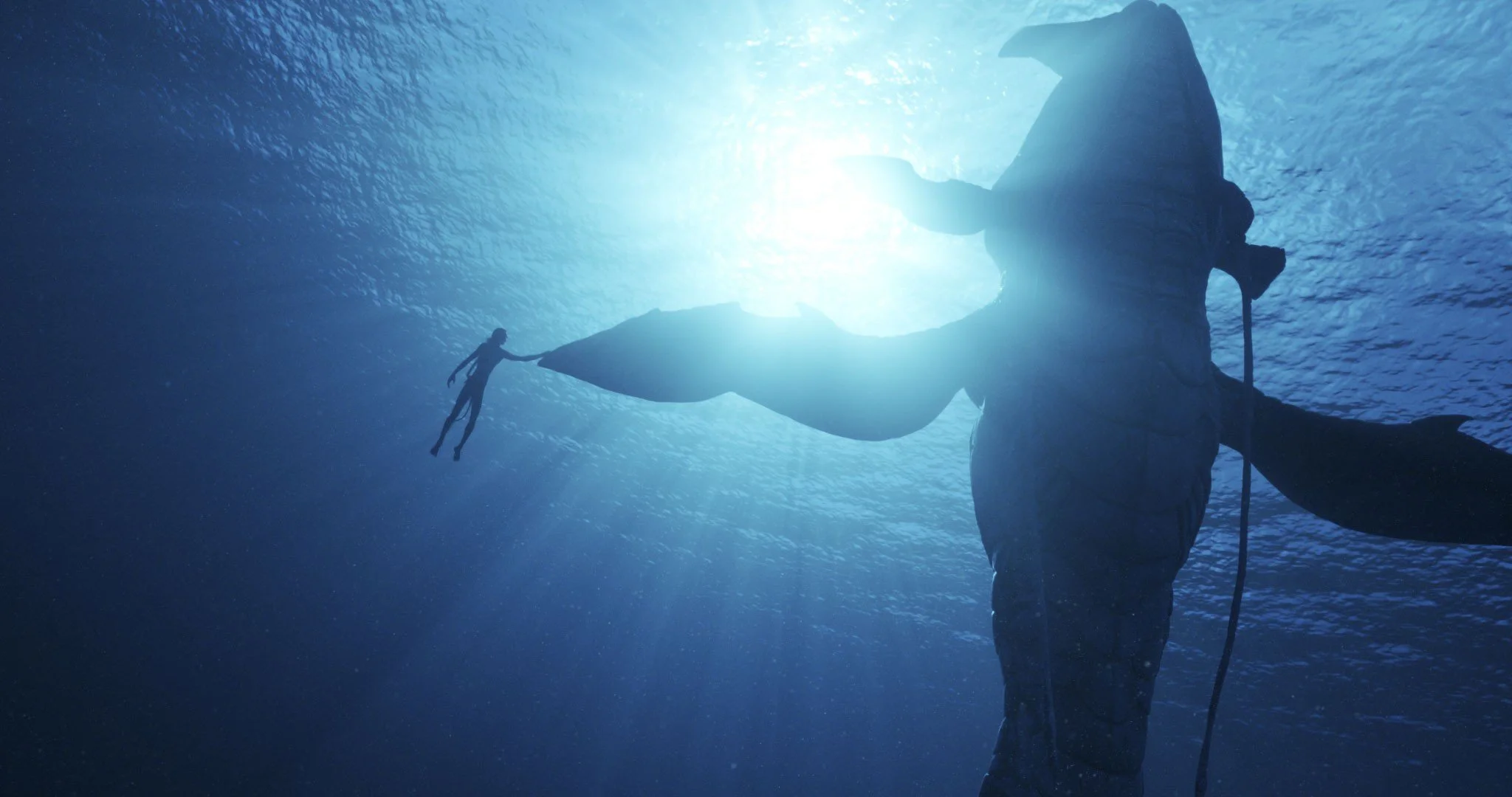
The predecessor’s environmentalist message had an approach similar to FernGully and Princess Mononoke. Given the new aquatic environment, Cameron recycles the same theme but positions it to focus on animal endangerment. Lo’ak befriends an endangered aquatic creature in a Free Willy-type story, and their connection resonates emotionally. Way of Water handles its environmentalism in a way we haven’t seen in full force since Blackfish.

James Cameron poured his heart and soul into this film for a decade to recapture the wonder of Avatar and take his imagination to new heights. You can feel that he’s an environmentalist with the way he reuses and recycles many elements of the predecessor in this sequel. Watching as the Sully family adapts to the reef feels like a retread of Jake's Dances with Wolves arc in the previous film. Every element—even the "I See You" motif from Avatar—is present in this film but with an extra *just add water* ingredient attached. That wouldn’t be an issue if Jake Sully weren’t so unlikeable. The man has always been dull with a Type A personality. He’s a stubborn and spiteful dad who plays favorites and gaslights his own. Lo’ak gets the worst of it, feeling like a burden due to his impulsive actions, and Jake hardly extends a hand to his son. Oddly enough, Quaritch becomes an endearing father figure—better than Jake ever was. Na'vi Q has a sweet arc while wanting to form a connection with his estranged son, Spider. While it lacks emotional grip and would have benefited from more screen time, Na'vi Q wins the “Best Dad” award in this narrative.
For a sequel with a meatier runtime, the story takes a long while to leave the station. The first act drags for longer than it should’ve due to confusing exposition pulled out of thin air. However, the climax bears some of the most exhilarating action sequences I’ve seen this year. That said, oh boy, the third act meanders. Many characters make dumbass decisions, and the film often repeats previous beats. It’s utterly draining.
Fair warning: make sure you don’t see this film in HFR 3D, which has a high frame rate. For some reason, visionary filmmakers keep pushing the alienating trend of 48FPS for the big screen, which makes audiences both nauseous and exhausted. I had no say in the format I wanted, so I was stuck with Dolby 3D. It went from feeling like a cinematic sci-fi experience to being a PS5 cutscene blown up for the big screen. I want this trend to stop. The viewing experience became disorienting due to sequences where the frame rate goes from 48 to 60. Make sure to avoid HFR at all costs.

In an era of visual slop from blockbusters, James Cameron’s Avatar: The Way of Water is a breathtaking technical marvel that reminds you that CGI can be a visual feast. It justifies the long ass wait due to the detail and dedication in each frame that brings Cameron’s imagination to life. Narratively, it’s still as mid as its predecessor with some vast improvements in themes and character, but damn this is the roller coaster thrill ride for the winter season.

