'Wonder Woman 1984' Review
PG-13: Sequences of action and violence
Runtime: 2 Hrs and 30 Minutes
Production Companies: DC Films, Atlas Entertainment, The Stone Quarry
Distributor: Warner Bros. Pictures
Director: Patty Jenkins
Writers: Patty Jenkins, Geoff Johns, David Callaham
Cast: Gal Gadot, Chris Pine, Kristen Wiig, Pedro Pascal, Robin Wright, Connie Nielsen
Release Date: December 25, 2020

Diana Prince lives quietly among mortals in the vibrant, sleek 1980s — an era of excess driven by the pursuit of having it all. Though she's come into her full powers, she maintains a low profile by curating ancient artifacts and only performing heroic acts incognito. But soon, Diana will have to muster all of her strength, wisdom, and courage as she finds herself squaring off against Maxwell Lord and the Cheetah, a villainess who possesses superhuman strength and agility.

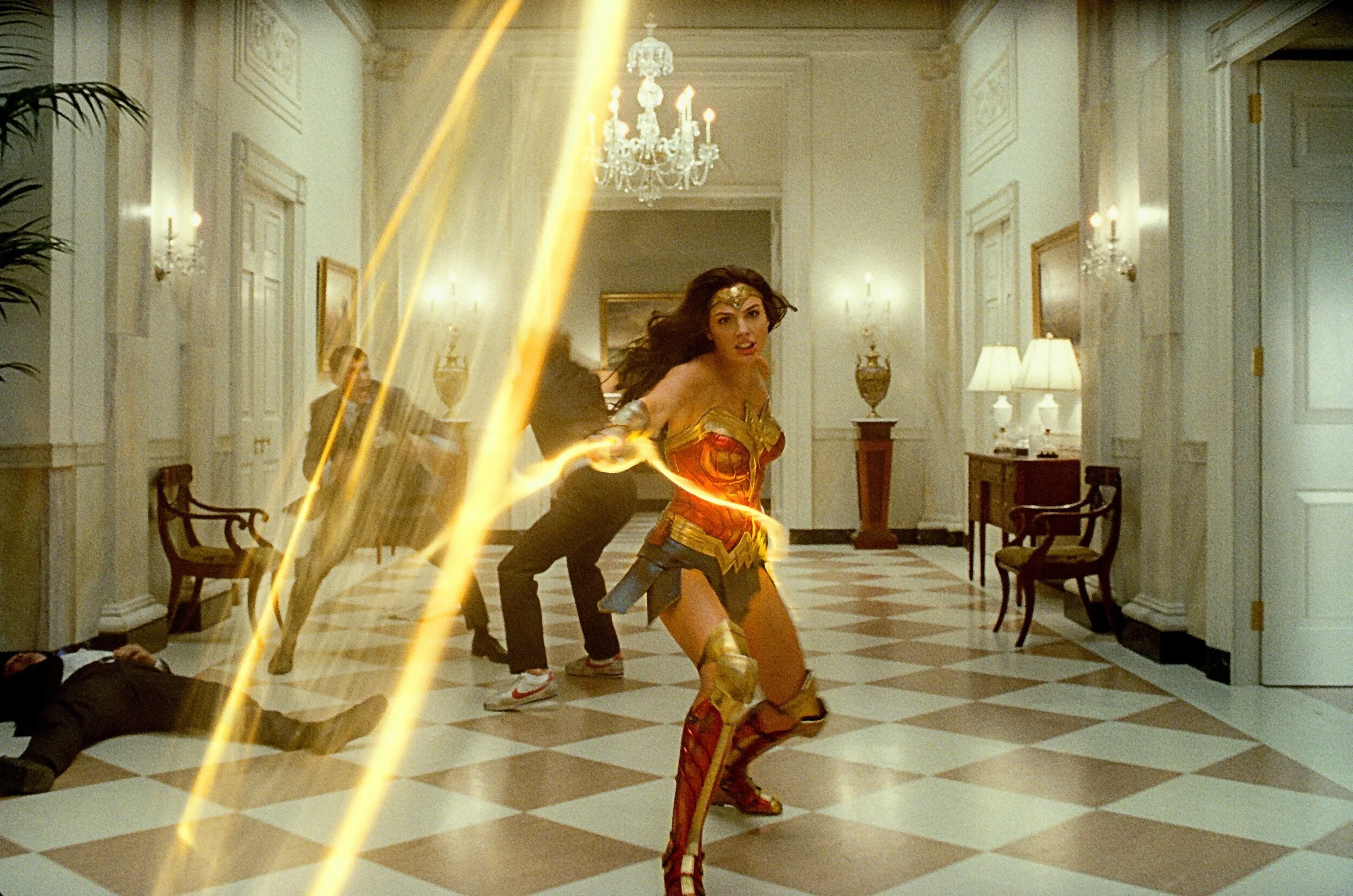
Whenever there’s a new movie or television series set in the ‘80s — whether it be Stranger Things, It: Chapter One, or the Valley Girl remake — Hollywood loves to shove the backdrop of the era down your throat in every way imaginable. They just love to trigger your nostalgia with pop culture references via dialogue, soundtrack, or set decoration. One of my major fears going into Wonder Woman 1984 was how much the film would emphasize on the year it’s set in. Thankfully, that wasn’t the case here. The film presents a clear and present mid-’80s aesthetic but never for a moment tries to hit you over the head with its era in a cheap manner. The best nostalgia trigger you’re gonna get is a Waldenbooks in a mall during the first act. If anything, the film emphasizes technology in a bizarre, yet Orwellian sense. I love how director Patty Jenkins tries to incorporate the concept of Big Brother through Diana and that’s how she’s able to stop crimes in the nick of time. You know that cliche where superheroes show up just in time because they have super-hearing? Well, Diana is pretty much Big Sister. Diana Prince walked so the NSA could run.
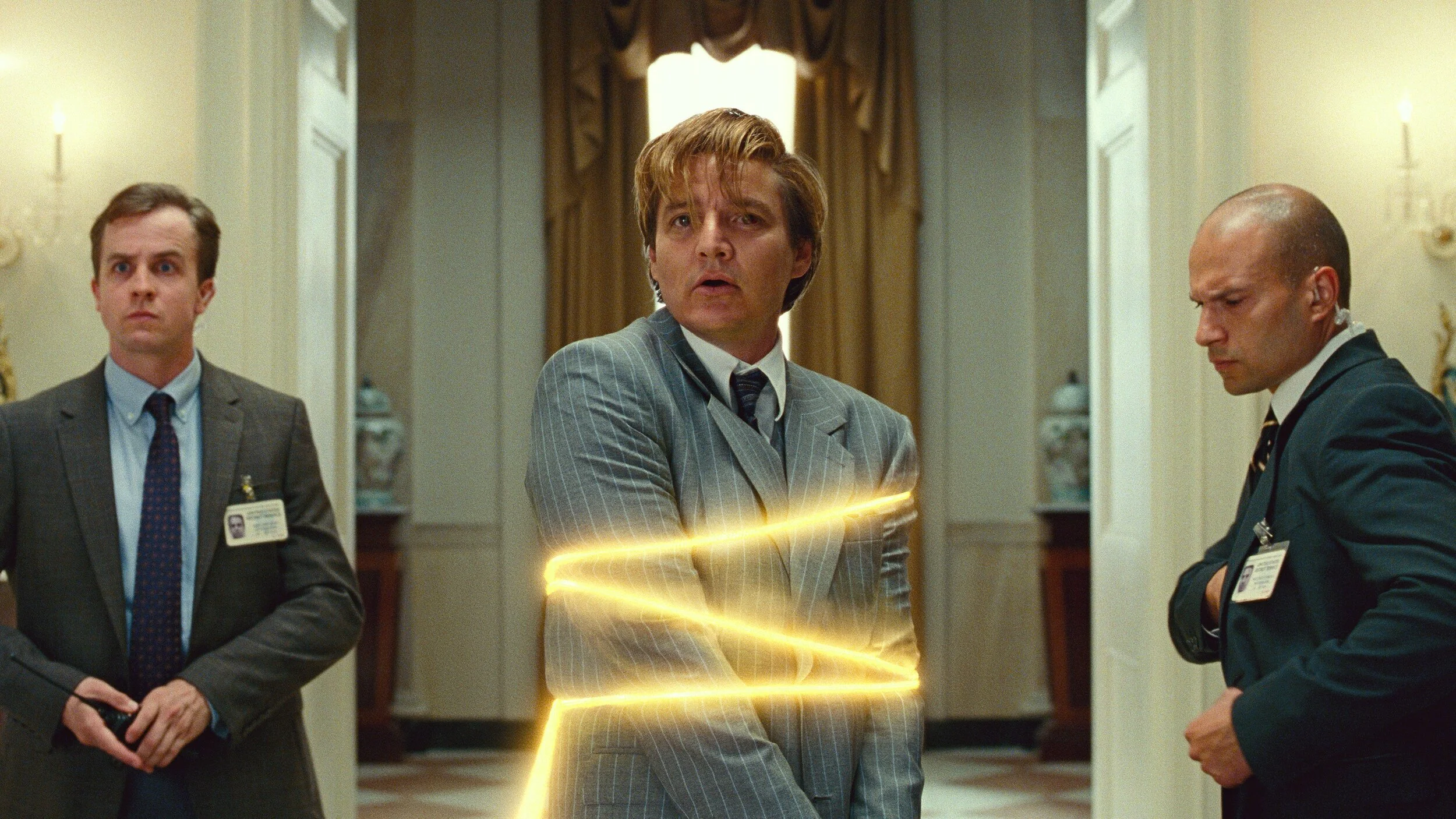
Kristen Wiig and Pedro Pascal deliver fantastic performances in their respective roles as the two antagonists. While Barbara Minerva’s paper-thin arc is astoundingly weak, Wiig runs the gamut and does an effective job going from the comedic, timid, and socially awkward Kristen Wiig we know and love to become a genuine intimidating threat. There comes a point where she is kicking ass and acting circles around everyone, especially Gal Gadot. Pedro Pascal is also great as Max Lord, a goofy and charismatic villain reminiscent of Joel Schumacher’s world. He’s not over-the-top but he’s having fun with the material he’s given… even if the material isn’t good. Out of the many character arcs present in 1984, Max Lord’s is the only one that somewhat works.

The most effective aspect of the predecessor was Diana’s arc where she comes to her own as a hero in the world of man. It might’ve been a familiar “fish out of water” tale but it was her strong-willed independence arc that made Wonder Woman (2017) such a good movie. I’ll be damned that this sequel reduces her to an uninteresting character whose arc completely relies on her emotional co-dependency with a man. WW 1984 takes place 66 years after the events of the predecessor and Diana Prince, who has now fully embraced her role as a hero, is still not over the grief of losing Steve Trevor. Her entire world is dictated by the ghost of Steve, for she’s now gotten into aerodynamics and created an estate in his name, but never seemed to move on. Just like that terrible Sandra Bullock rom-com from 2009, this movie is All About Steve.
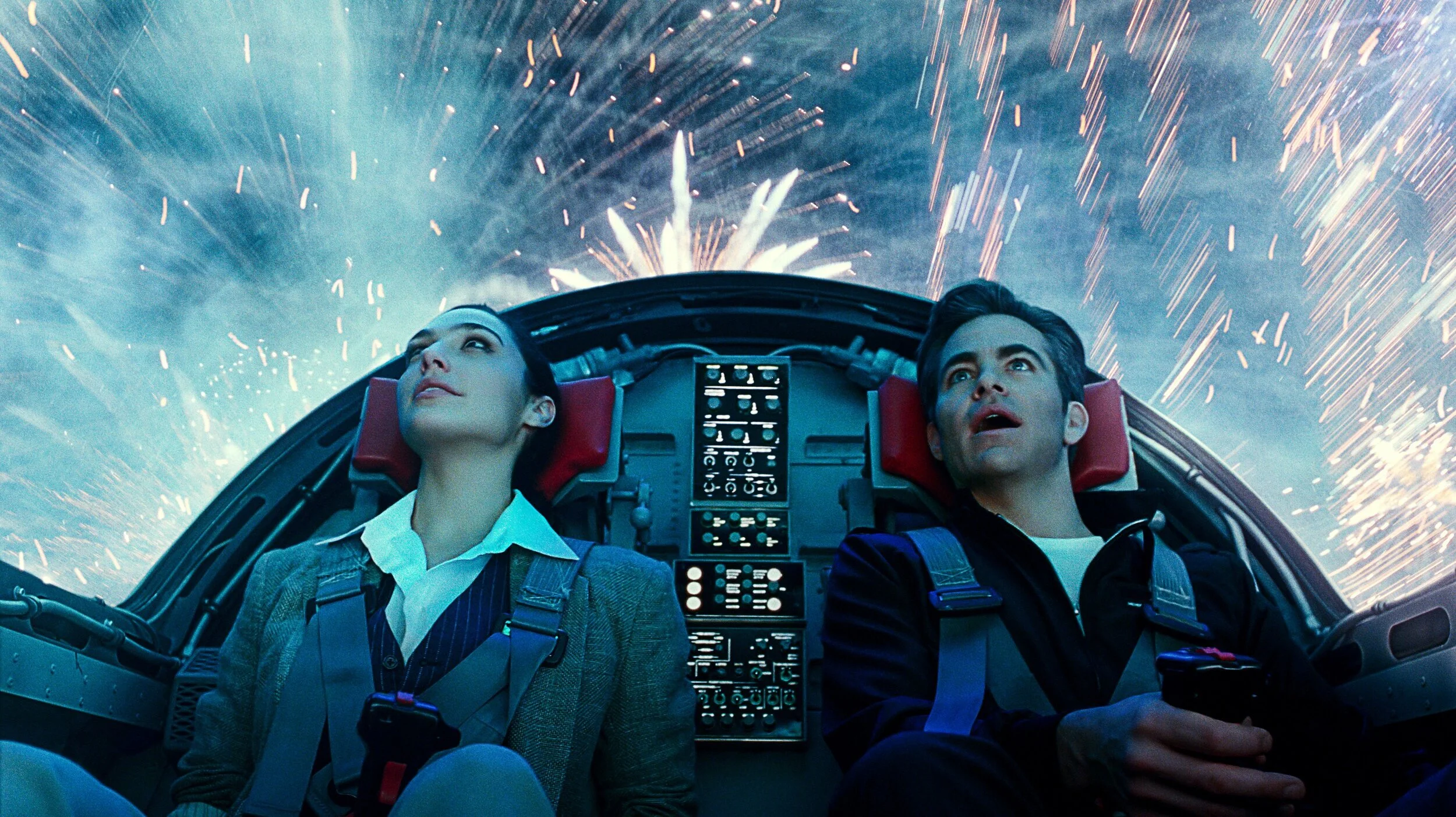
Not to sound insensitive but it’s so far-fetched to ask an audience to believe that this superhuman woman — who comes from an island of women and women only — has been grieving for the one man she had sex with over 60 years ago and has never moved on. Diana has lived through World War II, the Vietnam War, Woodstock, and the ‘70s, yet somehow we’re to believe she hasn’t explored her bisexuality or gotten intimate with any other partners. Her feelings for Steve is the basis of her arc, which is such a significant step back that it doesn’t even match the character’s identity. Steve was a charming dreamboat and there was genuine love between the two, but the time they spent together in the predecessor wasn’t long enough to warrant the lingering emotions she experiences in this movie. It’s not like Steve was the Ellie to her Carl Fredricksen. Even how they bring Steve back is pretty pathetic. Earlier this year we saw The Old Guard, which tackled similar themes of grief and loss between immortal characters and it’s done in a more impactful manner because the immortal characters had known each other for centuries. In Wonder Woman 1984, you have a heteronormative far-fetched plot that doesn’t feel even remotely close to the identity of this character that a lot of women, especially within the LGBT community, look up to. That being said, the chemistry between Gadot and Pine continues to work.
The romance between the pair is stronger this time around and it has a cute role reversal where Steve is the fish out of water in this new technology-based era. The film becomes more of a rom-com than a superhero movie, for there’s hardly any Wonder Woman in it. It emphasizes so much of Diana Prince and Steve Trevor’s romance that Wonder Woman felt like an afterthought, even with the variety of action sequences. While the action is well choreographed and fun to watch, there isn’t enough to compensate for the long runtime. Because of this, the only arc I was able to latch onto was Max Lord’s because it’s completely realized and poignant. Barbara, on the other hand… sheesh.
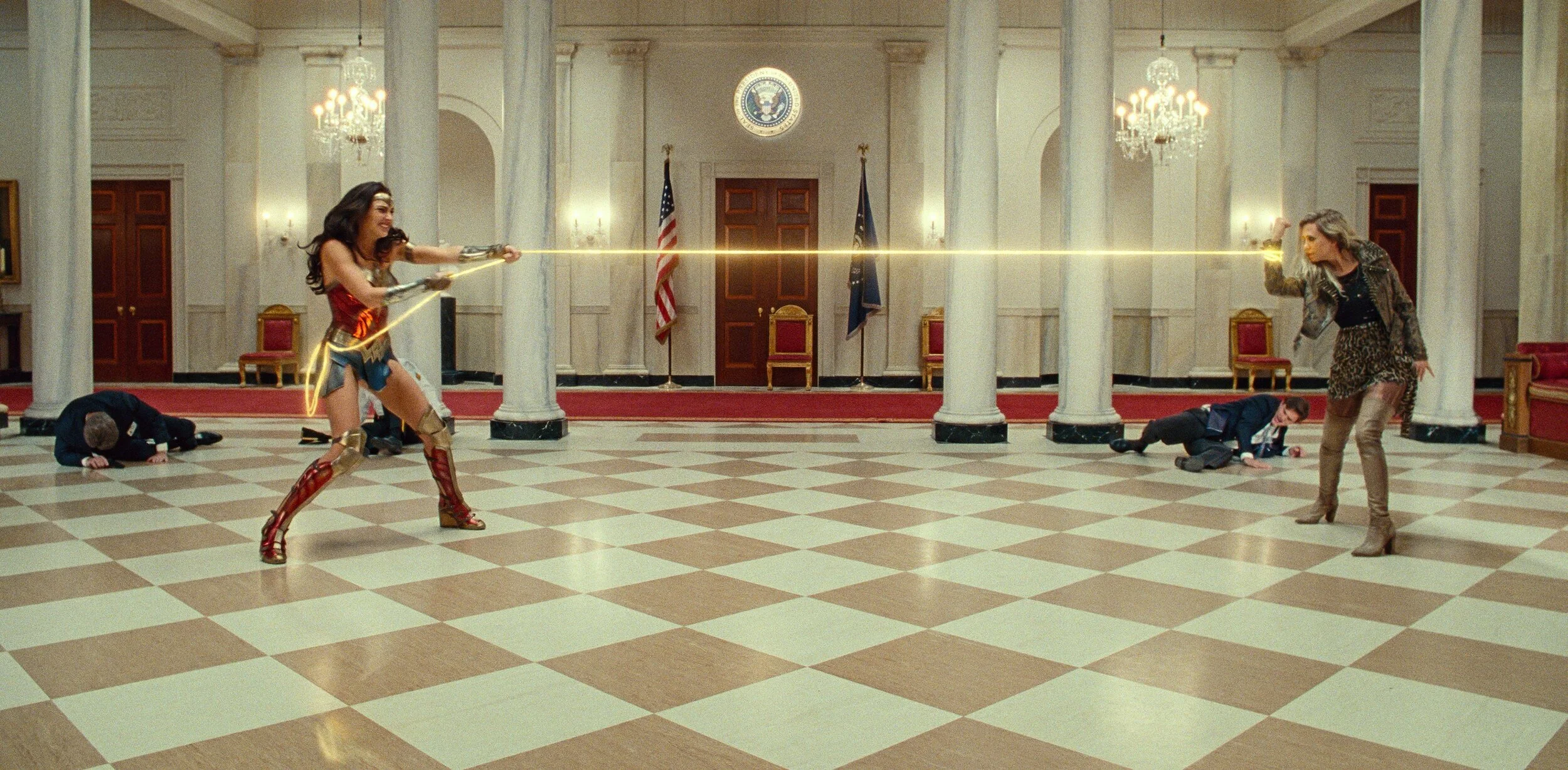
Can somebody tell screenwriters that giving their antagonist thin-framed glasses, messy curly hair, and an awkward/nerdy personality doesn’t make for an effective origin story? We’ve seen it with Michelle Pfeiffer in Batman Returns, Guy Pearce in Iron Man 3, and of course the worst of them all… Jamie Foxx as Electro in The Amazing Spider-Man 2. This movie is so unapologetically ‘80s that it embraces the outdated trope where having glasses and being smart makes you an ugly loser to the world. Barbara’s relationship with Diana as co-workers at the Smithsonian — because the film has a basic white feminist mentality — is also pretty bad. There comes a point where Barbara tells Diana, “All your life, you had everything you ever wanted while people like me got nothing,” as if she’s oppressed. I had to laugh because my immediate response was, “Honey, shut the fuck up. You’re white.”
For a demigod superhero who comes from a world of Greek Gods and mythology, the Wonder Woman movies' weak points are their attempts to integrate mythological shit into the world of man. You thought the Ares reveal in the predecessor was a lazy third-act cop-out? Well, get ready for the MacGuffin that sets up 1984’s narrative. Remember that Robert Rodriguez movie from 2009 called Shorts? You know, about the kids who discover a rock that grants them everything they wish for? Well… that’s the MacGuffin of Wonder Woman 1984. I shit you not, what kicks off the plot is a wishing rock artifact that ties into Greek mythology and from there the film becomes a chaotic mess. It’s so bizarre how this is a Patty Jenkins movie, yet it has the chaotic energy of a Matthew Vaughn movie: overstuffed plot, undercooked characters, lack of empowering female characters, and no depth. Wonder Woman 1984 bears a 131 minute run time, but it still feels like a rushed, underdeveloped mess. It has a heart and good intentions, but the film suffers severely from a lackluster screenplay that doesn’t do justice to the majority of its characters, especially the titular superhero herself.
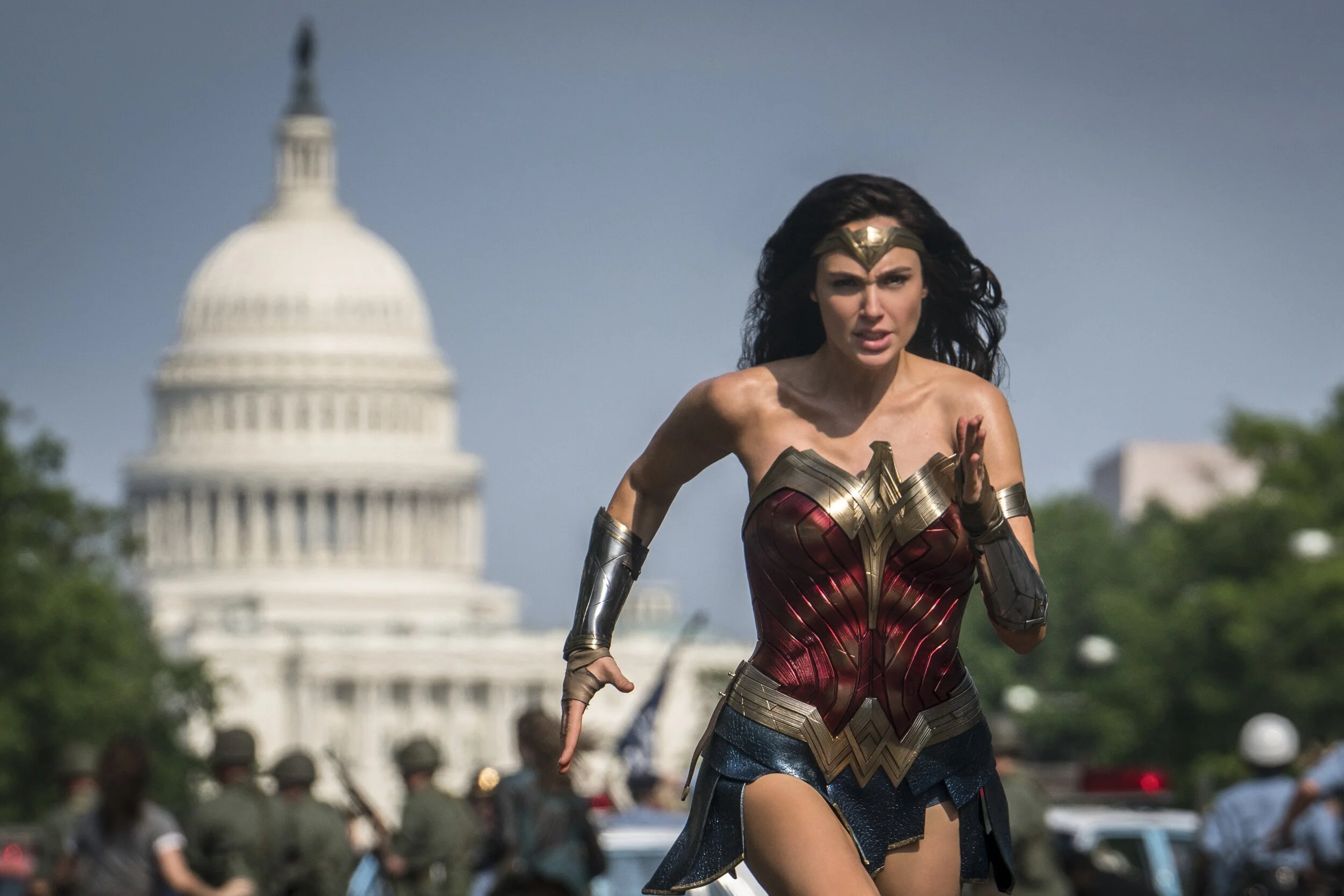
In the tradition of films such as Kingsman: The Golden Circle, The Amazing Spider-Man 2, Fantastic Beasts: The Crimes of Grindelwald, and many more, Wonder Woman 1984 continues the trend of being an overstuffed sequel that doubles down on the goofiness of the predecessor with an even messier plot, weaker screenplay, and a frustrating lack of dimension that backtracks what made the predecessor a beloved success. At the end of the day, Wonder Woman 1984 fails to capture the triumphant spirit of the titular character by applying archetypes that are as dated as the year it's set in.