
'The World To Come' Review
R: For sexuality/nudity
Runtime: 1 Hr and 38 Minutes
Production Companies: Killer Films, Sea Change Media, M.Y.R.A. Entertainment, Yellow Bear Entertainment, Hype Film, Ingenious Media
Distributor: Bleecker Street
Director: Mona Fastvold
Writer: Ron Hansen, Jim Shepard
Cast: Vanessa Kirby, Katherine Waterston, Christopher Abbott, Casey Affleck
Release Date: January 29, 2021

In this powerful 19th century romance set in the American Northeast, Abigail, a farmer’s wife, and her new neighbor Tallie find themselves irrevocably drawn to each other. A grieving Abigail tends to her withdrawn husband Dyer as free spirit Tallie bristles at the jealous control of her husband Finney. Together, their intimacy begins to fill a void in each other's lives they never knew existed.

Another year, another white lesbian period romance. I get older and these movies stay the same. I don’t want this to be misconstrued, but a lot of recent lesbian period dramas, whether American-made or internationally made, have been bleeding into each other in some fashion. Thankfully, The World To Come, based on one of ten short stories in a book by the same name by Jim Shepard, provides a refreshing take on a familiar premise that is thoroughly engaging.
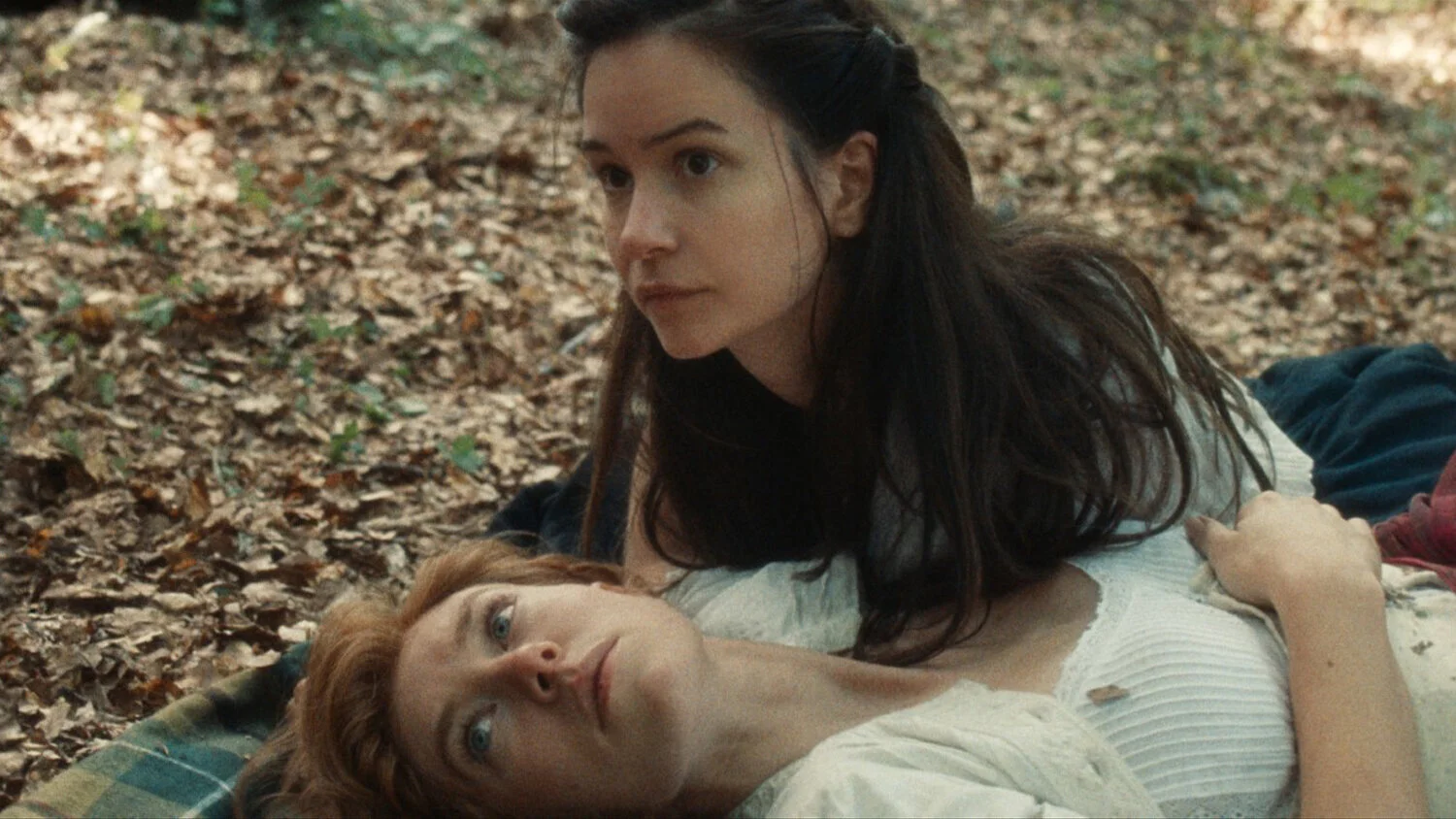
Set during the American Settlement period in the East Coast frontier, the narrative is told from the perspective of Abigail via a series of diary excerpts. She’s stuck in a rut and we’re introduced to her at her lowest point in life. The way this part of her provincial American life unfolds is as tragic as the opening of a Pixar movie. Her 4-year-old daughter recently died of illness and her husband is quiet, non-expressive, and lacks a personality — plus, he’s played by Casey Affleck. You can’t help but feel sympathy towards Abigail. You view the narrative from her mindset/perspective as she narrates her day-to-day routine prior to meeting her new neighbor Tallie. Once Abigail lays eyes on her, her heart flutters like a teenage protagonist in a YA novel. When the two meet, Abigail is instantly bewitched by her beauty and the film complements it with closeups of Tallie’s physical features from Abigail’s POV. Director Mona Fastvold gets you up close and personal with Abigail from an emotionally vulnerable and intimate standpoint. I knew Vanessa Kirby was a beautiful woman, but the way Katherine Waterson described her feel made me think, “Oh no, Vanessa Kirby is goddamn gorgeous.”
For the film’s relatively short run time, it moves at a quick pace. Each scene begins with a log date and jumps forward in time as the blossoming relationship between the pair builds up organically. I love how Abigail’s strong feelings for Tallie trumps nearly all of her emotions towards everything else. While her husband Dyer notices, he never really intervenes. He minds his own business AS HE SHOULD!
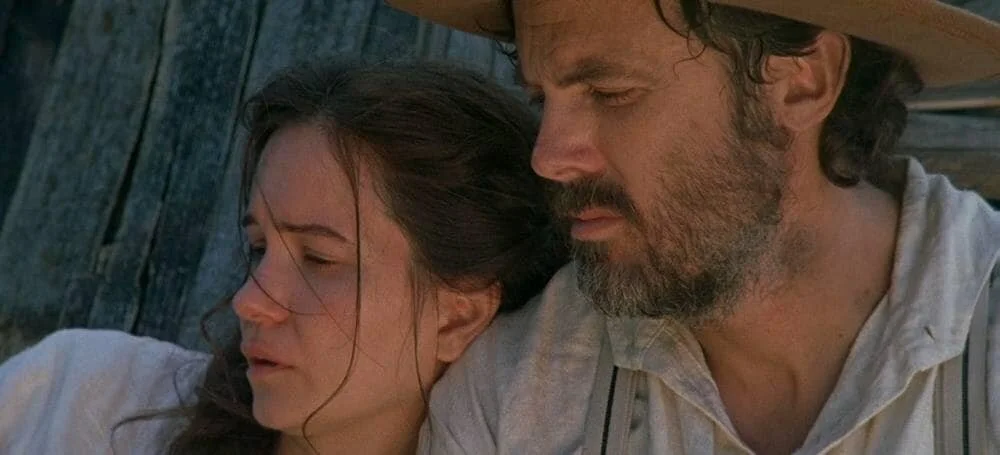
Needless to say, Katherine Waterson and Vanessa Kirby are absolutely superb in their roles. Waterson embodies the relatable characteristics of the soft-spoken yet poetic person and Kirby as the outspoken free spirit. It’s a specific dynamic that many people can identify with. The poet and the free spirit. The chemistry between the leads is so electrifying that you can feel the sexual tension and desire radiate from the screen. Aside from them, Affleck delivers yet another of his notable quiet and depressed performances rather well. I liked his performance as Dyer, for he shares Abigail’s pain while grieving the loss of their daughter. The two are hesitant to bear another child, which causes a bigger rift in their relationship. He is relatively aware of what’s brewing behind the scenes whenever he’s not around. However, the same can’t be said about Tallie’s eccentric, narrow-minded, abusive, god-fearing and Bible-thumping husband played by a very frightening Christopher Abbott. He isn’t on screen very much but he is the conflicting force that puts a ridge between the housewives’ romance.

It’s like with each passing year, the number of white lesbian period dramas rise exponentially and they all have to check certain boxes in order to receive critical love and, potentially, some award nominations.
The leads have to be white.
One woman has to be blonde and the other has to be brunette.
It has to be set in either the 18th or 19th century on a remote, isolated location.
And no matter what, they need to be released during the current awards season.
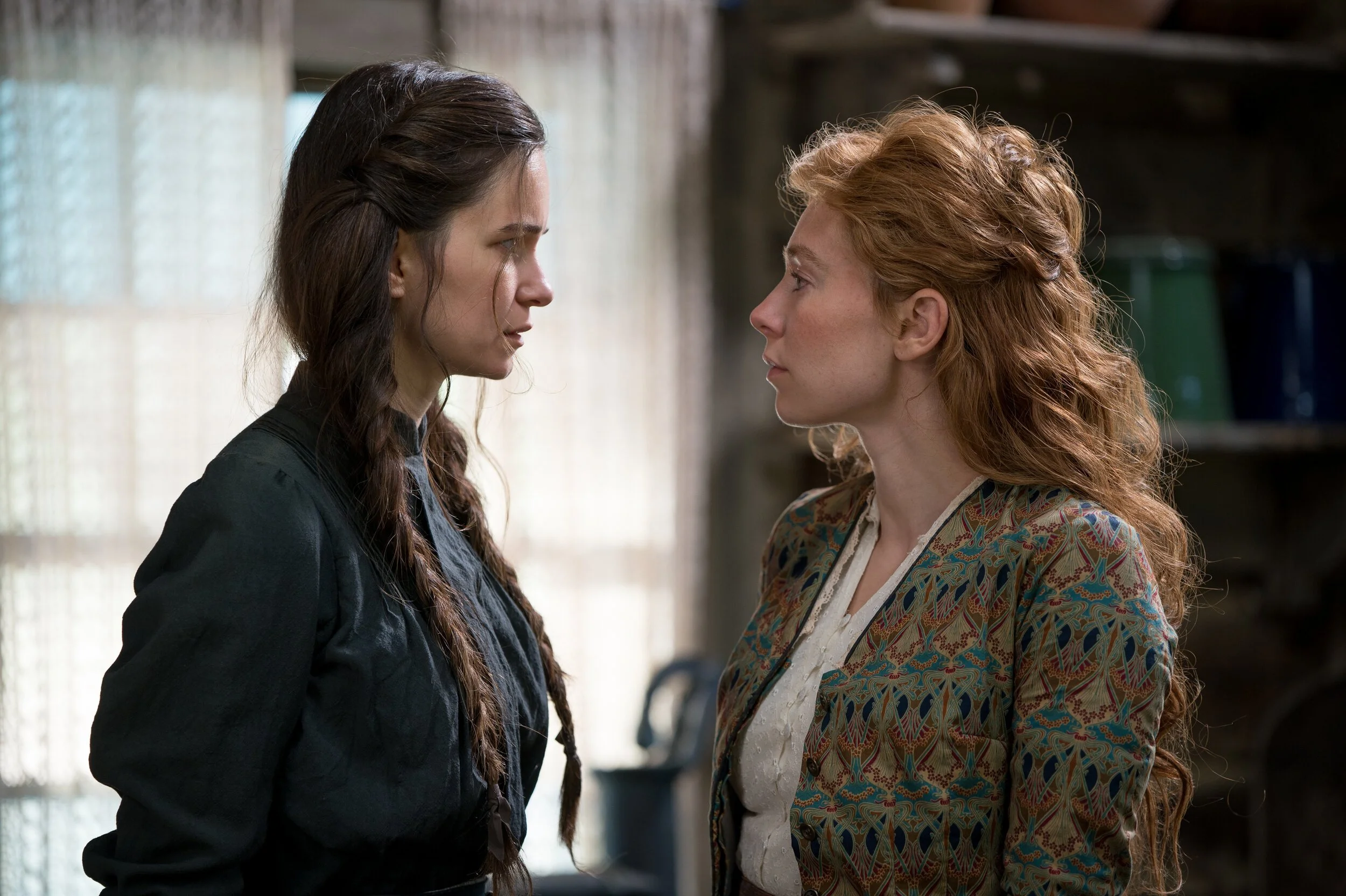
Again, I don’t want any of this to be misconstrued, but at this point, some of these movies are kind of bleeding into each other. While The World to Come is able to stand out amongst a crowd, it still falls into those familiar trappings that might get way too frustrating for its demographic. While the enthralling romance between Abigail and Tallie is the film’s major strength, along with the diary excerpt/log date narrative technique, many of its story beats are way too familiar. Because of the setting, the time period, and the hetero societal norms, roles for women were very limited. So, the conversations shared between Tallie and Abigail pertain to yearning for more out of life, their experiences as women, the tragedies they’ve faced, and the husbands they’re emotionally distant from. These discussions don’t stray far from the conversations between romantic partners in other lesbian dramas. It simply exudes a “been there done that” energy.
That being said, by the film’s third act, the narrative shifts to a conflict that says, “Oh yeah, this is set during the 19th century prior to women’s rights being vocalized and fought for.” At that point, it becomes an angering bummer of a drama. It’s now 2021 and there have been plenty of lesbian period dramas that fall short due to depicting romance between two women as a brief moment of bliss and nothing more. While you get that message in a meaningful and emotionally impactful manner with films such as Portrait of a Lady on Fire and Ammonite (which I wasn’t a big fan of), the way The World to Come delivers this is so excruciatingly depressing that it sours the taste of the film as a whole. Instead of adding a fantastical element to deliver something of value for its LGBTQ demographic, making it one that breaks narrative conventions, it chooses to emphasize the time period by incorporating its basic societal norms and the cruel, crushing reality of the world at the time. When you have movies like The Favourite and Portrait of a Lady on Fire, which elevated the white lesbian period drama genre, the demographic shouldn’t have to expect the same old stereotypically heterosexual message of, “Hey, the gays couldn’t be gays because society wasn’t ready for it” narrative. You know they want the depiction of an everlasting happiness no matter what period it’s set in. If filmmakers and studios are going to keep undermining that expectation without any nuance just to get some award recognition, then I fear the world of queer cinema to come.

