
The Mustang Review
R: For language, some violence and drug content
Focus Features
1 Hr and 36 Minutes
Dir: Laure de Clermont-Tonnerre | Writers: Laure de Clermont-Tonnerre, Mona Fastvold, Brock Norman Brock
Cast: Matthias Schoenaerts, Connie Britton, Bruce Dern, Jason Mitchell, Gideon Adlon, Josh Stewart
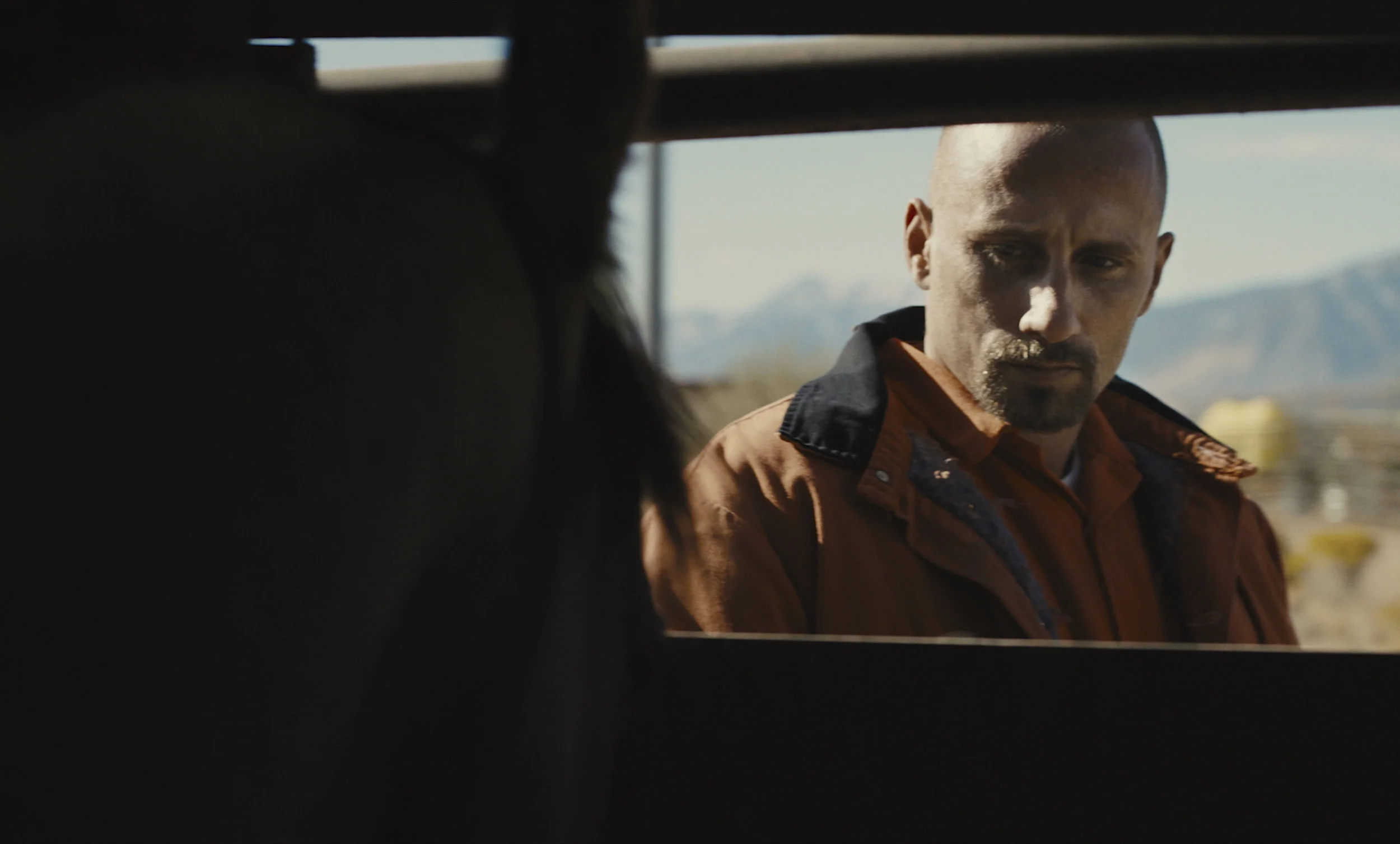
Roman Coleman (Matthias Schoenaerts) is a tightly wound convict fresh out of solitary confinement at a maximum security prison in the Nevada desert. Still wary of human contact, Roman enrolls in a tough but rewarding rehabilitation program learning to train wild mustangs. Under the tutelage of grizzled trainer Myles (Bruce Dern), he takes charge of an ornery horse in the hopes of preparing it for an annual auction. With the wild animal acting as a mirror for his own raging emotions, Roman must learn to tame not only the mustang but also the beast within.

Incarceration is a subject that not many narratives center on. Yes, you have documentaries such as Ava Duvernay’s The 13th that provide a very in-depth insight on the subject. Unfortunately, not many narratives do the same. There are many aspects of the subject to explore and none have done it in the bold way director Laure de Clermont-Tonnerre has done with The Mustang. The film is based on a NYT article called, “Wild Horses and the Inmates Who ‘Gentle’ Them” which I highly recommend you read after the film, because the emotional impact hit much more after.
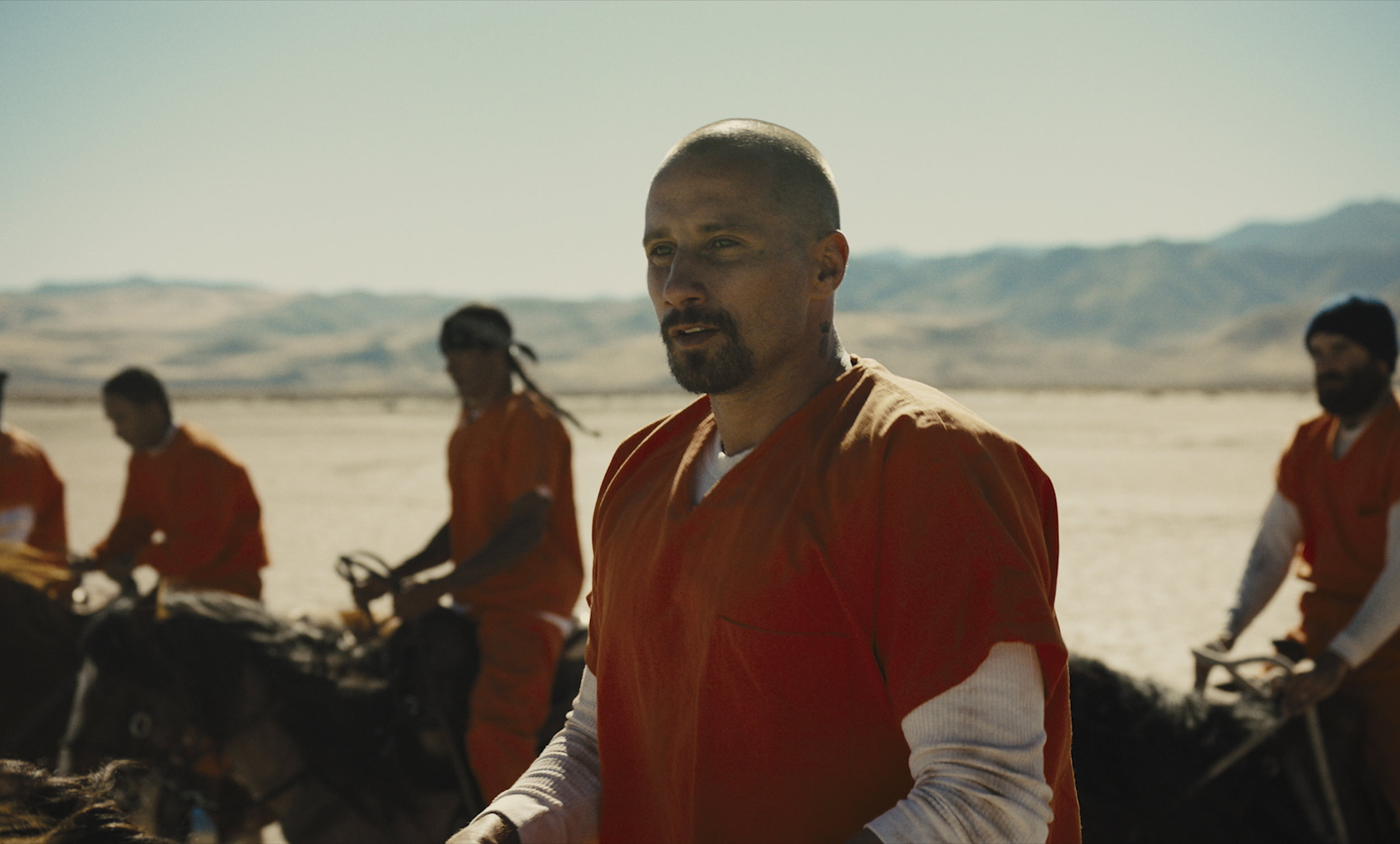
Through the visuals and tight script, the film manages to balance the haunting world of the prison system and the horses in confinement alongside them. As the film digs into the purpose of these captive wild horses held against their will in the Wild Horse training program, you become more heartbroken as you realize what is truly at stake.
Laure de Clermont-Tonnerre. Learn that name because after this powerful film is released, she’s going to blow up. For The Mustang being De Clermont-Tonnerre’s directorial debut, she expertly showcases an atmosphere that’s unique and poignant. From a filmmaker standpoint, she excels in all cylinders. The shot composition is outstanding and the framework of her cast expressing their emotions through movement more than dialogue compliments the angles she shoots them at. Also, the color grading of the cinematography has a beautifully consistent palette. If a story is taking place in the Midwest, it would seem so simple to capture wonderful cinematography through displaying its landscape, but how this film opens with an establishing shot of the west and how these wild horses are transported makes for a well-deserved compliment.
The interiors accurately depict the incarceration system, even down to the visiting center. The small details De Clermont-Tonnerre manages to get down are so intricate that it got me immersed into the narrative. I’ve been to the visiting centers of a prison several times and she managed to include everything present in one, even down to the inmate who takes pictures for other inmates and their families against a framed backdrop of a tropical place. I personally appreciate that, for I’ve never seen details like that in a film. At times it felt like less of a movie and more of an observation of setting that not many films try to explore. The last time I saw this level of depth for depicting incarceration was the Jeffrey Wright film O.G. which you can catch on HBO. I saw it at Tribeca last year and it’s a very good film and also does a great job exploring the prison lifestyle. While it doesn’t measure up to the insightfulness of this, it is a great companion piece.
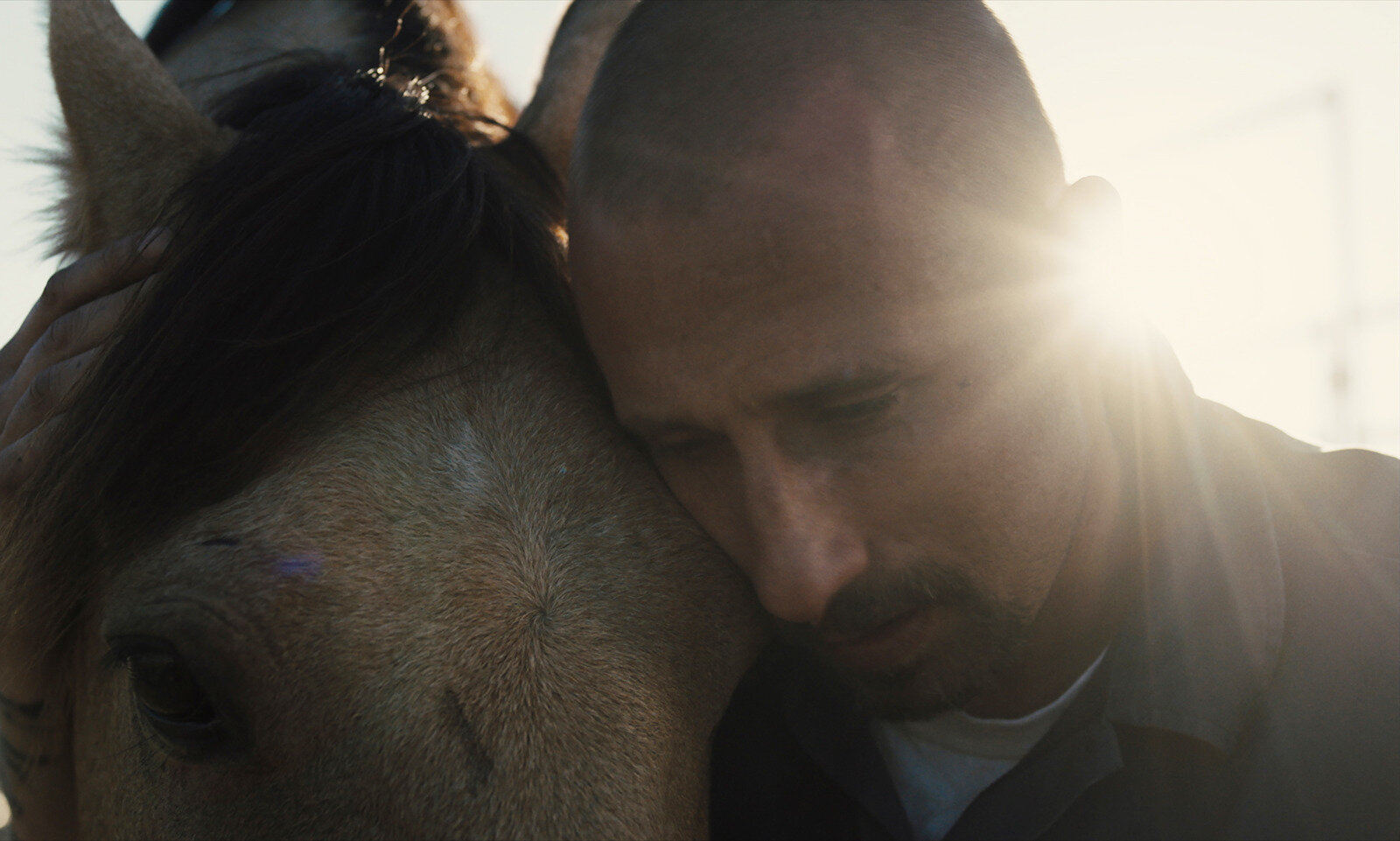
I’ve never seen Matthias Schoenaerts in a film before so, with this being my introduction to him, I’m rather impressed by how much I’ve been missing out on. I sorta had the same reaction to him as I had with Olivia Colman in The Favourite where I don’t know who this performer is but I wanna see everything they’re in because their performance in said movie is outstanding. His character Roman is one whose actions speak louder than words, and throughout the film you feel that temper and the psychological heft of isolation weighted on his shoulders without any dialogue. Those are the best kinds of performances that move me: the ones where you know a character’s emotion by reading their expression. This guy has been moved from a maximum security prison where it was just him, caged like an animal, to a smaller prison, now having to deal with a bunkmate and other people. So, when he meets this Mustang that he names Marcus, all caged up, you sense that connection that’s going to be the emotional core of the story. This is a flawed character with a straightforward arc which features aspects to him that you emotionally resonate with. From his dreaded daily routine in incarceration to his strained relationship with his daughter, you feel so sorry for Roman.
The relationship that Roman shares with this Mustang that he must tame is a bit too on-the-nose. You have this dangerous man and this dangerous horse who are both out of control. Both unstable. When it comes to human-and-horse movies, this kind of reminded of (bear with me here) Spirit: Stallion of the Cimarron. Y’know that 2002 Dreamworks Animation movie?

Spirit was taken from his home and held in captivity, as was the Native American who was imprisoned by colonists. They saw themselves in each other, a bond was struck, and a friendship began. The Mustang walks those familiar narrative lines as Spirit, but all be damned if it didn’t strike the same genuine emotion as that. To integrate another Dreamworks joke, you might as well call this, How to Train Your Mustang.

Also, I have to give credit to the incredible supporting cast. Jason Mitchell is a bit of a comic relief to alleviate the scenes and add life and charisma while Roman is all gruff and angry. Then, you have the legend Bruce Dern as the head of the Wild Horse program who has trained horses for years and gets Roman off his ass and enlists this huge responsibility. He oftentimes steals the show and has powerful moments. The performance I was thoroughly impressed by was Gideon Adlon as Roman’s pregnant daughter who is his only contact to the outside world beyond prison. The way she’s written is so grounded and human that whenever Schoenaerts and Adlon would share a moment, I felt like I was eavesdropping on a conversation I had no business listening in on. The conversations are so authentic that it took me way too into the movie.
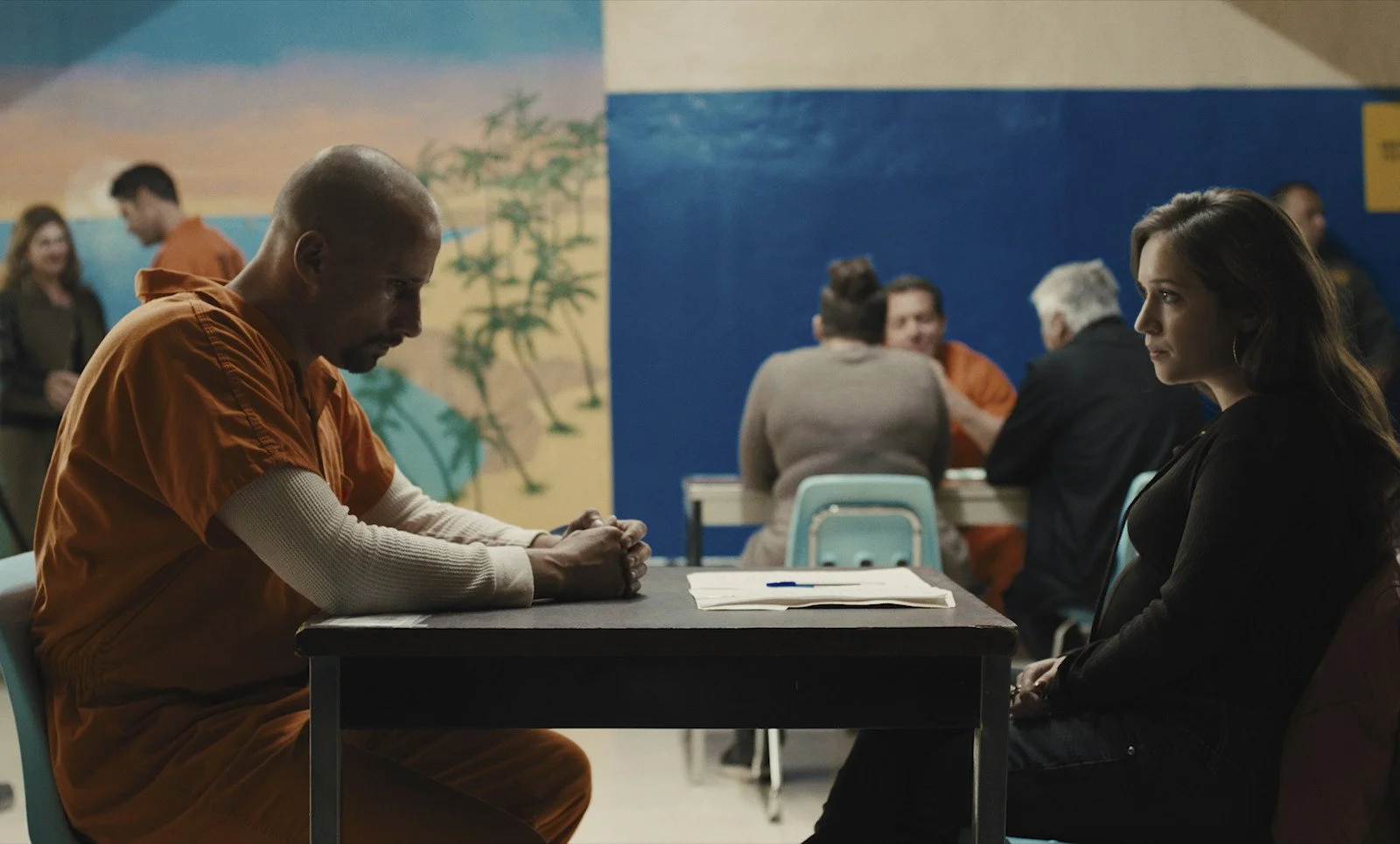
Given to any other set of screenwriters, they would’ve made Adlon’s character (Martha) bratty or condescending, but she’s not. She's not bratty by any means, but she feels real. When she visits her short-tempered father, you feel the pain of the past illuminate on both ends and how much that corrupts with their present relationship. Adlon’s performance is great and for this being her second feature after Blockers, she’s on the road of becoming a really powerful performer. Just like Geraldine Viswanathan who was also in Blockers and moved on to a dramatic role after. The range that they have. So powerful.

While the film captures a grounded examination of incarceration mixed with animal captivity, it does dive into an unnecessary area of cliché. I’ll break down the layers of stories the film has present. The A story is the relationship between Roman and Marcus the Mustang and trying to keep him tame. The B is the relationship between Roman and Martha. The C is Roman accepting the actions of the past and learning control and patience. And, for some reason, there is a D. There’s a random pivot to where Roman has an antagonist, which is his bunkmate that threatens him and his family and causes trouble if he doesn’t get him drugs. Where that subplot goes adds another layer of relevancy which occurs in prisons, but in accounts of this film it’s unnecessarily tacked on. It kind of loses part of the focus of the main meat of the narrative. The strongest suits of the film are the exploration and observation of imprisonment, the strained relationship between Roman and his kid, and most of all the horse’s purpose. The finale gets as cheesily familiar as every animal movie ever, but for the integrity it maintains till the end, I give it the utmost praise.
The Mustang is a powerfully character-driven drama which boldly examines the reality of incarceration and animal captivity while providing incredible performances and an impressive debut by Laure de Clermont-Tonnerre.
Rating: 4/5 | 88%

Super Scene: Martha’s final visit
