
The Best of Enemies Review
PG-13
STXfilms, Astute Films
2 hrs and 13 Minutes
Writer/Dir: Robin Bissell
Cast: Taraji P. Henson, Sam Rockwell, Babou Ceesay, Anne Heche, Wes Bentley, John Gallagher Jr., Bruce McGill
Release Date: April 5th 2019
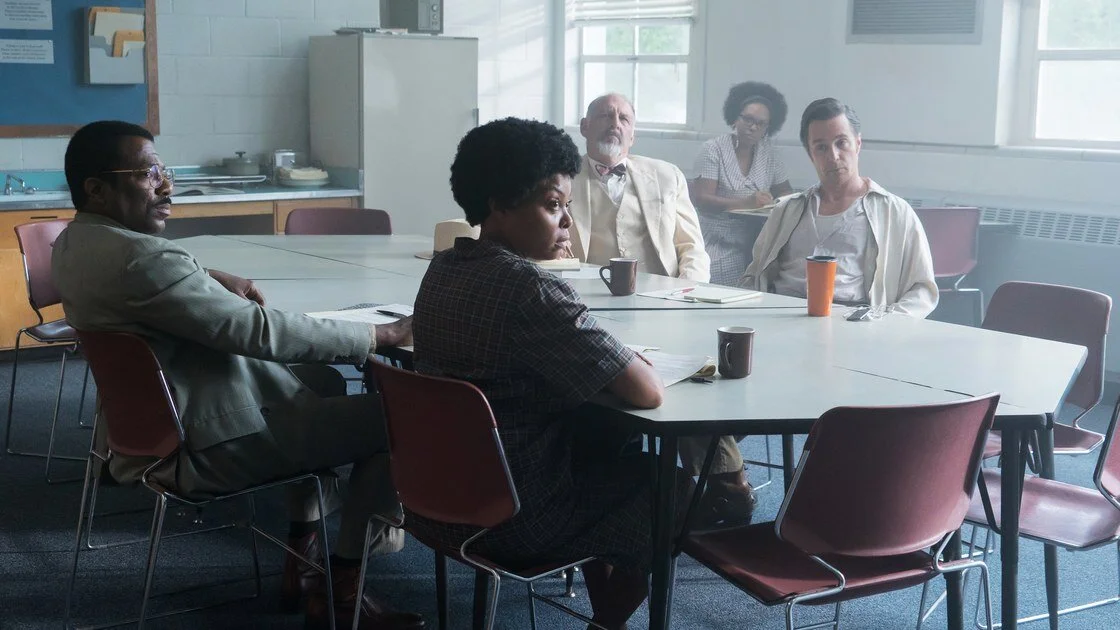
Based on a true story, THE BEST OF ENEMIES centers on the unlikely relationship between Ann Atwater (Henson), an outspoken civil rights activist, and C.P. Ellis (Rockwell), a local Ku Klux Klan leader who reluctantly co-chaired a community summit, battling over the desegregation of schools in Durham, North Carolina during the racially-charged summer of 1971. The incredible events that unfolded would change Durham and the lives of Atwater and Ellis forever.

Admittedly, it goes without saying that the central leads deliver great performances. Sam Rockwell reprises his perennial racist antagonistic role and portrays C.P. Ellis so similarly to Jason Dixon from Three Billboards Outside Ebbing, Missouri, even down to having a big gut and that distinct racist white dude strut. Yet, he still delivers a decent performance. Whenever Taraji is on screen she steals the show as Ann Atwater. She is passionate, outspoken and has so many scenes where she exhibits her talent. At this point, I call them “Taraji moments”. You know, when she delivers a powerful speech to her oppositional force with such passion that you can’t help but scream out:

I hope Hollywood knows there are more historical dramas you can make outside of stories centered on race relations. And if you decide to do one, make sure it’s not painted as transparently as The Best of Enemies. I bet the true life story between Ellis and Atwater is incredible, especially since the film actually abides by true events that occurred in these figures’ lives and ends on touching archival footage of both C.P. Ellis and Anne Atwater in their elder years, but this product is so by-the-numbers that I’m just so exhausted.
Do you notice how the trailers for this story make it seem like this is focused more on Ann Atwater? Well, it’s not!
Yeah, you thought you were walking into a Taraji P. Henson movie, but what you truly get is a Sam Rockwell movie. The primary focus of this story is C.P. Ellis, the President of the KKK during 1971 in the very blatantly racist town of Durham. I don’t know anything about the real C.P. Ellis but the way he’s written is so generic that he lacks any dimension or development. For a story centered on the rivalry-turned-friendship between a king racist and a queen activist, Bissell focuses on the king racist who leads the infamous hate group attempting to humanize his racism. By applying the most basic of tropes (which are accurate to an extent), Bissell has his audience empathizing with Ellis by focusing more on the loving care of his mentally disabled son - who resides at a psychiatric hospital - in the midst of exhorting acts of violence so the people of the community enforce white supremacy while constantly spewing out the N-word ever so often. This is the third time, three years in a row, that Rockwell has portrayed a racist figure and I’m personally getting sick and tired of it. I love Sam Rockwell so much as an actor and I don’t wanna see him typecast as the racist/country hick. Granted, he’s far less violent than his previous racially antagonistic roles, making him more noticeable in accounts of development, but the progression for it is far too bland.
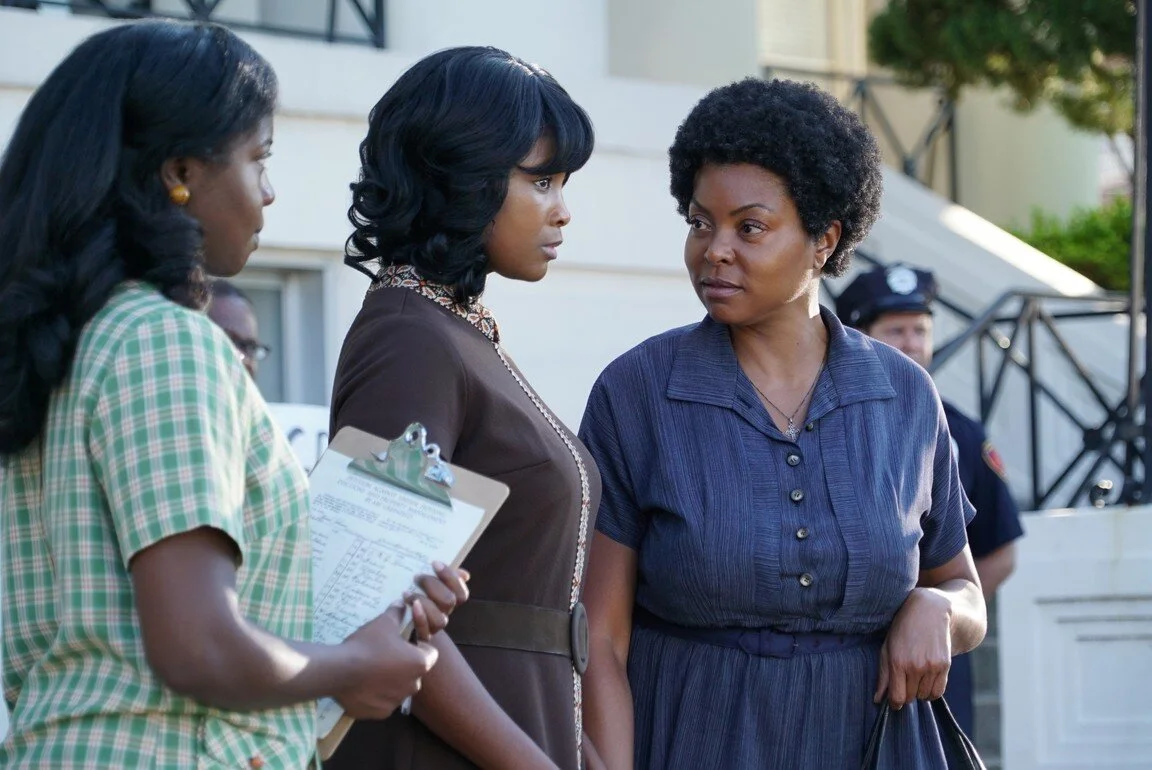
Also, God forbid we see anything from Atwater’s perspective. Given that she is a very interesting figure and Henson gives her a larger-than-life portrayal, we don’t see any dimension from her at all. Taraji is Taraji. She’s great in everything she’s in, but the archetype is way too similar to her previous roles that you know the kind of performance she’s about to bring to the table. The only difference here is that she’s wearing a fat suit. If you’re to think that Taraji transformed in any way, let it be known that she only wore a fat suit and it shows throughout. Her character doesn’t get enough screen time but you constantly root for her to win her movement for desegregation. The film’s most shining moments - the most complex of scenes - are the ones where you witness the hardships Atwater has to deal with and the moral sacrifices she had to make to end segregation in her town. But there aren’t enough strong moments like that. If the focus was set more on her, given Henson’s performance is of a high caliber, it would’ve made for a more enticing and compelling story.
As a matter of fact, both Atwater and Ellis are written so incredibly blandly that you don’t feel any true or genuine emotion towards their characters, let alone the friendship that is to be built. Both central leads are bland stereotypes lacking any true dimension that it rubs off on the community as well. The establishment of the town of Durham itself adds to the hollowness, for each person, based on their race, acts like a sheep to the person who represents them. I get this is 1971, but Bissell depicts Durham as town that wears its racism on its sleeve.
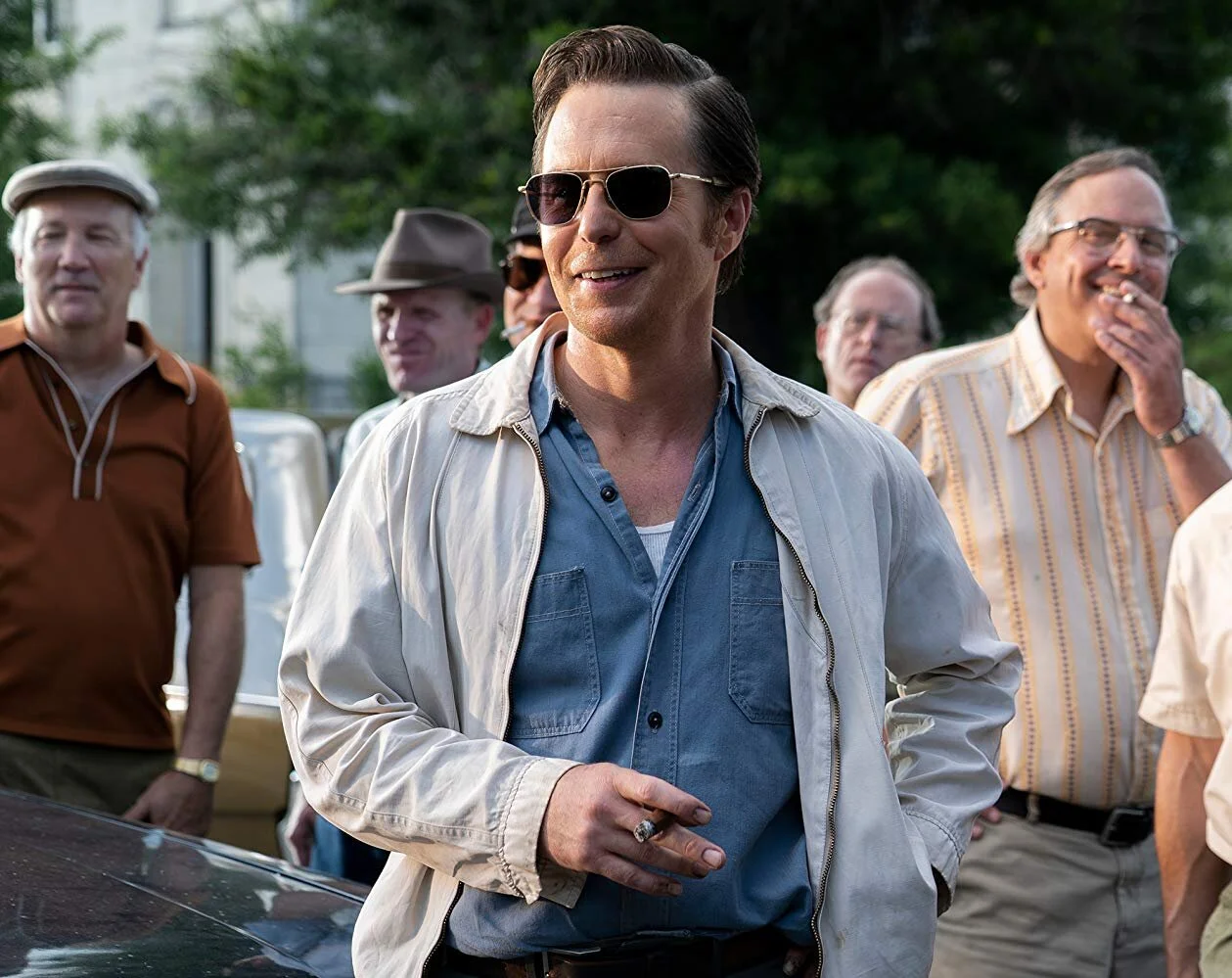
With this being Robin Bissell’s writing and directorial debut, I feel as if he needed a more unconventional angle than what’s presented here. I’m glad to say that he doesn’t resort to scenes of racial criminal violence towards Black people. There are intense moments throughout for sure, especially towards the third act, but nobody gets physically hurt and for that I commend him. That said, there are so many more interesting aspects to this story that I wanted to see, like the actual development of the leads’ friendship, instead of Ellis’ tolerance and understanding. I’ve seen that movie before. I saw it last year with Green Book. I don’t need another White filmmaker telling me a story of desegregation and formulaic race relations!
In Green Book you had the White Savior Complex, but here you have something that’s kind of worse to me: The Magical Mystical Negro. Ultimately, the only reason a friendship is developed between Ellis and Atwater in context to this narrative is because Atwater goes out of her way to deliver unexpected acts of kindness to Ellis (because, you know, kill ‘em with kindness). Reading upon the real accounts of the two figures, you can see there is more to this story outside of Atwater just being so kind.
They established a common ground in the charrettes they had to co-chair, but Bissell depicts it through Atwater’s “Love Thy Neighbor” reflection towards him. What you’re telling me is that if you love thy neighbor so much, no matter what they represent, and go out of your way for them that things might go your way? Race relations will be tolerated? You’re telling that to a Black audience?
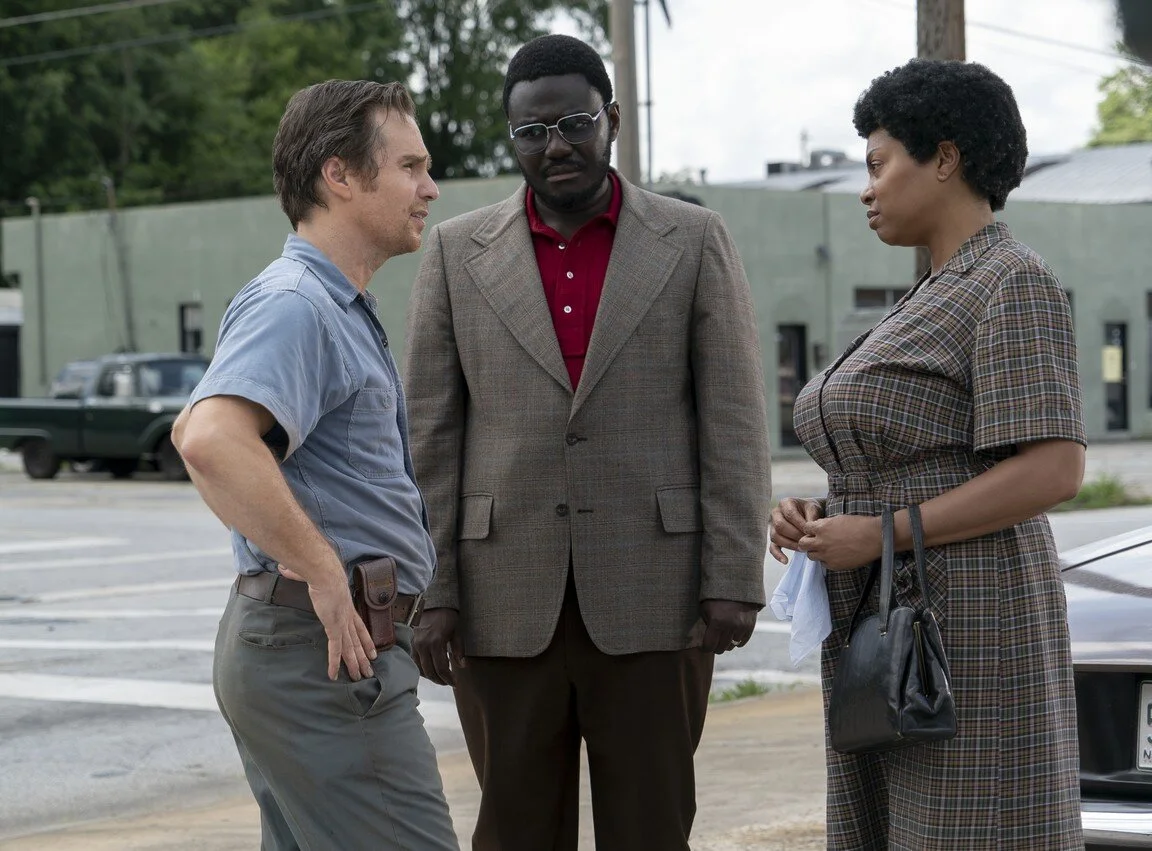
Because of that, the film suffers from a very odd anti-intellectualism theme between Atwater and Bill Riddick, the man who takes charge of this assignment from the NAACP to conduct the town’s charrette. It seems so out of character for Ann Atwater to have such a visible prejudice towards other African-Americans, either from the north or ones who have received a full education and don’t classify as “true Black folk” just because they didn’t endure the injustices she and the Black people in her town did... even though she’s fighting for kids to receive the full education they deserve. For most of the movie she refers to Riddick as “Uncle Tom” and it made me extremely uncomfortable.
The progression of Ellis’ character felt so damn artificial to me because none of the kind actions towards him were reciprocated towards the Black people in the community. I bet the story between Atwater and Ellis is special, and the friendship they share even more so, but all of the interesting aspects of the story are absent. There were real moments where Ellis held up his kindness and Bissell doesn’t take full advantage of that.
So many opportunities of truth could’ve been included to be more effective than the bare basics presented, such as Ellis actually joining in the gospel performances after the weekly meetings, dancing, with his fellow Klansman joining him as well. Or Atwater helping him go back to school because he only had an 8th grade education. Or Ellis’ actual activism that followed his decision of desegregation in schools. There are plenty of angles this friendship could’ve been presented from, especially if you’re centering it on the leader of the KKK, but no, you go for the bare HEY YOU'RE NOT SO BAD BLACK MAN BECAUSE YOU:
Act oh so kind to me
Served our country in war
Yeah, I’m done. I can do a few years without having to sit through another one of these race relation formulaic movies unless you have both a Black person and a White person penning the script.
Why do you think this movie was so great?
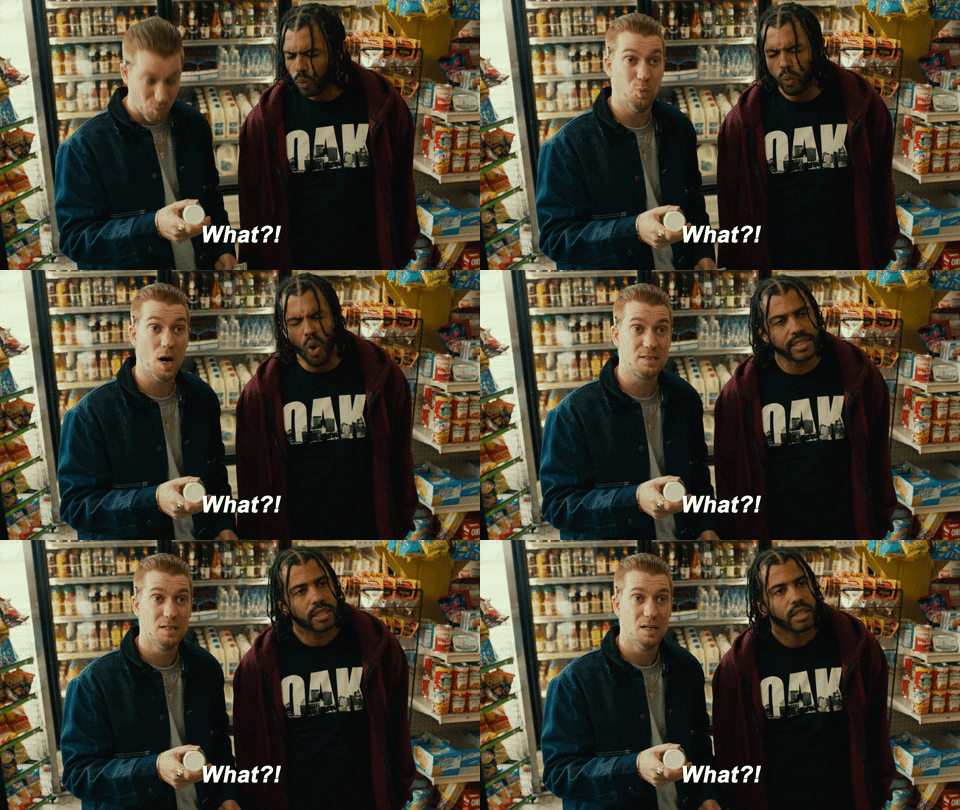
That’s Blindspotting. An underrated, unconventional, refreshing and poetic comedy-drama from LAST YEAR written by Rafael Casal & Daveed Diggs that was actually thought-provoking for the postmodernist society we live in now. I don’t need another historical drama to tell me racism happened, man! It’s 2019, there are more stories to tell. This one may be interesting and of course follows a documentary made a decade ago, but its narrative never lives up to its full potential. Even the dialogue between the leads and all the characters is so damn bland and transparent that you’re able to predict the road the narrative will head down. From the obviously crooked politicians who run the city to the Black people speaking upon their centuries of suffering, all of this is familiar and meant to enthrall the most basic of moviegoers. I was in the middle of a predominantly Black audience and most of them were over 40! That’s the movie’s demographic: old Black and White people over 40. That was Green Book’s demographic, and so is this. So, surely it’s bound to win Best Picture next year.
There are more stories besides race relations to make, Hollywood. It’s 2019. I’m over it. I’m exhausted by it.

The Best of Enemies delivers solid performances across the board, but its broad and formulaic approach to this “incredible true story” makes for another unnecessary race-related historical drama meant to entertain older and more basic moviegoers.
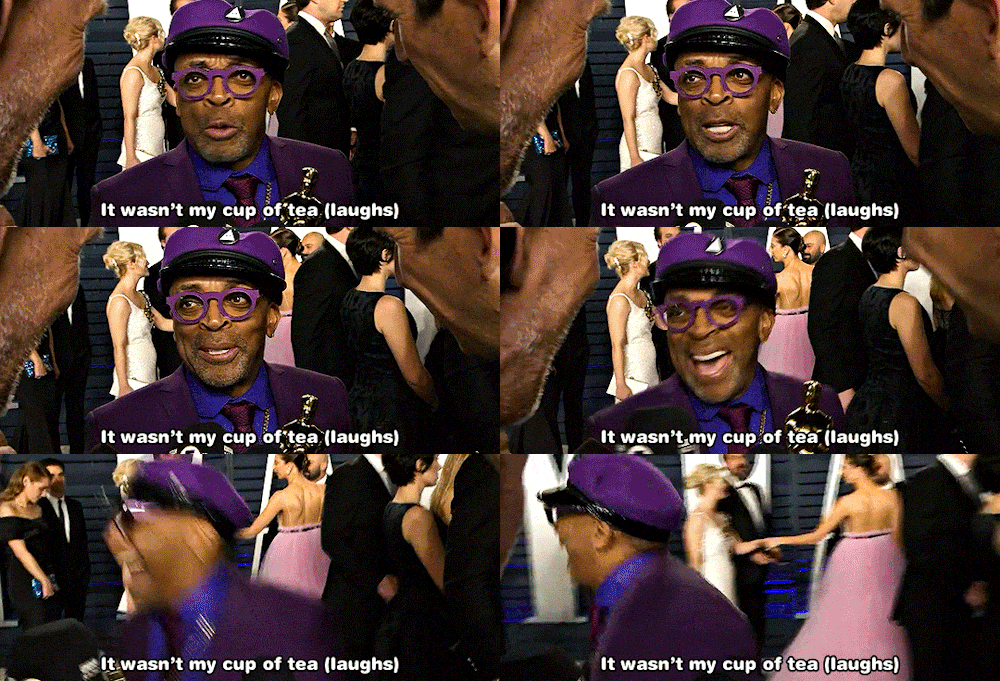
To quote Spike Lee:
Rating: 2/5 | 44%

