
'TÁR' Review: Portrait of a Maestro Under Fire
TÁR
R: Some language and brief nudity
Runtime: 2 Hours and 38 Minutes
Production Companies: Standard Film Company, EMJAG Productions
Distributor: Focus Pictures
Director: Todd Field
Writer: Todd Field
Cast: Cate Blanchett, Noémie Merlant, Nina Hoss, Sophie Kauer, Julian Glover, Allan Corduner, Mark Strong
Release Date: October 7, 2022
In Theaters Only

Lydia Tár examines the changing nature of power, its impact, and its durability in our modern world.

Cate Blanchett’s versatility is a force to be reckoned with. With nearly every role she tackles, Blanchett’s confident prowess—coupled with her powerful voice that sends shivers down one’s spine—allows her to deliver unbelievably rich performances. Blanchett always goes above and beyond to embody a role, even for filmmakers who don’t deserve an ounce of her power. She earned her latest Oscar in 2014 as Best Actress in Woody Allen’s Blue Jasmine. I think we can all agree that she deserves a more… modern Oscar win. Luckily for her, after a 16-year hiatus from writing and directing, filmmaker Todd Field (Little Children, In the Bedroom) has finally risen to give Blanchett that opportunity.
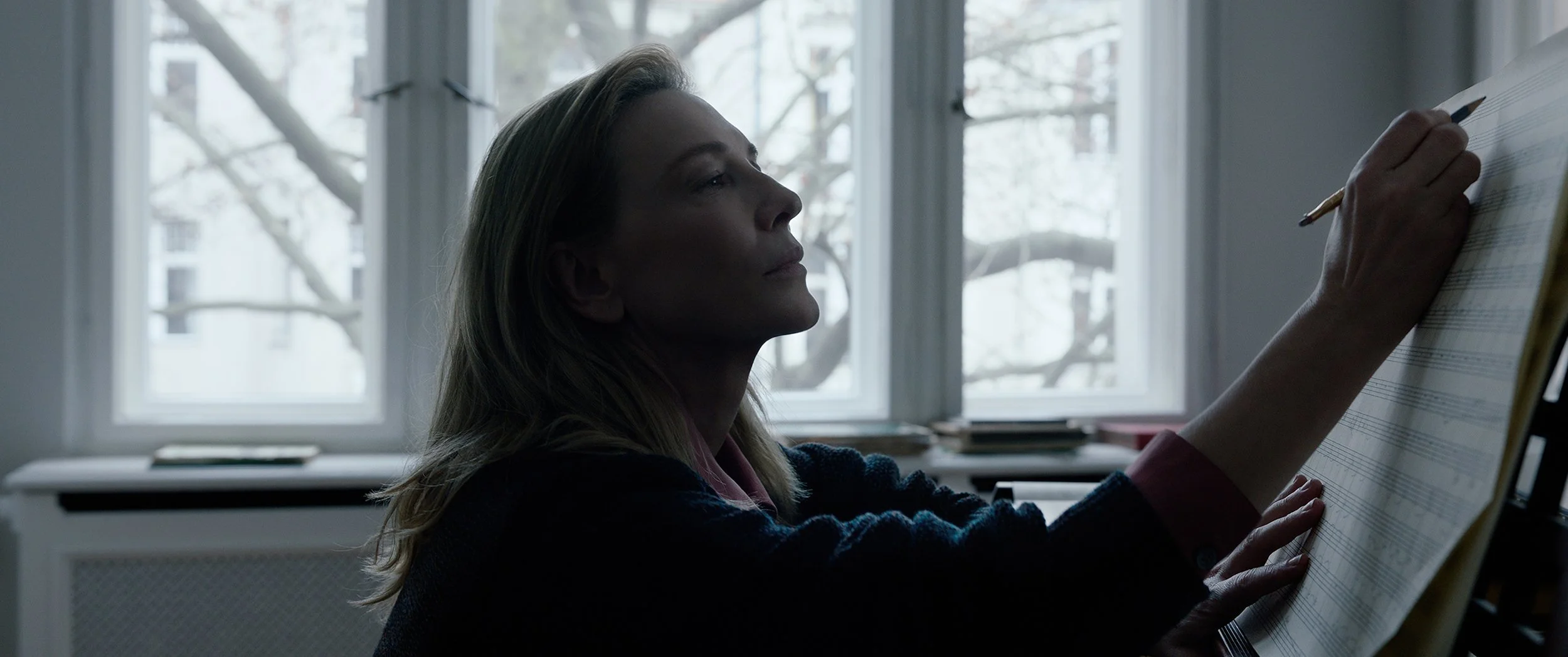
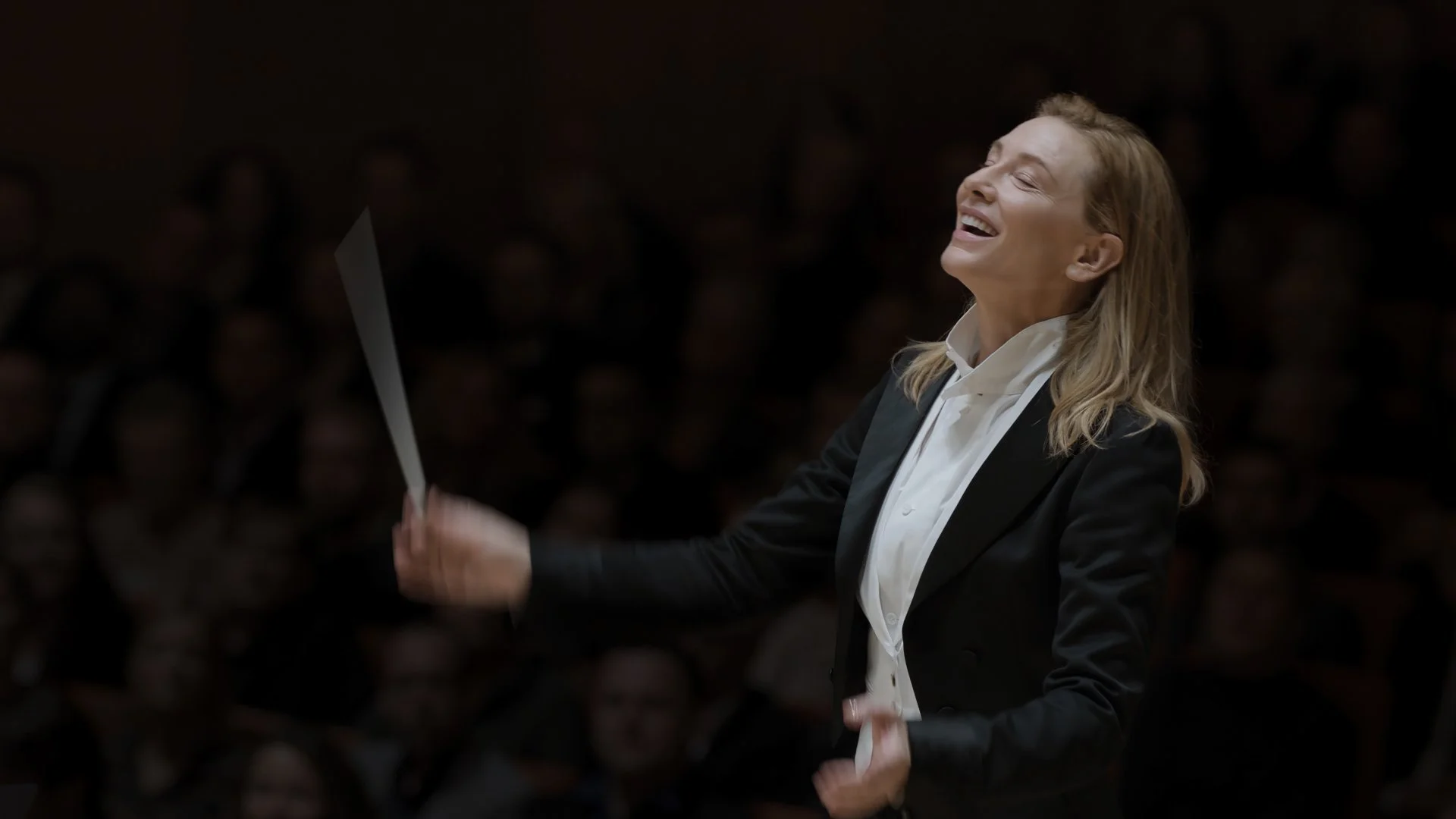
Tár presents an intimate character analysis of a fictional composer slowly losing the power she withholds. The film’s opening involves a surreal moderated interview where Field throws you at the height of composer Lydia Tár’s impressive career. She conducted multiple orchestras, including the New York Philharmonic, maintained a position as the principal conductor at Berlin’s Symphony Orchestra, had a loving wife Sharon (Nina Hoss) and adoptive daughter (Mila Bogojevic), and had a flippin’ EGOT. With those achievements under her belt, one could recognize the power the self-proclaimed “U-Haul lesbian” wielded at this point in her career.
Once Fields establishes Tár’s accomplishments, you’re strapped into the passenger seat and follow the titular lead’s busy lifestyle, witnessing the idiosyncrasies of her character when put in particular spaces. While dishing tea with a fellow maestro (Mark Strong, donning another terrible wig), butting heads with Gen-Z Juilliard students who have no interest in studying problematic conductors like Bach, and scheduling with her strained, overworked personal assistant Francesca Lentini (an exceptionally chilling Noémie Merlant), Field displays Tár’s sullen yet intoxicating ego.
As Tár and Lentini hit their home of Berlin, Field slowly unravels the maestro at work (both figuratively and literally), showcasing the sinister nature of her character and dissecting every facet of her abusive power. It’s Lydia’s way or the highway. And if you get on that highway, she’ll run right over you. This time around, Tár becomes haunted by ghastly sounds and an unknown feminine figure.
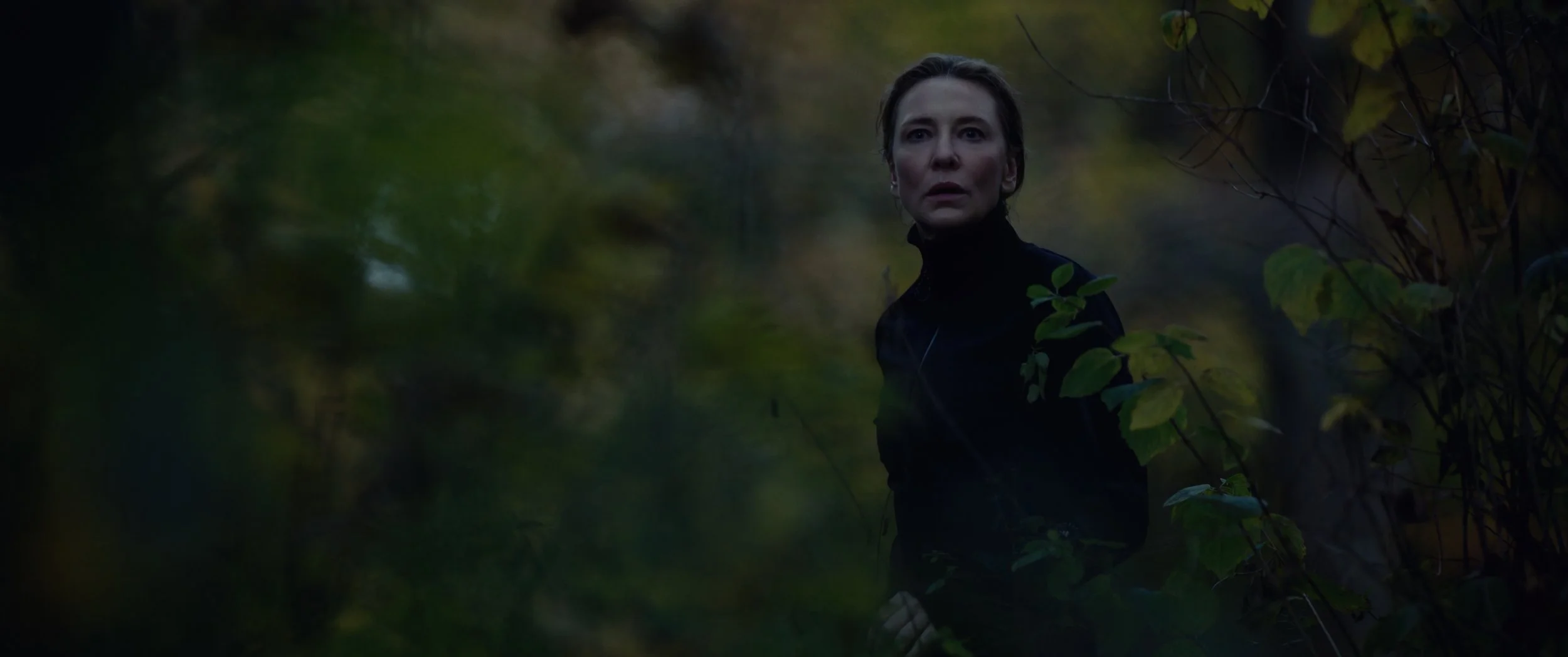
I don’t want to reveal Field’s intentions with Tár, for it’s better experienced with no spoilers. What I’ll say is that Field succeeds at exploring the psyche of his titular figure. Field's screenplay magnifies the inner workings of the maestro's realm while slowly unraveling a shocking portrait of a familiar abusive leader in power without spoon feeding the audience. Filmmakers often attempt to humanize despicable people who have done irredeemable things. Field, on the other hand, puts Tár in the limelight and slowly turns up the heat to see how she cracks when she has to face the music. Adding to the intimacy of the film’s psychoanalytic perspective is the vérité-style direction.
To say Lydia Tár is another masterclass performance by Blanchett feels like an understatement. Field said ample times during the film’s press run that the movie wouldn’t have been made if Blanchett had turned the project down. Watching her embody this character and exhibit her intense complexities from start to finish is proof of that. Only a performer like Blanchett can bring subtlety to this self-obsessed, obnoxious archetype while being utterly intoxicating. THE VERSATILITY!
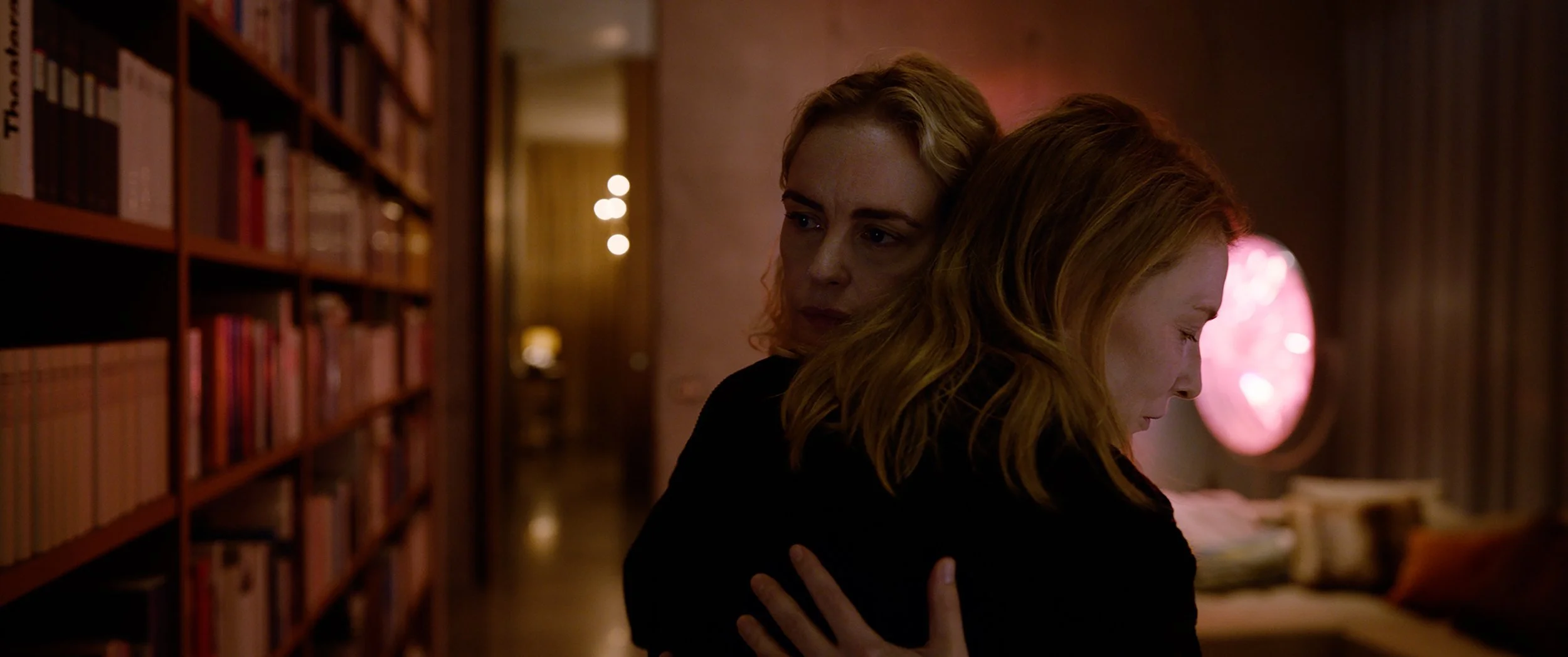
The supporting performers in the orchestra also deliver breathtaking performances. Nina Hoss is a quiet force of nature as Tár’s spouse, Sharon. The history of their complicated relationship is worn on her face. The same goes for Noémie Merlant, who is chilling in her first English language role. Hoss and Merlant's respective characters share a similar burden that they react differently to. Sharon, given her closer relationship with Lydia, can call her out on her bullshit. Listen, awards season talk is infiltrating my review system, but by God, Nina Hoss gave one of the most incredible supporting actress performances of the year.

Todd Field’s Tár is a remarkable psychological drama that analyzes and deconstructs a narcissist maintaining her power with a bold bravado and intimate lens. Cate Blanchett’s complex career-defining performance paired with Field’s ingenious screenplay is a match made in heaven. It’s a rollercoaster ride that discusses creatives in power slowly watching their influence dwindle from a modern lens. It depicts that gray area more than most movies that discuss the same topic. Todd Field’s return to filmmaking was worth the wait.

