
'Halloween Ends' Review: David Gordon Green's Halloween Finale Falls onto its Own Knife.
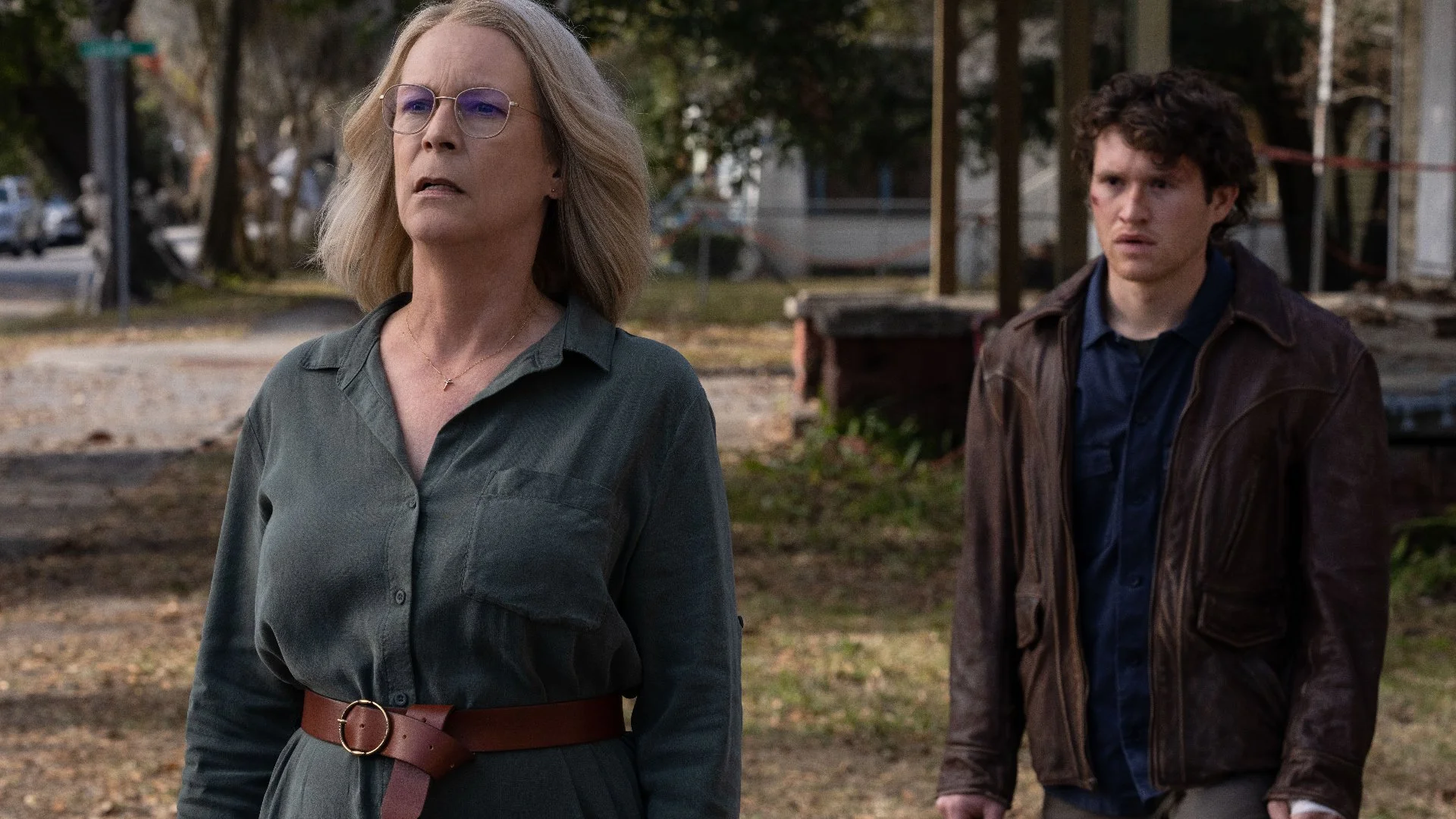
Halloween Ends
R: Mild peril and thematic elements
Runtime: 1 Hour and 51 Minutes
Production Companies: Miramax, Blumhouse Productions, Trancas International Films, Rough House Pictures
Distributor: Universal Pictures
Directors: David Gordon Green
Writers: Paul Brad Logan, Chris Bernier, Danny McBride, David Gordon Green
Cast: Jamie Lee Curtis, Andi Matichak, James Jude Courtney, Will Patton, Rohan Campbell, Kyle Richards
Release Date: October 14, 2022
In Theaters & Peacock
This is Laurie Strode's last stand. After 45 years, the most acclaimed, revered horror franchise in film history reaches its epic, terrifying conclusion. Laurie Strode faces off for the last time against the embodiment of evil, Michael Myers, in a final confrontation unlike any captured on-screen before. Only one of them will survive.
David Gordon Green’s Halloween trilogy—like many modern legacy sequel trilogies—has experienced a significant dip in quality. The aimless storytelling from Halloween (2018) going into Halloween Kills just about gave everyone whiplash. The frustrating choices include Laurie Strode (Jamie Lee Curtis) getting sidelined in the hospital for most of the runtime, Anthony Hall relentlessly shouting, “Evil dies tonight!”, and Judy Greer’s Karen Strode getting wrecked by Michael in the finale. This contributed to my hesitance walking into Halloween Ends. Now that the finale to this middling reboot has arrived, it’s fitting to say that Halloween Ends does, indeed, end the trilogy.
Co-writer/director David Gordon Green is magnificent at crafting effective cold opens that establish the tension and malevolent atmosphere that plagues Haddonfield, Illinois. That may come across as a backhanded compliment, but I’ll be damned, Halloween Ends is no exception; It presents an intriguing inverse of the original 1978 opening. Whereas a young Myers kills his babysitter (who was also his sister) in the original film, this entry introduces Corey Cunningham (Rohan Campbell), a babysitter who accidentally kills the kid he was watching.
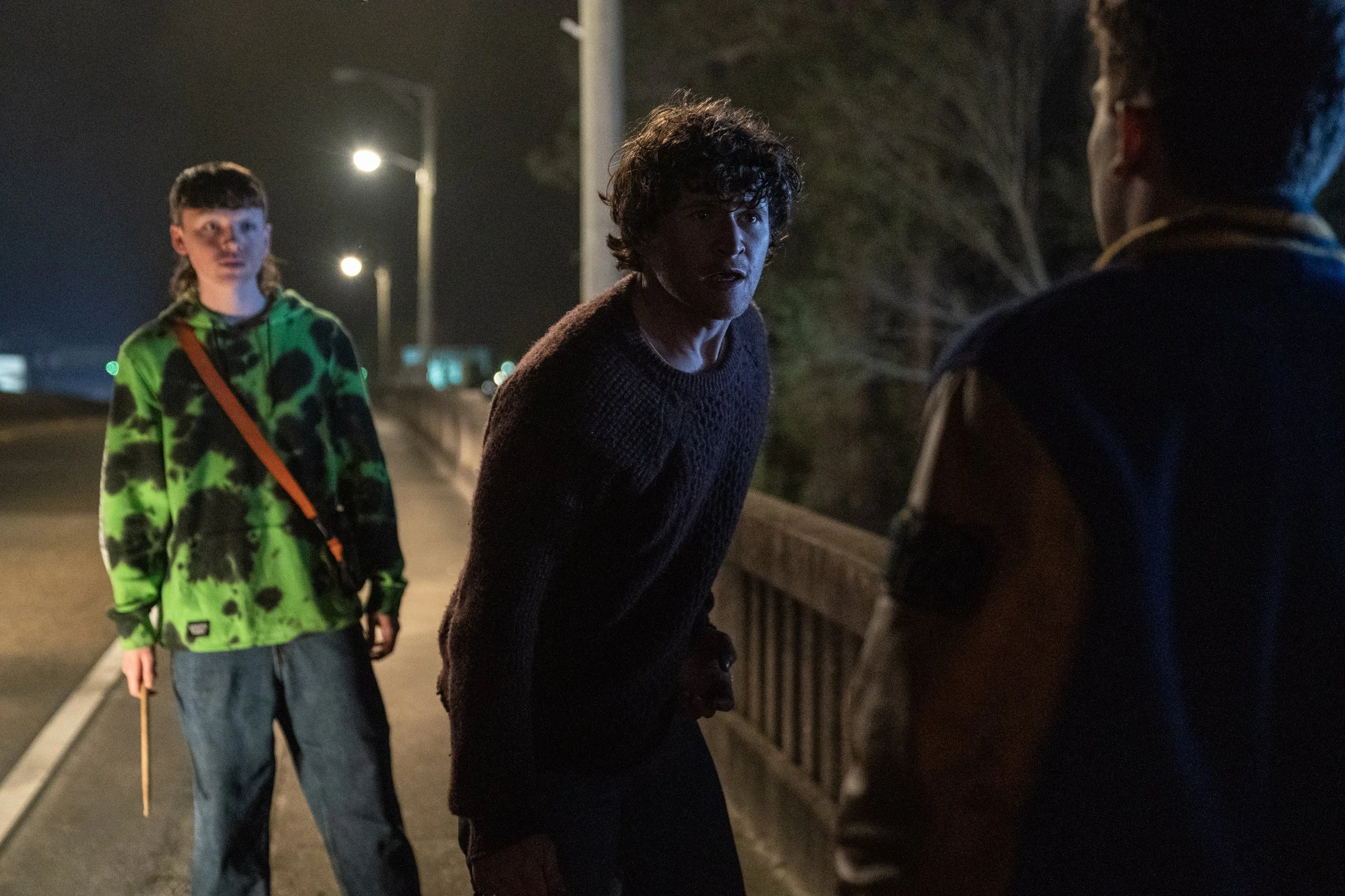
A few months after his incident, a “not-guilty” Corey becomes Haddonfield’s pariah and the hatred towards him marks him as a contrast to Laurie Strode. Since Kills was too big for its britches with its blatant allegory of how infectious evil is, Ends shows Green revisiting that concept through Corey. Thankfully, the lack of chaos onscreen allows the story to focus and stand on its own without rehashing past events.
Set four years after Kills, Michael Myers ripped a page out of the book of Pennywise and went into hiding. Meanwhile, Haddonfield became as grimy as a Floridian county. Everyone in the community became assholes, ostracizing Strode and Cunningham. One scene features teenage band kids bullying Cunningham—I know, what a fantasy—in a parking lot before Strode defends him. The band leader describes them as the “psycho” and the “freak show”. The seeds of the metaphor for evil are there, but have as much impact as a rubber knife hitting one’s chest.
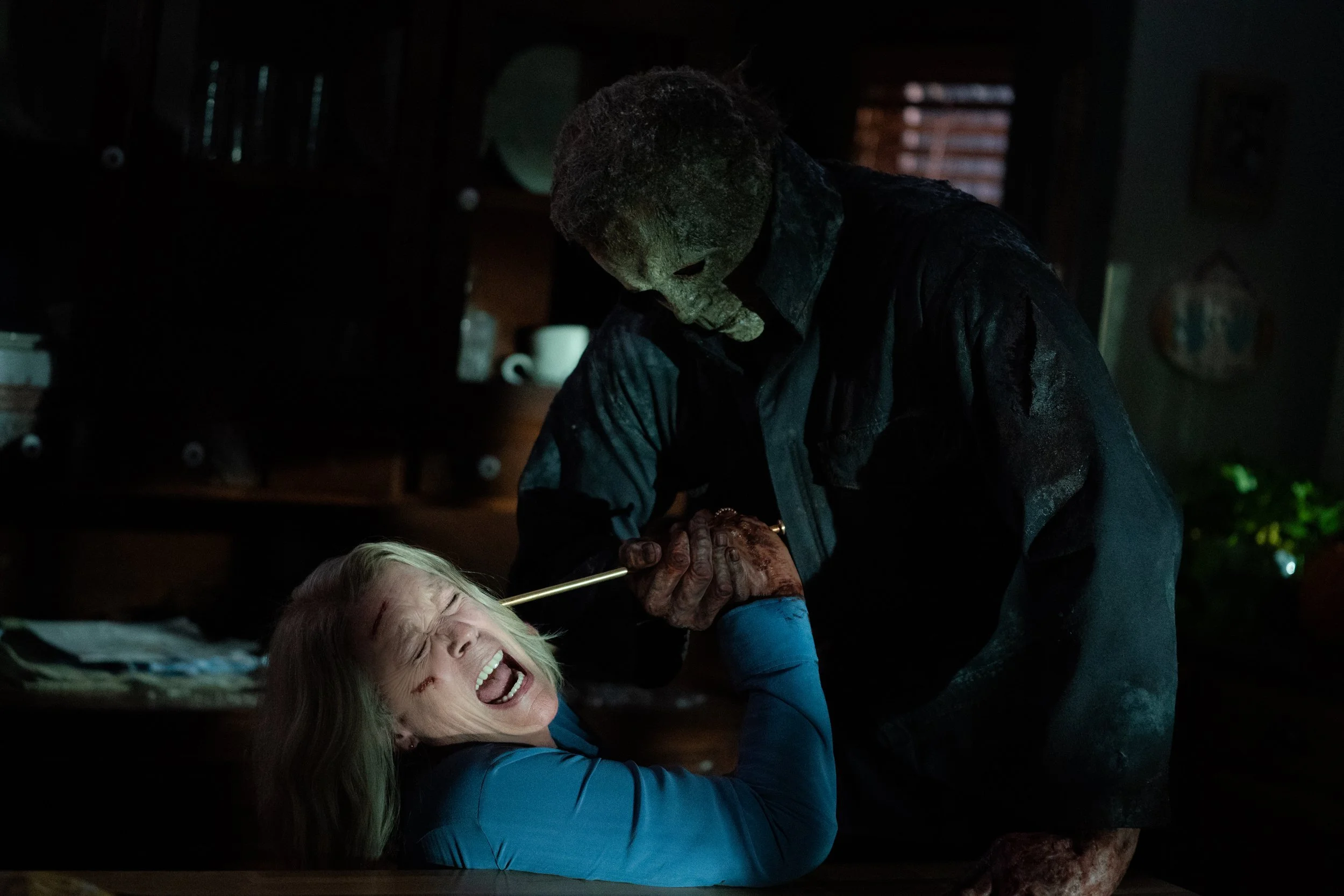
The marquee showdown between Laurie and Michael is excellent. The climax is the only time the film is genuinely thrilling and gleefully violent. Without giving too much away, the conclusion to Strode and Myers’s decades-long beef has arrived. Plus, I’m sure I don’t have to explain how great Jamie Lee Curtis’s performance is. She worked with what she had and walked away unscathed. Can’t say the same for everyone else, though.
Unlike the two previous entries, David Gordon Green takes an ambitious approach to deliver a new kind of Halloween movie that doesn’t play like a Halloween movie at all. It instead becomes a YA novelization of Joker with the Halloween brand splattered over it.
The majority of the screen time is dedicated to Corey Cunningham becoming this new generation's spirit of evil. The writers make him Haddonfield’s punching bag while his only solace becomes Allyson Strode (Andi Matichak), who instantly falls head over heels for him. Why? Because he’s a basic white man with glasses? I don’t know why white women do what they do.
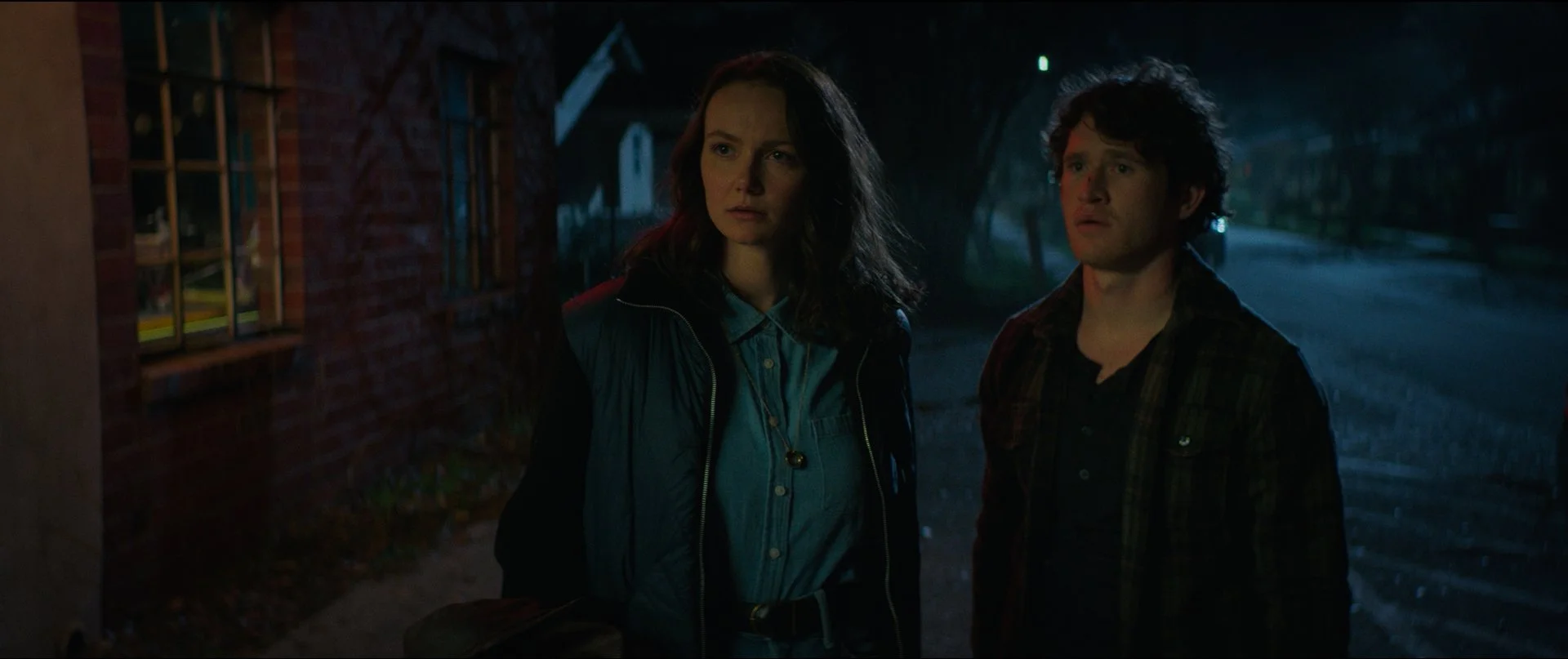
Eventually, the bullying leads him to find Michael Myers, who appears too late into the game. Instead of getting Michael merc’ed, Corey becomes his accomplice. Strangely enough, the two become a besties tag-team duo—an idea that sounds awesome on paper but is lackluster in execution.
As someone who loves when a sequel strays from rehashing and presents new ideas, Halloween Ends doesn’t land a single hit. Missing swings gets the batter off the field, but there’s no limit for hitting foul balls. One can imagine how frustrating it must be to watch a constant string of foul balls. That’s what this film is from beginning to end.
None of the four writers (Gordon Green, Danny McBride, Paul Brad Logan, and Chris Bernier) had a clear vision for how to end this messy trilogy. Due to the repetitiveness in Kill’s story, it’s now far too late for them to venture into the unknown with ambitious decisions. The motif of evil transpiring is muddled since every death in Haddonfield has cathartic due diligence. There’s no sympathy for the victims in Corey and Michael’s warpath because they all provoke it. The kills are nothing to write home about and the majority of them belong to Corey, who forcibly passes himself a torch he didn’t earn.
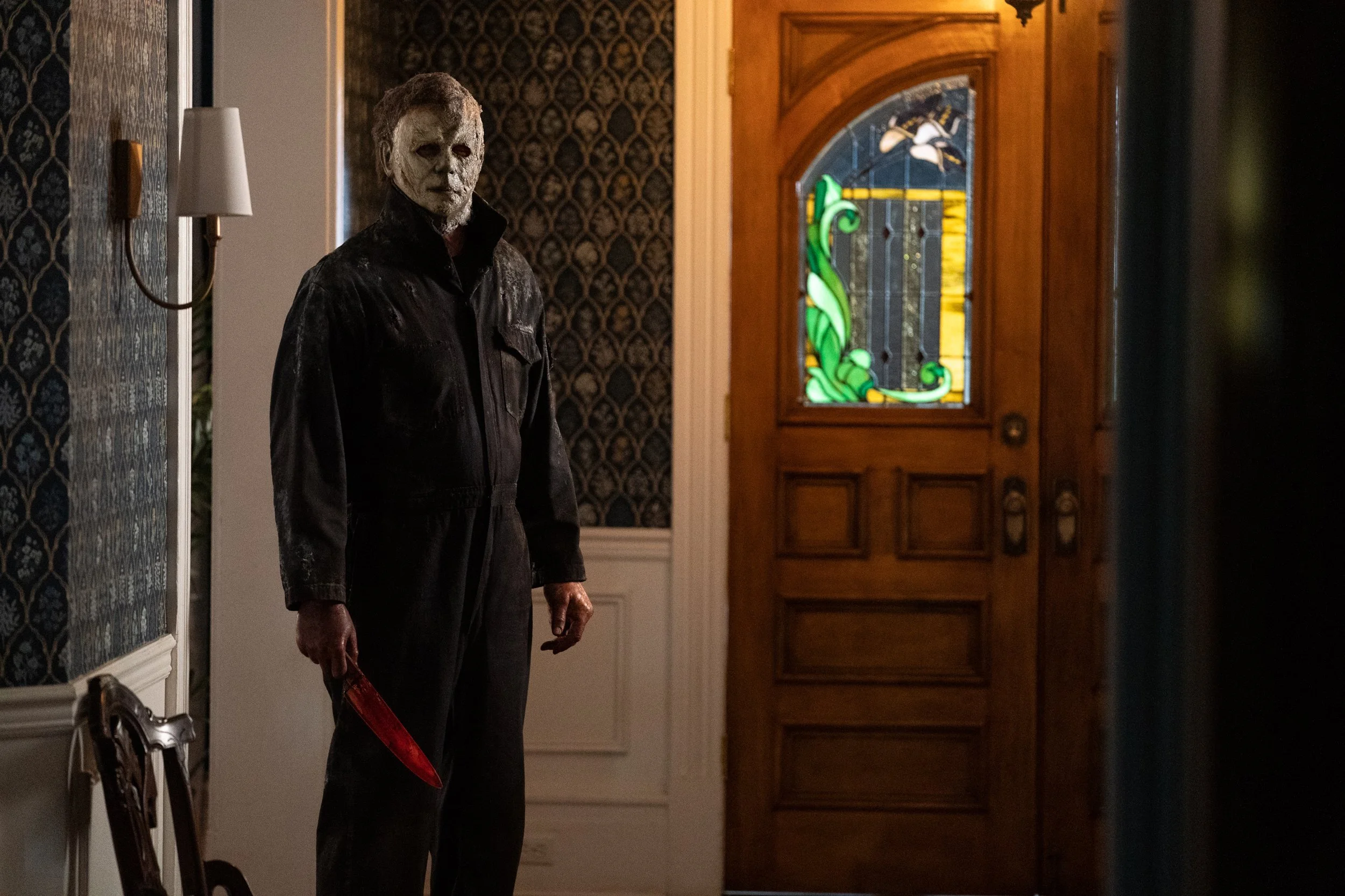
What makes matters worse is that Corey Cunningham is a dull character. Actor Rohan Campbell gives as much effort as Robert Pattinson did in Twilight. He’s always hunched over, looking more like an incel than a murderer, and doesn’t even have a sliver of the presence that Myers has. Because all the attention is placed on him (in a movie that should be about the Strodes), Laurie and Allyson are written like an afterthought.
Remember how the last few films did a decent job elaborating on Laurie’s trauma while boosting her skillset? Remember how they set up a generational and feminist-angled Strodes v. Myers climax with Allyson and Laurie? Most importantly, remember when Kills said that Michael Myers is an unstoppable supernatural entity? That’s all thrown out the window to push a lame romance between Corey and an appallingly annoying Allyson that plays like a middle school fan fiction. Laurie’s endless paranoia (that inspired this reboot to begin with) is dropped entirely while Allyson has nothing to work with. The two were built to be fighters against an evil entity, yet they’re now at odds because of Allyson’s attachment to this basic white dude who has no personality. Their romance being pushed as a form of conflict for Laurie and Allyson is just as silly as the concept of band kids being bullies.
I can’t tell if Halloween Ends is the most ambitious entry in the franchise to date or the worst multi-million-dollar fan fiction to hit the big screen. The showdown between Laurie and the Shape is worth the wait, but the new ideas the film presents to get there are a chore. What a way for this reboot trilogy to conclude: falling onto its own knife.

