
Greta Review
R: For some violence and disturbing images
Focus Features, Sidney Kimmel Entertainment, Starlight Culture Entertainment, Screen Ireland
1 Hr and 38 Minutes
Dir: Neil Jordan | Writers: Neil Jordan, Ray Wright
Cast: Isabelle Huppert, Chloë Grace Moretz, Maika Monroe, Colm Feore, Stephen Rea, Zawe Ashton, Graeme Thomas King
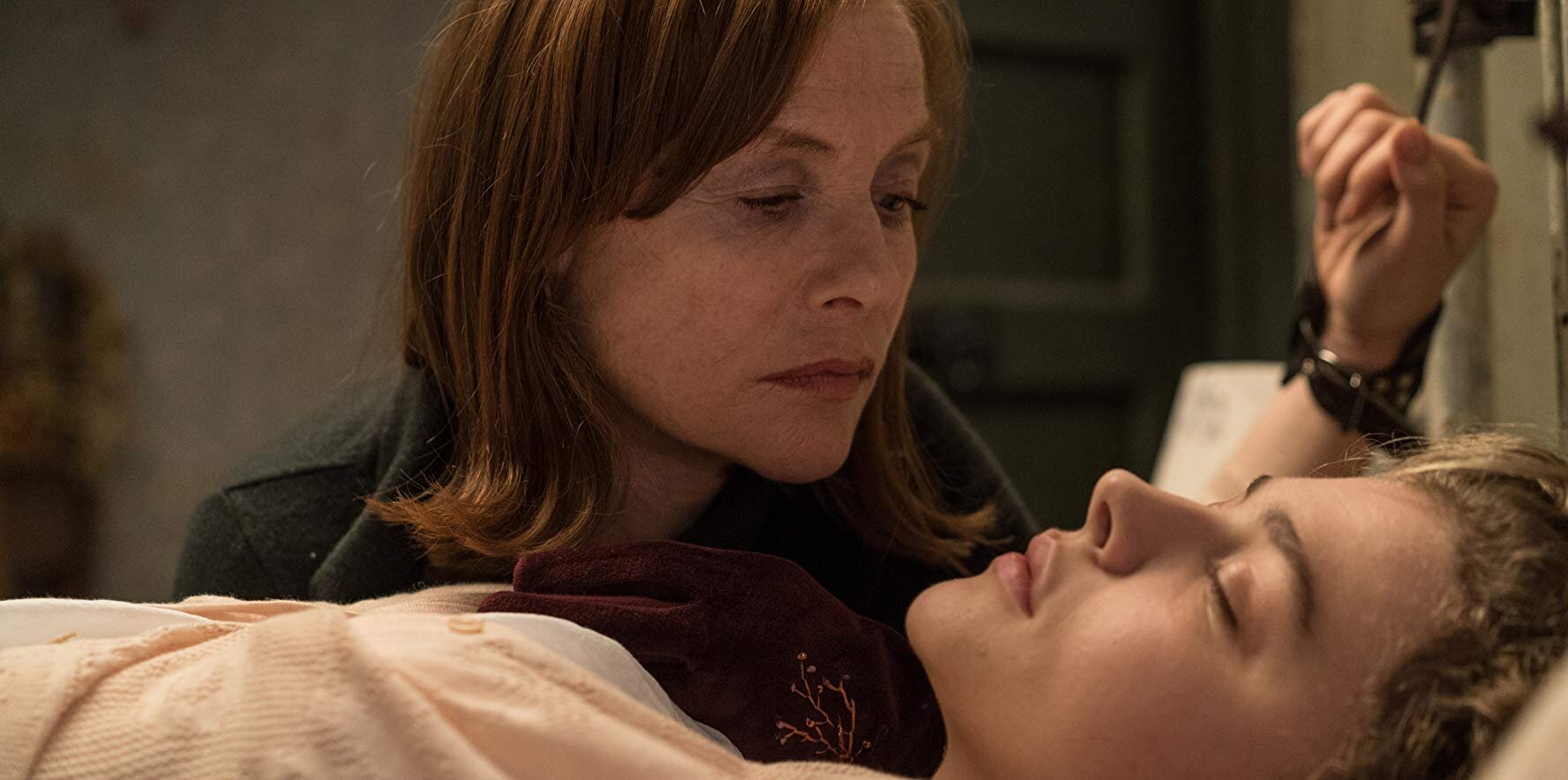
A sweet, naïve young woman trying to make it on her own in New York City, Frances (Chloë Grace Moretz) doesn’t think twice about returning the handbag she finds on the subway to its rightful owner. That owner is Greta (Isabelle Huppert), an eccentric French piano teacher with a love for classical music and an aching loneliness. Having recently lost her mother, Frances quickly grows closer to widowed Greta. The two become fast friends — but Greta’s maternal charms begin to dissolve and grow increasingly disturbing as Frances discovers that nothing in Greta’s life is what it seems.

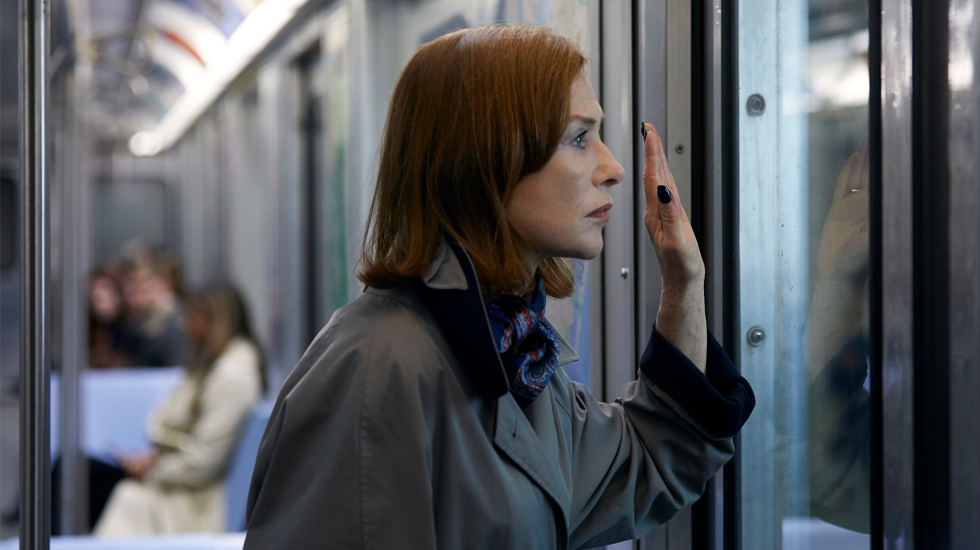
Isabelle Huppert. What a performer. For an actress who originates from Paris, and predominantly stars in French features, she does a great job in English language films and Greta is another one of those entries. The range she has as a performer is impeccable. Throughout the film, Huppert maintains this high charismatic energy for this character who is a blend of charm and insanity (similar to many psychos, i.e Ted Bundy). Granted, even though she’s not that subtle and snaps quickly, Greta has this irresistible energy that is problematic but so damn entertaining to watch. She’s unpredictable in her actions and keeps you on your toes wondering what she’s bound to do next. Huppert delivers an outstanding performance and so does Chloë Grace Moretz.
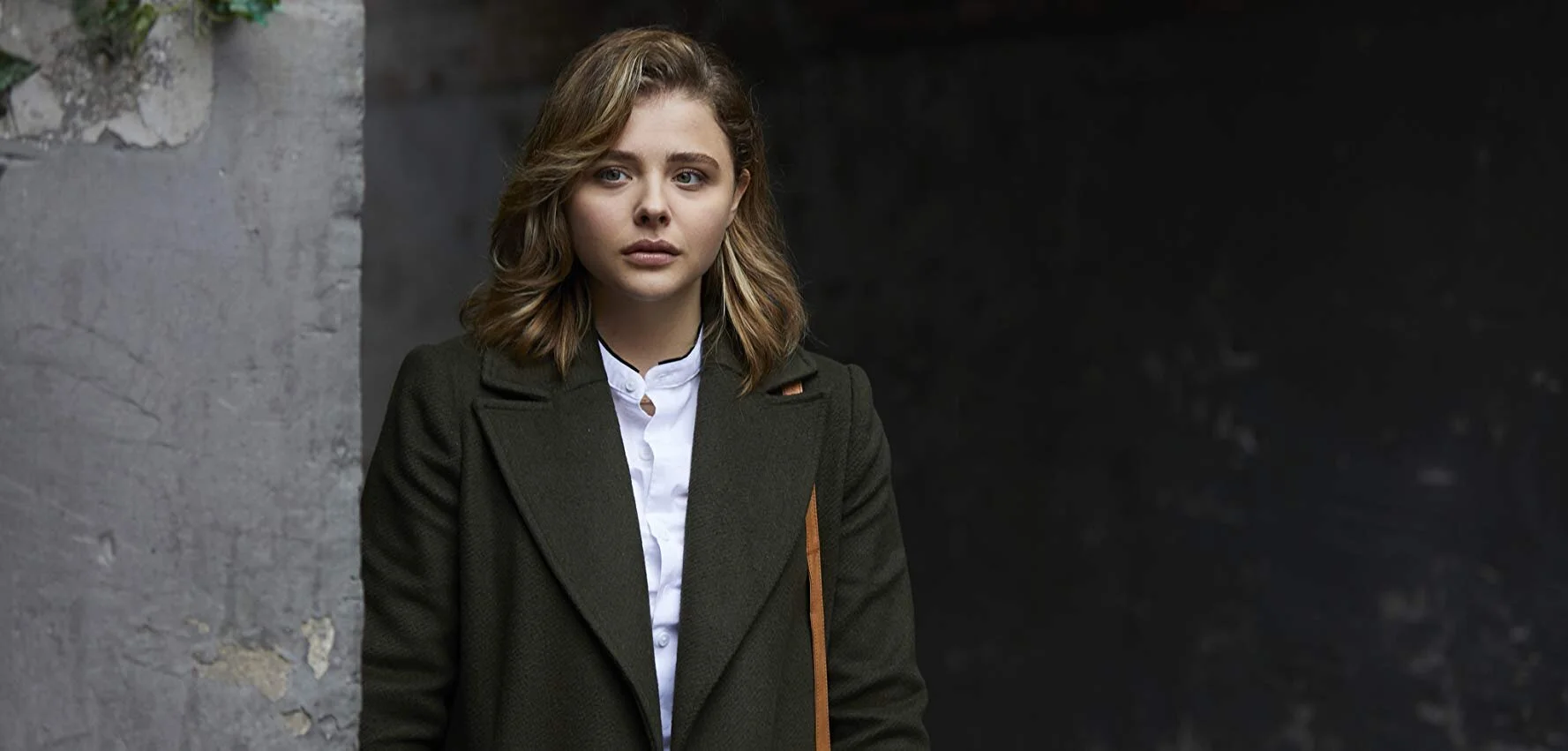
First off, I’m glad to see Moretz on this streak of performances that display her many abilities. Here, she dives more into physical work and showcases a relatable state of fear through her actions and expressions.
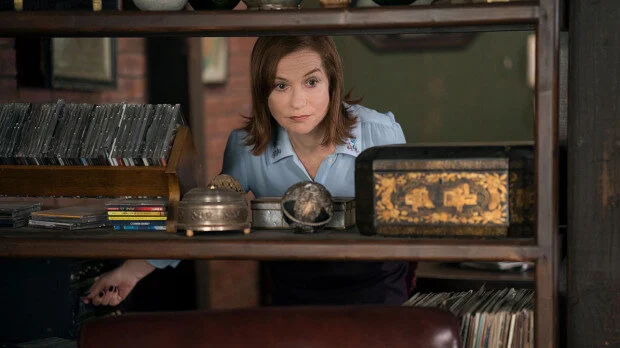
I love the initial setup of the story. The first act moves at a very fast pace and I’m fond of how characters are established, for it immediately displays the central characters. It is a story set in NYC, but you can tell they’re not from NY because of how they’re characterized. Francis (Moretz) is a small town girl from Boston and wears her kindness on her sleeve. So, throughout most of the movie, that kindness is tested by this crazy stalker woman who just can’t seem to let her be. Their dynamic, whether they’re friends or foes, is the driving force of the film and both of their performances keep the entertainment on a large scale.

A lot of the dialogue throughout the film made me uncomfortable and it felt like weird old men trying to be hip. As it turned out, I’m exactly right! While I’m commending the work of the performers (credit to Neil Jordan’s direction), the true criminal of the stalker thriller is its mess of a screenplay penned by Jordan and Ray Wright. Seriously Hollywood, please stop letting old white men write characters in their 20s because our dialect is nowhere near as terrible as Francis’ and Maika Monroe’s character Erika. But I have to primarily single out Erika. There are way too many suspensions of disbelief the film asks you of, but the first comes early in the form of Francis’ roommate Erika, who is a spoiled rich girl with no awareness or affection towards others. They have this friendship, but not for a second does it feel completely organic. She says the cruelest things to Francis and, while she’s proven right at times, Francis completely forgives her in an instant.
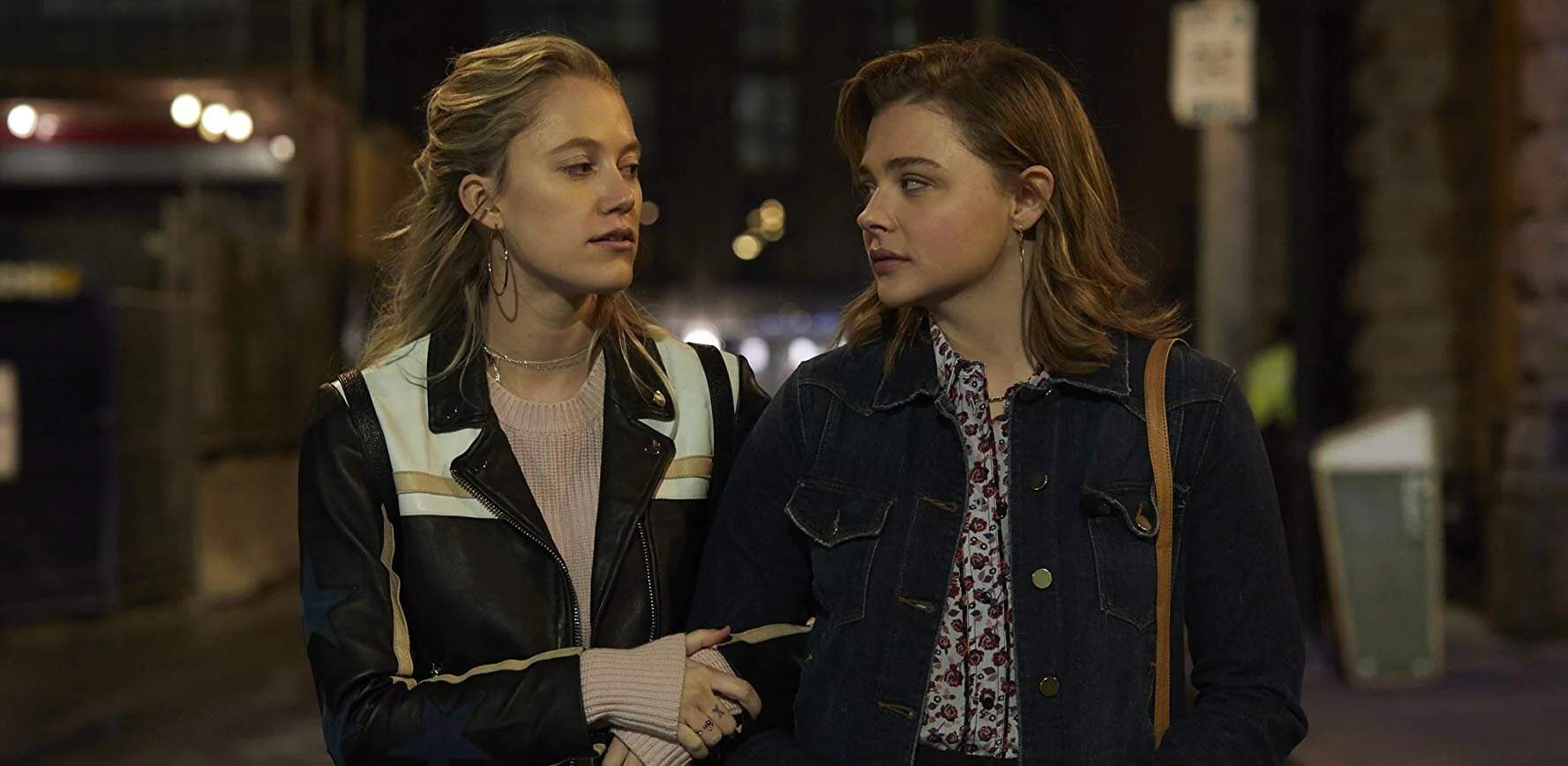
Erika is in the right sometimes, but she spends most of the film being a terrible friend to Francis and absolutely no development goes through their relationship since there is a major significant aspect that comes to play later in the film. It’s not only the way she acts that I have a problem with, but it’s mostly the things she says that no other person living in NYC would ever say. For example, there is a scene where a delivery man delivers flowers for Francis (sent by Greta) but Erika opens the door and says, and I quote, “If those are for me, I swear I would dry hump you right now,” and the delivery guy responds with, “I wish.”
WHO THE HELL WRITES THAT?! NOBODY IN THEIR 20s WOULD ACTUALLY SAY THAT! My best friend/copy editor is a 24-year-old woman and when I texted her about that scene, her response was, “I... truly hate male writers. They fuck up female characters.”
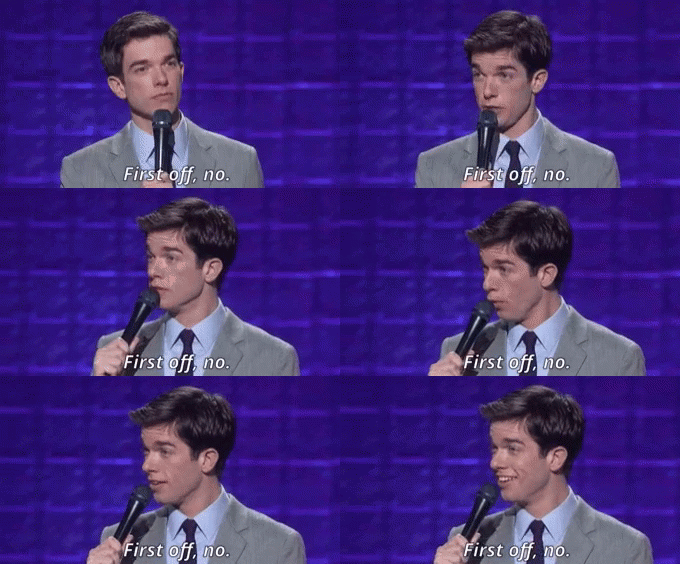
She’s not wrong. Most of Erika’s dialogue left me cringing to no end. I’m sorry but as of now the only male who can accurately write exceptional female characters younger than himself is Bo Burnham and Bo Burnham only. And if the movie didn’t make me cringe through Erika’s dialogue, it made me shout at the amount of logistical inconsistencies within the story.
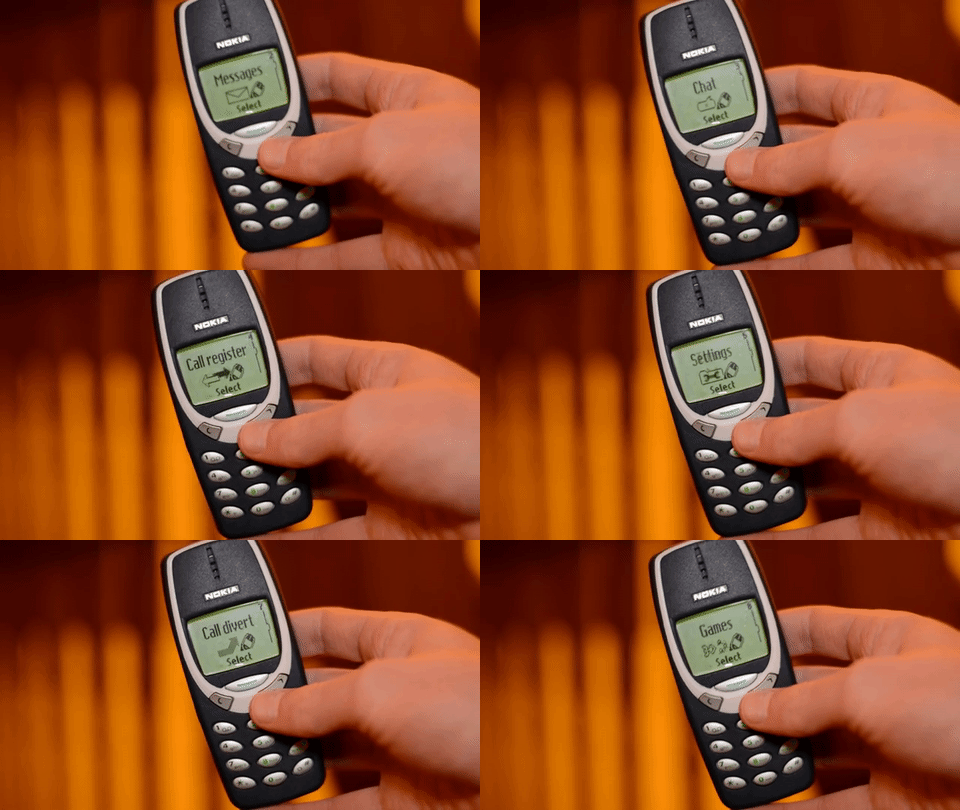
The number of pills needed to swallow in order to invest in the story are of ample amount, but when it comes to size, it varies throughout bringing the film to a halt oh so many times. If you're older and around your 50s, then Greta is for you because most of the suspensions of disbelief revolve around technology. Early on, you see Greta using an old Nokia phone that only has the 1-9 number pad, yet later on she’s sending Francis a crap ton of texts in a short period of time nonstop. There is no way in hell she could do that, especially when she has a phone that looks like this.
If you don’t know how texting works, then congrats, you’re able to suspend your disbelief. But if you’re a millennial like me, 20-year-old you know how unbelievable that is. Even later on, Greta sends several heavily edited photos using Francis’ phone which furthers the plot. Am I looking too much into how technology is used in a mindless thriller? No, because if you’re going to use devices to further the plot, at least know how they function instead of making me ask more questions than I should.
Besides being unable to know how texting works, the film apparently doesn’t seem to know how the law works either. Greta is one of those thrillers that honestly could’ve been resolved if three numbers were dialed, but apparently when the police gets involved, they don’t provide any assistance. When Francis sees Greta outside of her job, just watching her when she’s obviously being harassed, she calls the police -- as she should. She asks the officer if there’s anything that could be done since this is clearly stalking. He responds with, “There is nothing I can do. This is a public space. Her rights are protected.”
No, that is far from true. The police would never do that, especially in New York. If you have a stalker, they would investigate it. The lack of research of law integrated in this screenplay takes me back to the forgettable and unfunny 2013 comedy Identity Thief where Jason Bateman finds out that Melissa McCarthy stole his identity and has to travel to Florida to retrieve her and bring her to the police in his state because THE LAW CAN’T DO ANYTHING, WHICH IN FACT THEY COULD!
Since Greta is a thriller, there are scenes of genuine suspense that are unnerving to watch, often keeping you at edge. The major issues with the thriller aspects are that it takes the cheap route one too many times. By doing that, many elements make little to no sense. There is a great, tense sequence of Erika being followed by Greta as Francis is sent pictures of her and guiding Erika to safety. While it is arguably the best sequence of the film, it’s undercut by the many times Greta teleports in plain sight. There is a moment where Erika is in an alleyway looking back for Greta who is following her and apparently she’s unable to see her when there’s nothing for Greta to hide behind. Even then, she’s not that agile to move faster than a head turn.
Lastly, the film suffers from pacing and tone. Each act feels like an entirely different movie and moves either too fast or too slow. The tone is inconsistent where it wants to be silly and fun in the first two acts but then immediately shifts to this dark and serious thriller by the third. Most of the time you’re unintentionally laughing at the screen because of the terrible screenplay. For some time I questioned if this is one of those “this is so bad that it’s good” features, but for how often the tone is imbalanced, the answer just boils down to NO!
The muddled script never focuses on an actual character arc for Francis to be her own heroine. The film starts off with Francis being emotionally shut off from the world because of the death of her mother, which is prominent in the first reel and, by the midpoint, that aspect is ultimately dropped. If it was more focused on that, there would’ve been a much stronger arc for our lead. It bears a similar atmosphere to Coraline, for Greta tries to be Francis’ other mother. An opportunity was wide open for that, but instead it dives into the generic stalker plot that many have seen before.

In my review of The Prodigy, I went on a brief rant on the usage of lights in horror movies when accessible. Today’s rant topic is noise blares. It may be used as a cue when an intense moment occurs, but when nothing much is going on, then you’re just being cheap. Believe me, silence and ambience are more effective than just using a blare. Not only is it subtle, but it delivers a better gut-wrenching aura of suspense.

Greta mostly prospers from the performances by the lead actresses and several tense scenes making for an entertaining time, but due to the inconsistencies of both the story and tone throughout, this stalker thriller fails to live up to its full potential.
Rating: 2/5 | 47%

Super Scene: Have some tea.
