
‘Fjord’ Review: Cristian Mungiu’s Chilly Legal Drama Gets Lost in the Gray Area
Whether it’s xenophobia (R.M.N.) or morality (Graduation), Cristian Mungiu’s films examine cultural conflicts and the speed with which a domino effect can lead to societal decay. All while primarily maintaining an intimate yet firm observational stance. His most recent Palme d'Or winner, Fjord, employs his signature style and narrative approach in a Norway-set legal drama that explores religious persecution. It pits the worst kind of Christians (conservatives) against the most obnoxious leftists you’ve ever met and tests your compassion skills. While the consistency of the gray area is commendable, Fjord, like its wintry surroundings, feels cold in its surface-level culture clash.
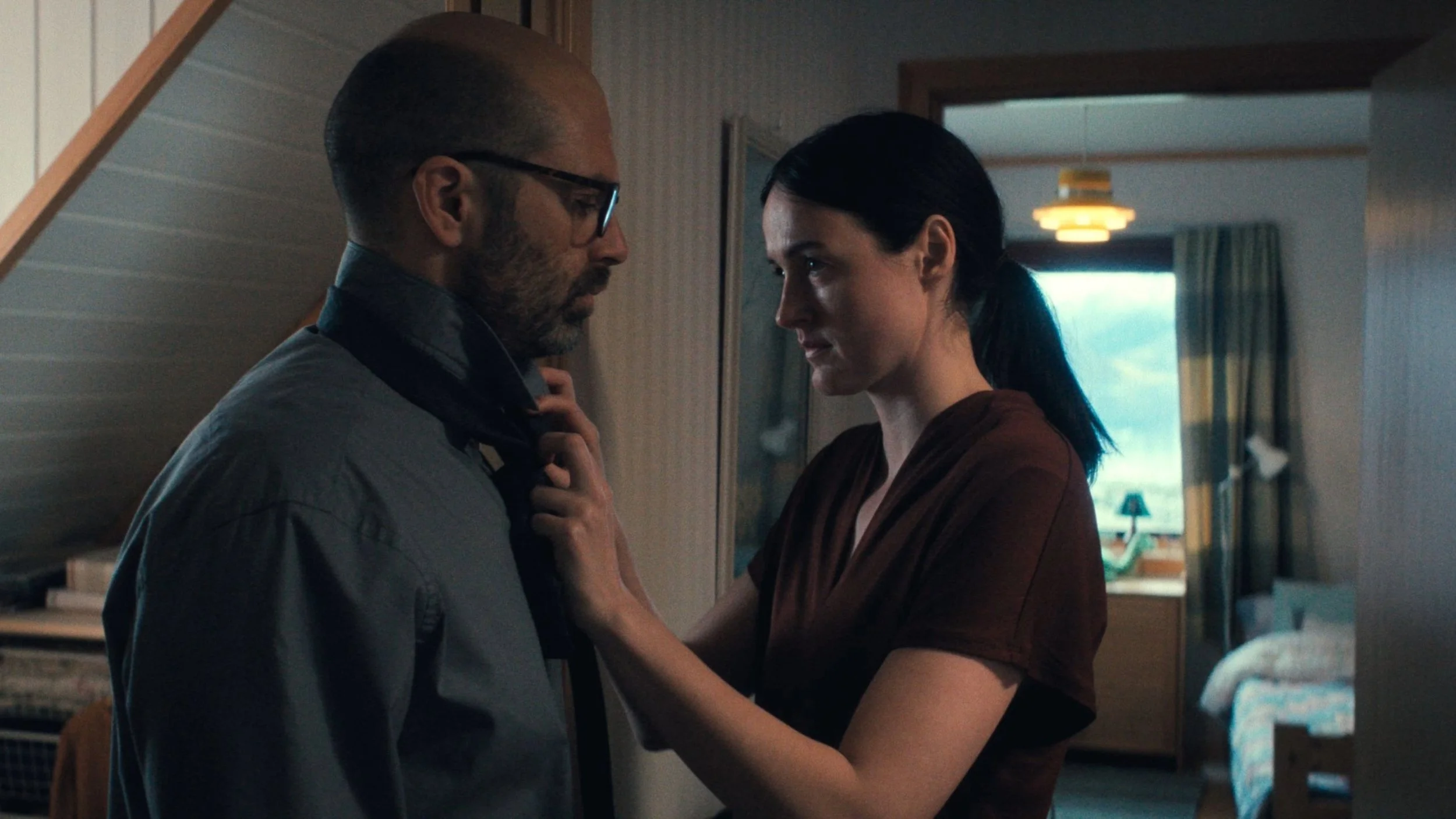
Image copyright (©) Courtesy of NEON
MPA Rating: Not Rated (NR)
Runtime: 2 Hours and 26 Minutes
Language: Norwegian, English, Romanian
Production Companies: Mobra Films, why Not Productions, Film i Väst, Zentropa Sweden, Bufo, Pandora Film
Distributor: Neon
Director: Cristian Mungiu
Screenwriter: Cristian Mungiu
Cast: Sebastian Stan, Renate Reinsve, Lisa Carlehed, Ellen Dorrit Petersen, Lisa Loven Kongsli, Henrikke Lund-Olsen, Vanessa Ceban, Christian Rubeck, Markus Scarth Tønseth, Adrian Titieni, Thorbjørn Harr
U.S Release Date: October 9, 2026
Inspired by a real-life 2015 case, Fjord follows the Gheorghius, an Orthodox family who relocate from Bucharest, Romania, to the Norwegian hometown of matriarch Lisbet (Renate Reinsve) after the passing of her Romanian husband Mihai’s (Sebastian Stan) parents. Though Mihai, now an immigrant, understands Norwegian, he cannot speak it. The family relocates to a farm in a small rural village with their five children. Lisbet secures a job as a palliative nurse, while Mihai works as an aeronautical engineer.
The Gheorghius children, previously homeschooled, are now enrolled in the local public school, near a mountain known for frequent avalanches. Their neighbor, Mats (Markus Tønseth), is the principal, who greets them by joking that there’s no Dracula in their village. The narrative primarily focuses on the two eldest teenagers, Elia (Vanessa Ceban) and Emmanuel (Jonathan Ciprian Breazu). They connect with Mats’ daughter, Noora (Henrikke Lund‑Olsen), an isolated teenager whose lack of supervision leaves her reckless, though her intentions are harmless. Mats and his wife, Mia (Lisa Carlehed), think it’s odd that the kids don’t have cell phones or video games and operate mostly on prayer and chores.
One day, a gym teacher notices red marks on Elia. Suspecting physical abuse, Norwegian child welfare services intervene and remove the children from the home without notifying the parents beforehand. Mihai and Lisbet deny inflicting the marks, though Mihai admits to occasionally slapping the kids on the butt when they stepped out of line at a younger age. This admission entangles them with law enforcement, leaving them fighting to retain custody while Mihai faces potential criminal charges. As they seek legal representation, the true focal point of their ordeal shifts from their parenting methods to their resistance toward conforming to the progressive values of the small village.
Mungiu finds boiling-point tension beneath Fjord’s icy landscape.
Sebastian Stan, Renate Reinsve in Fjord | Courtesy of NEON
Fjord is another meditative, grounded endeavor that patiently draws you into the epicenter while simultaneously offering a fly-on-the-wall critique of religious expression and extreme prejudice. His DP, Tudor Vladimir Panduru, captures the natural landscape and beauty of the small town’s idyllic backgrounds, especially the fjords. Though Panduru’s compositions feature distant wide shots as icy as its mountain terrain, the film is a pressure cooker that boils to extreme heat. Mungiu’s direction and writing are solid enough to navigate the gray area between the institutional abuse of power by the Norwegian child welfare system and the families’ religious traditionalist lifestyle coming under fire. It’s about 75% consistent in being non-manipulative, getting you so infuriated by the parents’ plight.
The village’s denizens, from the teachers to the principal to the social workers, all think they’re doing what’s best for the kids. The Gheorghius’ rigid teachings and parenting, which socially oppress them, are not discredited either. They’re weird and really damn conservative, with Mihai, in particular, projecting his beliefs (well, homophobia) with microaggressive manners every few scenes. I just had to laugh that the one time he gifts one of his children a device, it’s a PS Vita. You know, the “discontinued commercial failure” PS Vita? Nothing says “out‑of‑touch religious dad” more than that.
It’s presented as an anthropological experiment, with Mungiu as a professor testing the viewer’s empathy and media literacy. Are you willing to side with the conservative Christian group or the insufferable leftist parents who would rather judge others’ personal practices than raise their own kid? The film is going to stir some exhausting discourse that I’m not looking forward to.
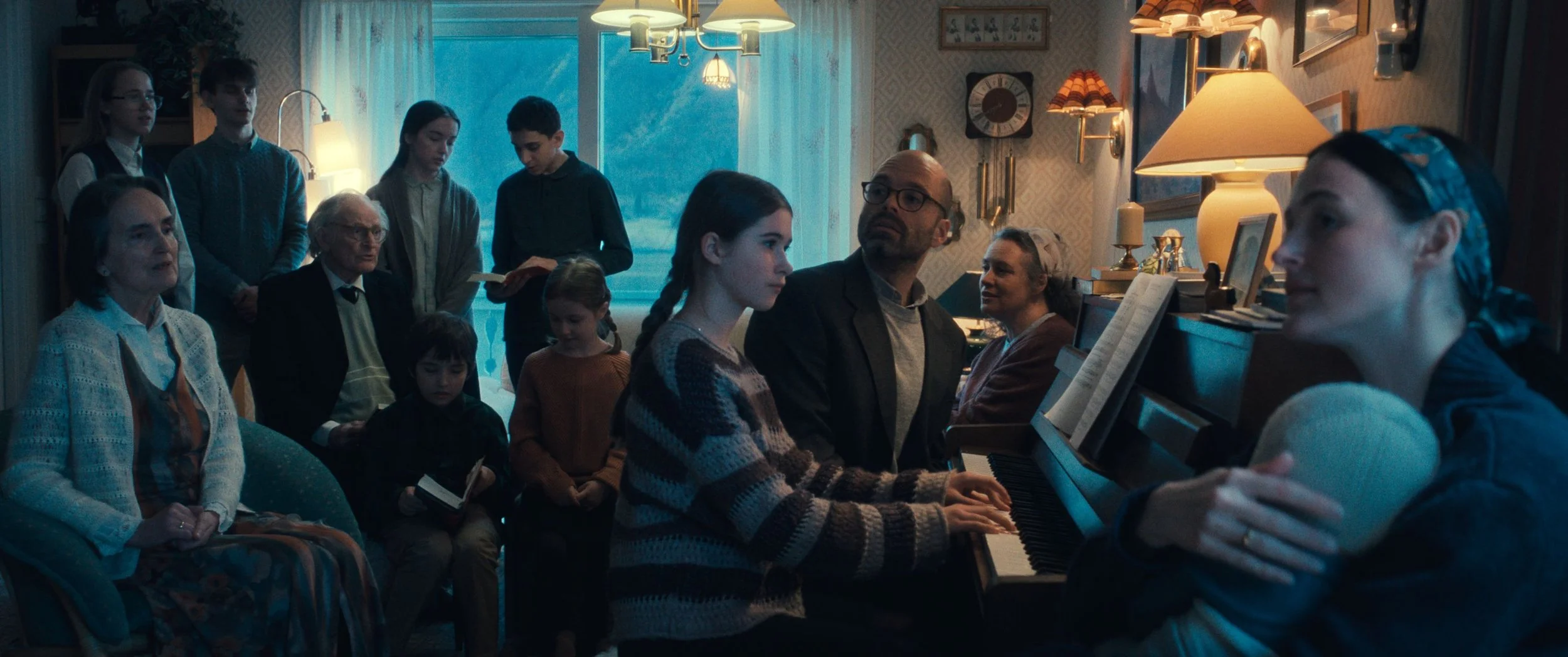
A poignant Stan and Reinsve carries Fjord’s emotional weight.
Sebastian Stan, Renate Reinsve in Fjord | Courtesy of NEON
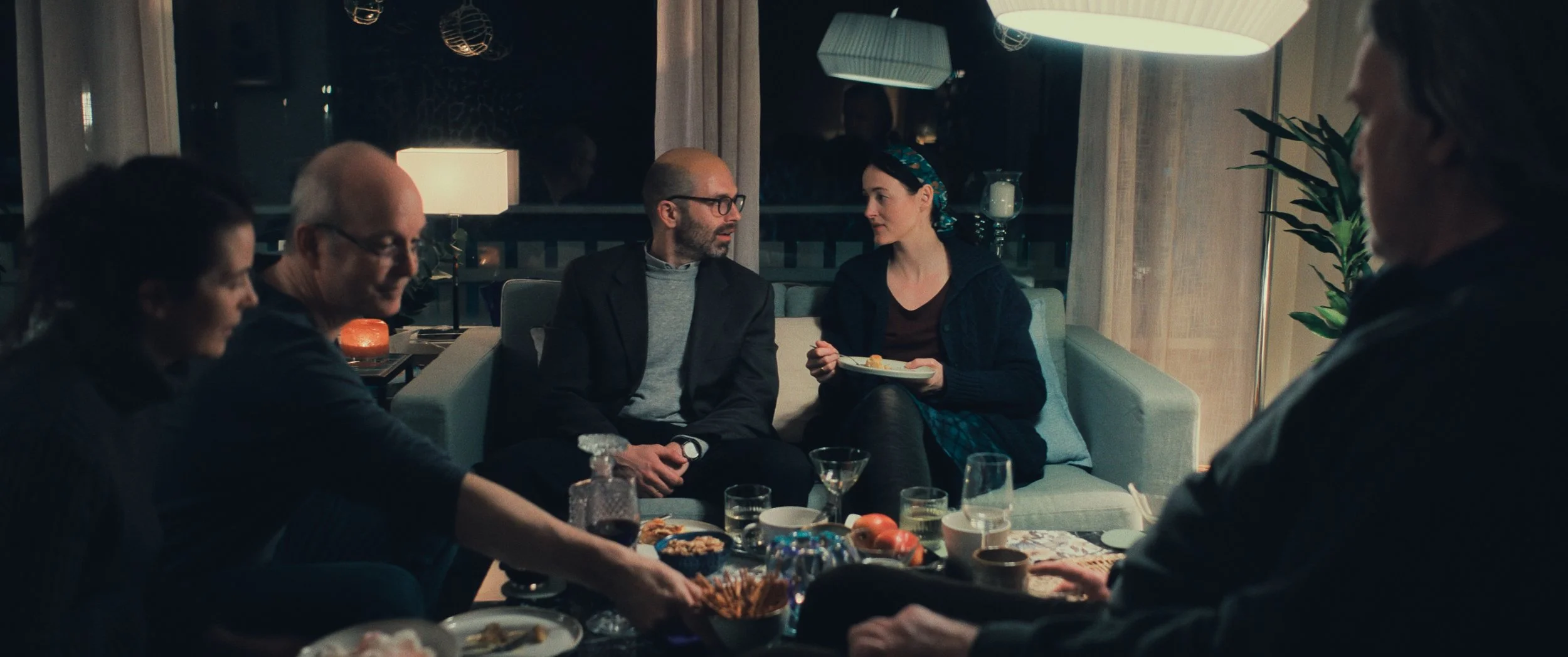
Mungiu imbalances the gray portrait with shades of black and white as the Norwegian left is depicted as moderately outlandish. Sometimes, they’re villainized by making Armstrong-like stretches to ostracize and prosecute their religious neighbors to a partially inhuman degree. These are the type of parents who raise modern iPad kids.
Fjord does have some excellent, quiet, and tactile performances by Sebastian Stan and Renate Reinsve, who give real, gut-wrenching reactions. Their shared anger, bewilderment, and everything else related to their kids’ removals drive the film’s emotions. Never mind their religious backgrounds; it’s fucking infuriating to see someone’s children get yanked away as brutally as they do, and they sell that pain while retaining the film’s grounded atmosphere. Not to mention how Stan (of Romanian descent, and depicting it in film for the first time) delivers a raw portrayal of quiet frustration clashing with his patience, especially in the latter half when it diverges into its courtroom trial scenes.
That said, Fjord marks the umpteenth “what if contemplative grounded story about this one thing is just this one thing” European drama I've seen in the current post-Cannes awards-circuit catch-up. I can’t help but compare it to Marie Kreutzer’s Gentle Monster, which bears the same flaws, coasting on observation over its one idea and leaving substance to be desired. There are pockets of themes and characters left unexplored.
Elia and Emmanuel take the spotlight, yet we never see what their two younger siblings deal with. Hell, the family’s fifth kid, an infant, has more screen time wailing, and Lisbet faces despair in not being permitted to see him when he’s only breastfeed.
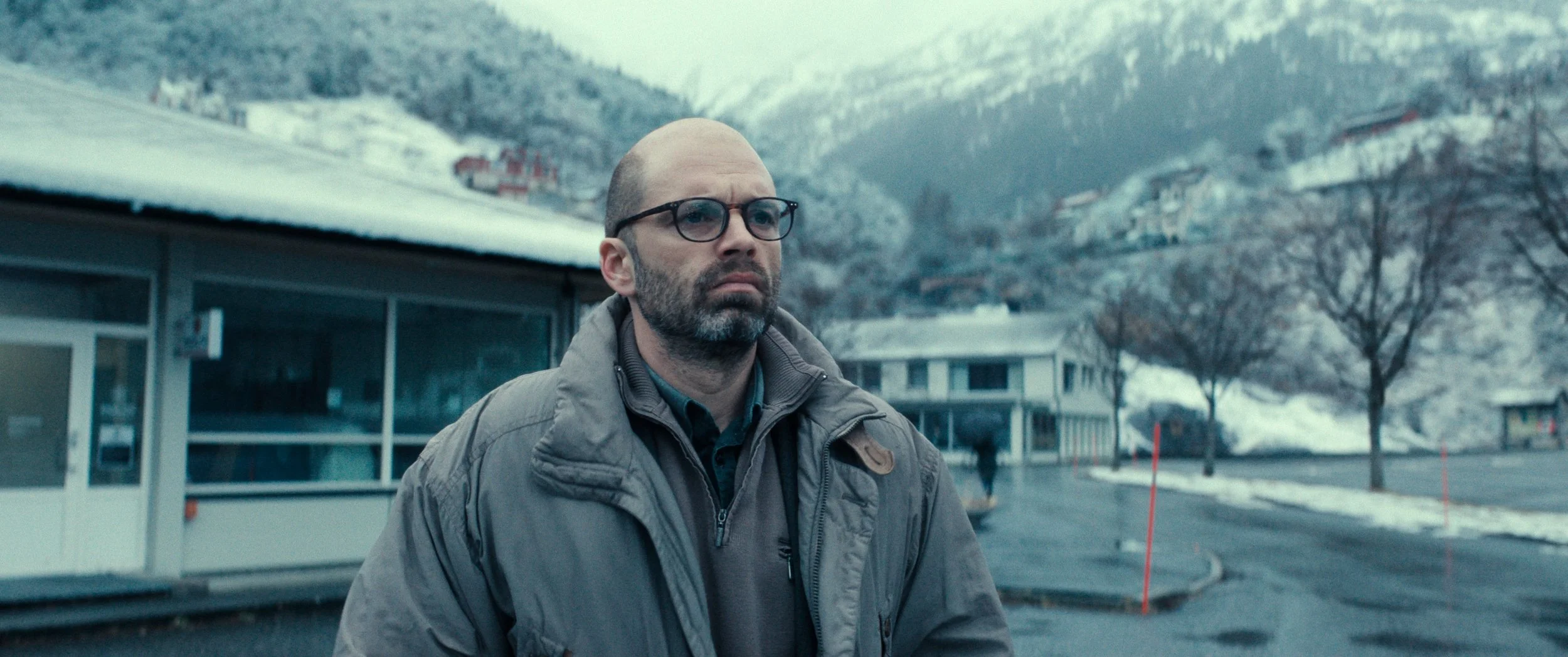
Fjord discusses intolerance without really interrogating it.
Sebastian Stan in Fjord | Courtesy of NEON
The film wants to be about adults skirmishing over what’s best for the kids, but while it takes time to elaborate on the kids’ perspective, mostly on Noora’s isolation, it never reaches anything worthwhile or lands much of a real punch. And don’t get me started on its so‑called resolution, which undermines the tension it spent so long building.
Fjord is more narratively engaging and has a decent, functional screenplay, but it missed the potential to unpack its themes of intolerance. It teased a proactive drive that never came to fruition after a killer “now I take over” line from Mihai when all else fails. He goes viral online, stirring up virtual support, though this is done entirely offscreen. The film is in constant need of genuine dramatization to the extent of, say, Anatomy of a Fall, or at least a conversation about intolerance beyond illustration.
I would say that Fjord forces the viewer to put their empathy where it belongs, giving you the freedom to choose. However, it’s not as daring or as difficult as it believes, because discrimination is discrimination everywhere.
Patient and precise as it is, Cristian Mungiu’s Fjord is a well‑crafted but ultimately hollow exercise. Despite the viscerally raw Stan and Reinsve performance, this legal drama is only interesting in the courtroom and avoids the deeper moral dilemmas it claims to analyze.
