
‘Creed III’ Review: Michael B. Jordan Delivers a Directorial Debut TKO in Strong Spin-off Threequel
Creed III
Runtime: 1 Hr and 56 Minutes
Production Companies: Metro-Goldwyn-Mayer Pictures, Chartoff-Winkler Productions, Proximity Media, Outlier Society
Distributor: United Arts Releasing
Director: Michael B. Jordan
Writer: Keenan Coogler, Zach Baylin
Cast: Michael B. Jordan, Tessa Thompson, Jonathan Majors, Wood Harris, Florian Munteanu, Phylicia Rashad
Release Date: March 3, 2023
In Theaters Only

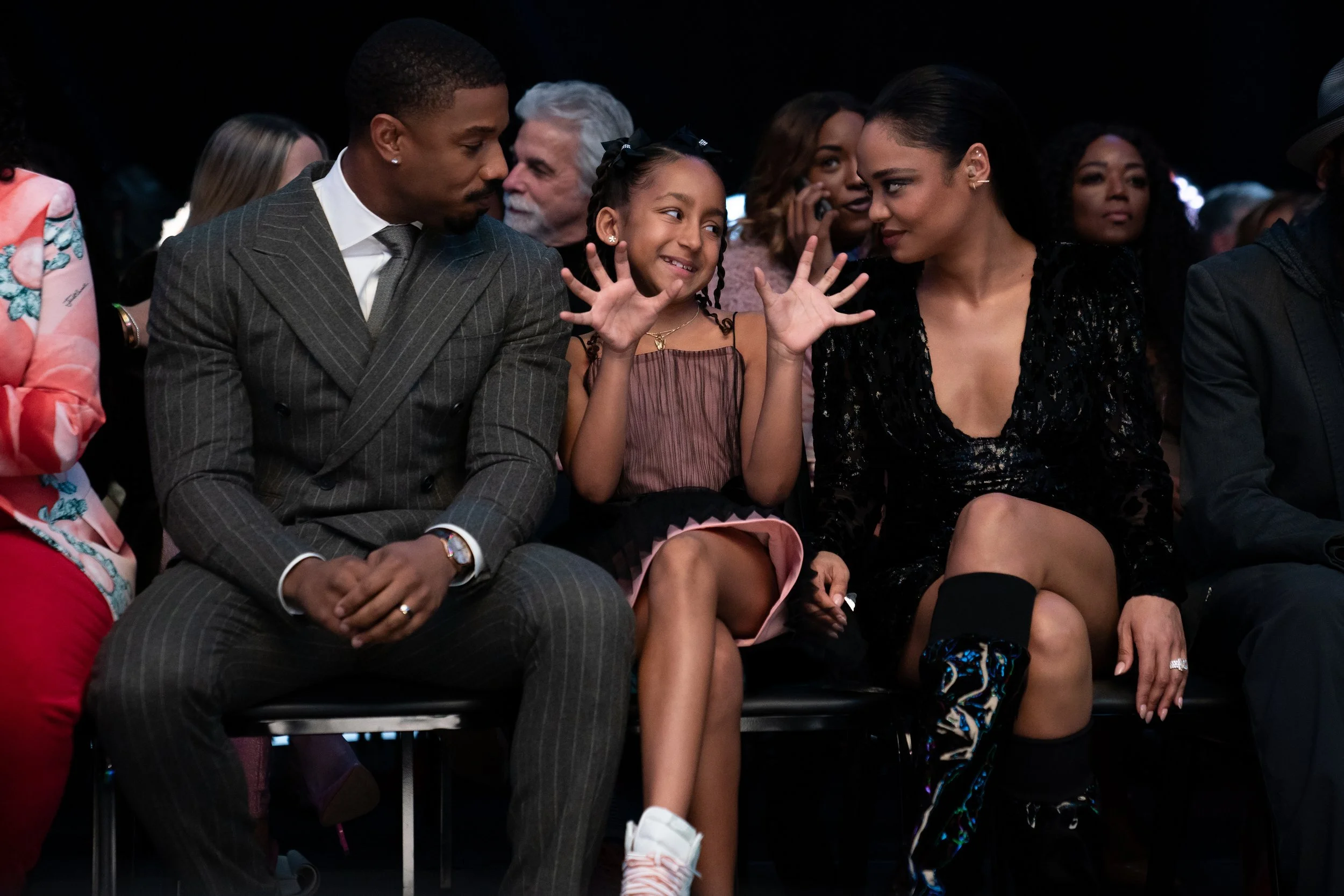
Adonis “Donnie” Creed (Jordan) has hung up the gloves, retiring at the height of his career as a heavyweight champ. Now the former boxer lives the superstar life in Beverly Hills as a family man, caring for his record producer wife Bianca (Tessa Thompson) and grade-school hearing-impaired daughter Amara (Mila Davis-Kent). Outside of the domesticated life, he owns a gym for professional boxers, working alongside his old coach Little Duke (Wood Harris).
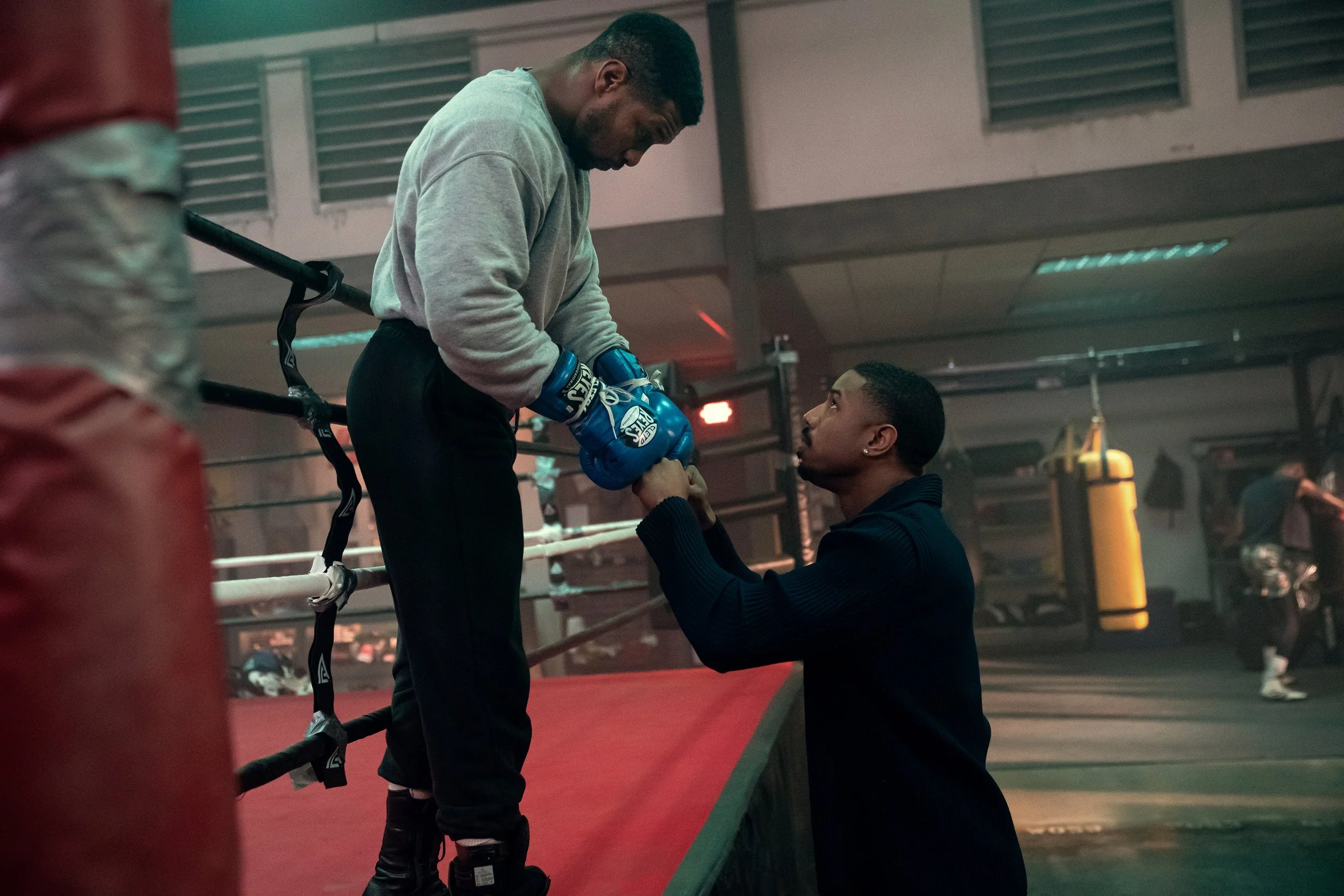
All that stability is thrown out the window once his childhood best friend, Damian "Dame" Anderson (Jonathan Majors), is released from prison. He’d been serving an 18-year sentence for a crime he and Adonis were involved in when they were kids. Donnie takes Dame under his wing out of the kindness and regret in his soul. Like Judas to Jesus, Dame betrays Donnie and threatens to strip him of his legacy. When push comes to shove, Donnie must get back into the ring one last time to battle his biggest challenge yet: his past demons.

In traditional Rocky fashion, it was time for Michael B. Jordan to don the director’s beret while stepping back into the ring as Adonis Creed. With Creed III, Jordan had some big shoes to fill as a leading man amid his filmmaking debut. Was he able to stand his ground without Rocky in the picture? Thankfully, the answer is, “Hell yeah!” as he delivers another knockout Creed entry.
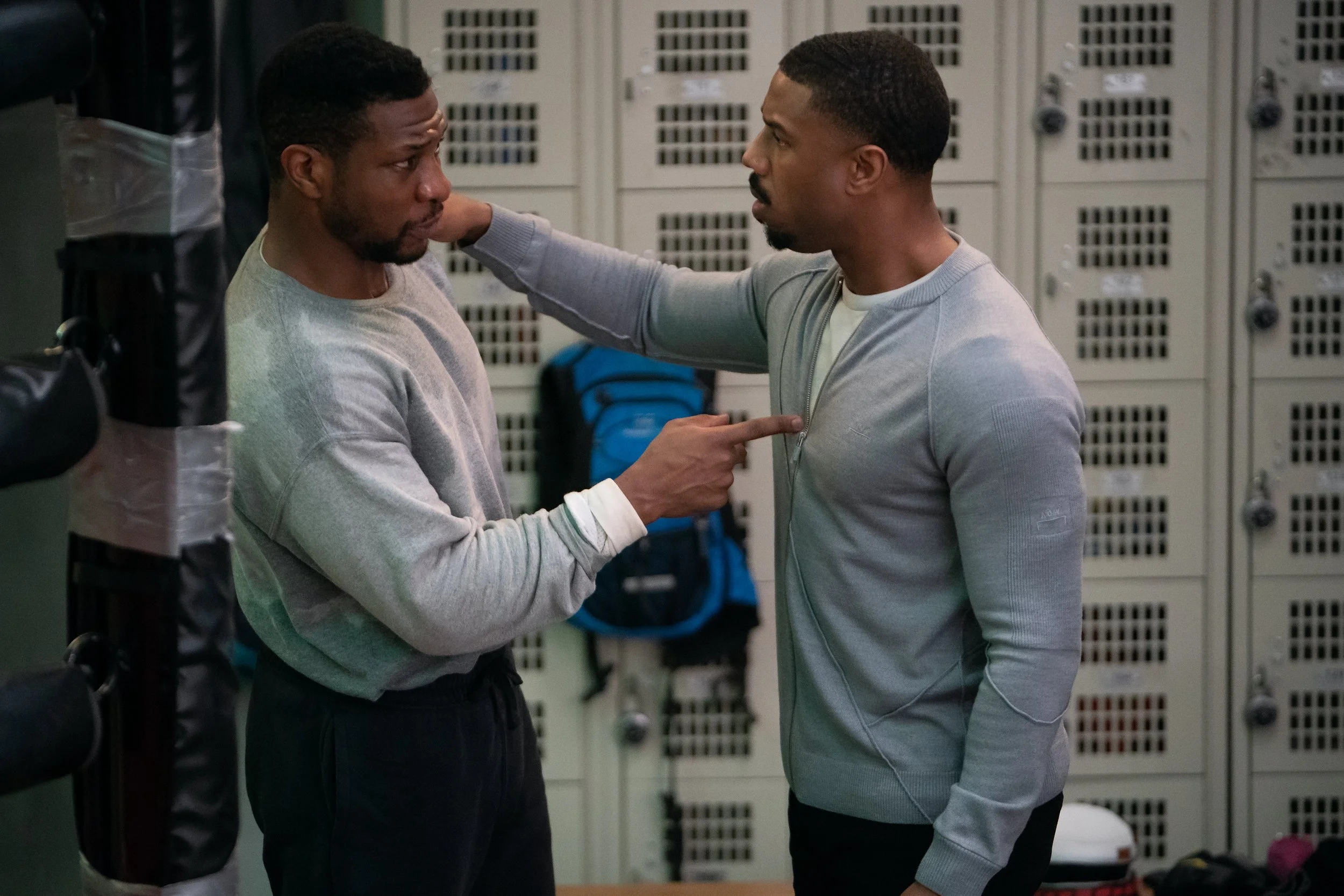
Pivoting from Adonis facing the spawn of foes from Rocky’s past, Creed III refreshingly offers an original concept allowing the titular lead to mature further than he did in the past two films. It’s as if screenwriters Keenan Coogler and Zach Baylin took inspiration from the sacred testaments of yore, Shonen Jump manga, and the best-friend-turned-rival archetype (a la your Naruto and Sasuke or Bakugo and Deku). Since Jordan loves anime and used that influence with his direction, I will indulge that notion with this review. For a franchise about masculine dudes punching each other in the face, the screenwriters provide a poignant examination of Black masculinity and the lingering effects of childhood trauma, forming conflict between the rivals. They find a humanistic way to delve into Donnie’s childhood and, through Dame’s inclusion, a representation of a skeleton in the closet he pushed way down. Their rivalry becomes almost Shakespearean.
Michael B. Jordan’s direction retains the franchise’s grounded feel while incorporating an ambitious flavor to make this entry his own. For the dramatic scenes, Jordan’s greatest strength lies within the framework of his characters. The camera techniques correlate with Dame and Donnie’s lifestyles, where the former traverses through handheld and the latter in wide dolly shots. I love how he plays with depth of field with close-up shots of his subjects. One scene that comes to mind is the first shared moment between Donnie and Dame while they catch up over lunch at a diner. The grounded atmosphere flourishes best when characters interact in conversations, internalizing whatever’s being said and wearing raw emotion on their face. When Donnie first sees Dame after nearly two decades, the history of their relationship is evident in their reactions.
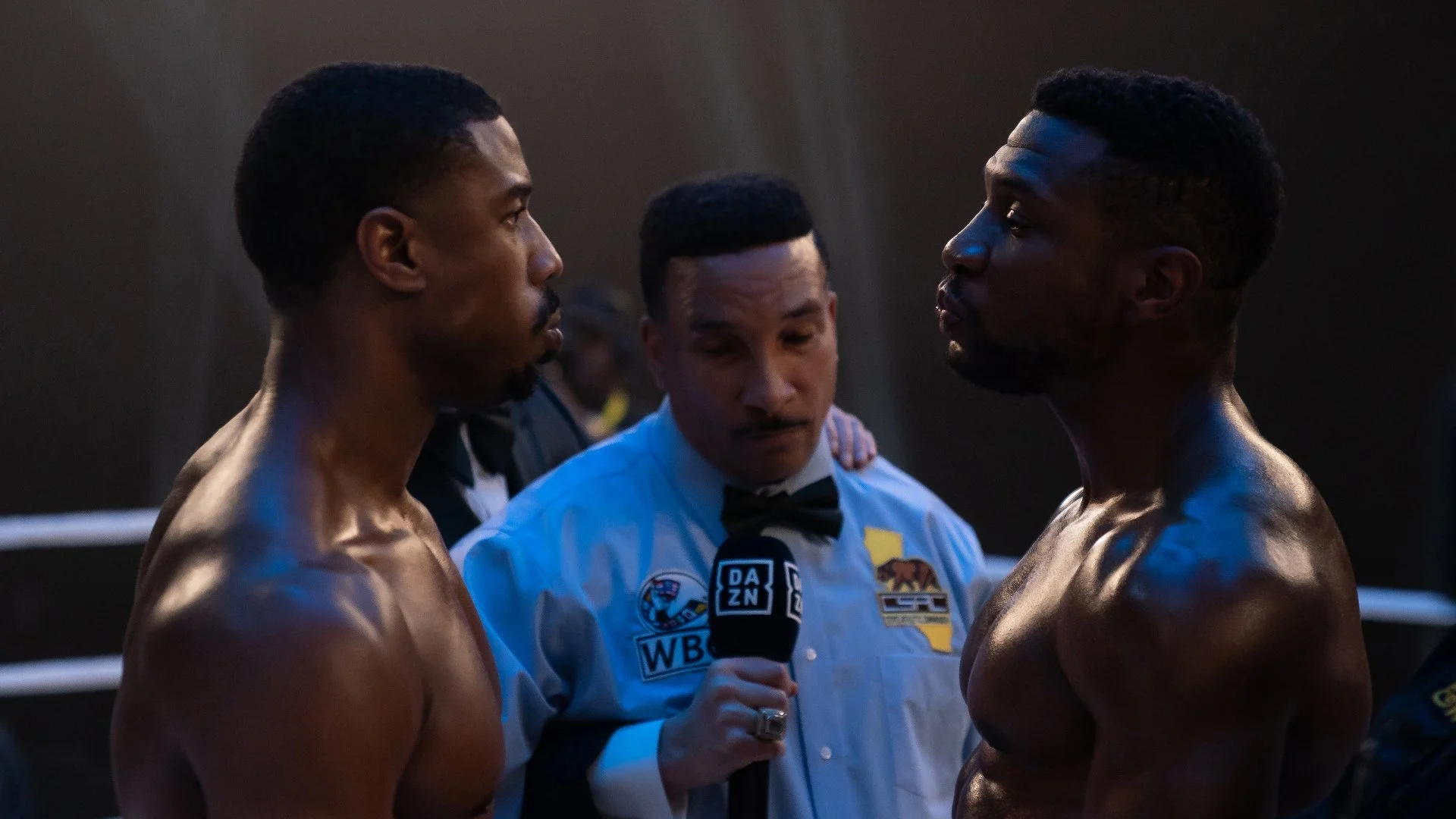
With the boxing sequences, Jordan delivers a series of walloping punches that put you on the edge of your seat. His shot composition gets you close to the action, but he never lets a close-up linger for too long, focusing on showcasing fights from various angles with swift camera movement. He details the sport’s brutality via effective slow-motion shots straight out of a Street Fighter game. The sequences prosper from tight editing that keeps you on your toes, mesmerized by Jordan’s direction. From an intense montage to a riveting climax that adds an imaginative flair to the franchise, Jordan goes above and beyond to make this a hell of a showcase for himself behind the camera.
It has only been a few weeks since I praised Jonathan Majors’ strong performance in the weak Ant-Man: Quantumania. I’m now required to do so once a month, given how booked and busy he is. As Dame, Jonathan Majors walks the tight line between being an antagonistic force and a sympathetic figure. He delivers a showstopping showcase of grit, charisma, and complexity, playing Judas to the boxing messiah, wearing his ulterior motive card in his pocket. Dame is essentially a blend between Bakugo and Vegeta, for he comes in with a prideful chip on his shoulder, judging Donnie’s new lifestyle and reminding him of the past life he stuffed deep in his closet. Between his Sundance film Magazine Dreams, Ant-Man, and Creed III, THIS is the Jonathan Majors performance you need to see. Dame is a layered character with a threatening presence that’s too magnetic to take your eyes off.
The supporting veteran players—including Tessa Thompson, Phylicia Rashad, and Wood Harris—are as exceptional as ever. Rashad has more screen time in this film than the predecessor, for Mary-Anne Creed becomes an integral player in the beef between Dame and Donnie.

Compared to its predecessor, Creed III is far more mature in its thematic storytelling, bringing fine representation to a subject one doesn’t often see in a studio blockbuster feature. That said, Coogler and Baylin’s screenplay can’t block several punches from sports drama cliches that prevent this entry from reaching the five-star greatness of the first film. Sometimes the foreshadowing for different dramatic plot points is too transparent. You can smell the predictable story beats from a mile away, and the impact isn’t as strong in execution. The film breezes through some crucial dramatic moments without taking a breather before the third act, and it gives a bit of whiplash when corny dialogue is delivered or when dramatic beats hit back-to-back.

A lot happens on-screen, and some setups are dropped without a resolution. It may sound like a nitpick, but a subplot featuring Bianca and Donnie’s daughter is established and never developed to fruition. Amara gets in trouble at school for fighting a kid who ripped her drawing, and her use of violence to solve her problems is a blatant contrast to the conflict between Donnie and Dame. It goes nowhere, and with the pacifist message at play in this entry, it feels underwhelming. There was potential to drive its message home, but sadly, the writers forgot about it when reaching the film’s conclusion. Oh well. Creed III still friggin’ rocks!

Michael B. Jordan delivers a knockout of a directorial debut with Creed III. With rigorous boxing sequences, phenomenal performances from his ensemble—particularly another winning performance from Jonathan Majors—and a strong story about facing childhood trauma, Michael B. Jordan’s first showcase as a filmmaker is a winner.

