'Candyman' Review
R: Bloody horror violence and language including some sexual references
Runtime: 1 Hr and 31 Minutes
Production Companies: Metro-Goldwyn-Mayer, Monkeypaw Productions, Bron Creative
Distributor: Universal Pictures
Director: Nia DaCosta
Writer: Nia DaCosta, Jordan Peele, Win Rosenfeld
Cast: Yahya Abdul-Mateen II, Teyonah Parris, Nathan Stewart-Jarrett, Colman Domingo, Vanessa Estelle Williams, Tony Todd
Release Date: August 27, 2021
Theaters Only
For as long as the residents can remember, the housing projects of Chicago's Cabrini Green neighborhood were terrorized by a word-of-mouth ghost story about a supernatural killer with a hook for a hand, easily summoned by those daring to repeat his name five times into a mirror. In the present day, a decade after the last of the Cabrini towers were torn down, a visual artist named Anthony McCoy and his girlfriend, an art gallery director named Brianna Cartwright, moved into a luxurious loft condo in Cabrini, now gentrified beyond recognition and inhabited by the upwardly mobile millennials. With Anthony's painting career on the brink of stalling, a chance encounter with a Cabrini Green old-timer exposes Anthony to the tragically horrific nature of the true story behind the Candyman. Anxious to maintain his status in the Chicago art world, Anthony begins to explore these macabre details in his studio as fresh grist for paintings, unknowingly opening a door to a complex past that unravels his sanity and unleashes a terrifyingly viral wave of violence that puts him on a collision course with destiny.
A few years ago at Tribeca Film Festival 2018, writer/director Nia DaCosta debuted her first feature Little Woods, a modern neo-western, unlike anything I’ve seen. It was a killer debut for her and stood out as my favorite film of the fest (and of 2019 when it was released). Now DaCosta has taken her skillset into the realm of horror with her sophomore feature Candyman, a direct sequel/reboot to the 1991 horror flick of the same name that, in many ways, is a marginal improvement on the predecessor… but is a downgrade in others. Seriously, make sure you watch the ‘90s film before watching this version because you’ll be lost if you don't.
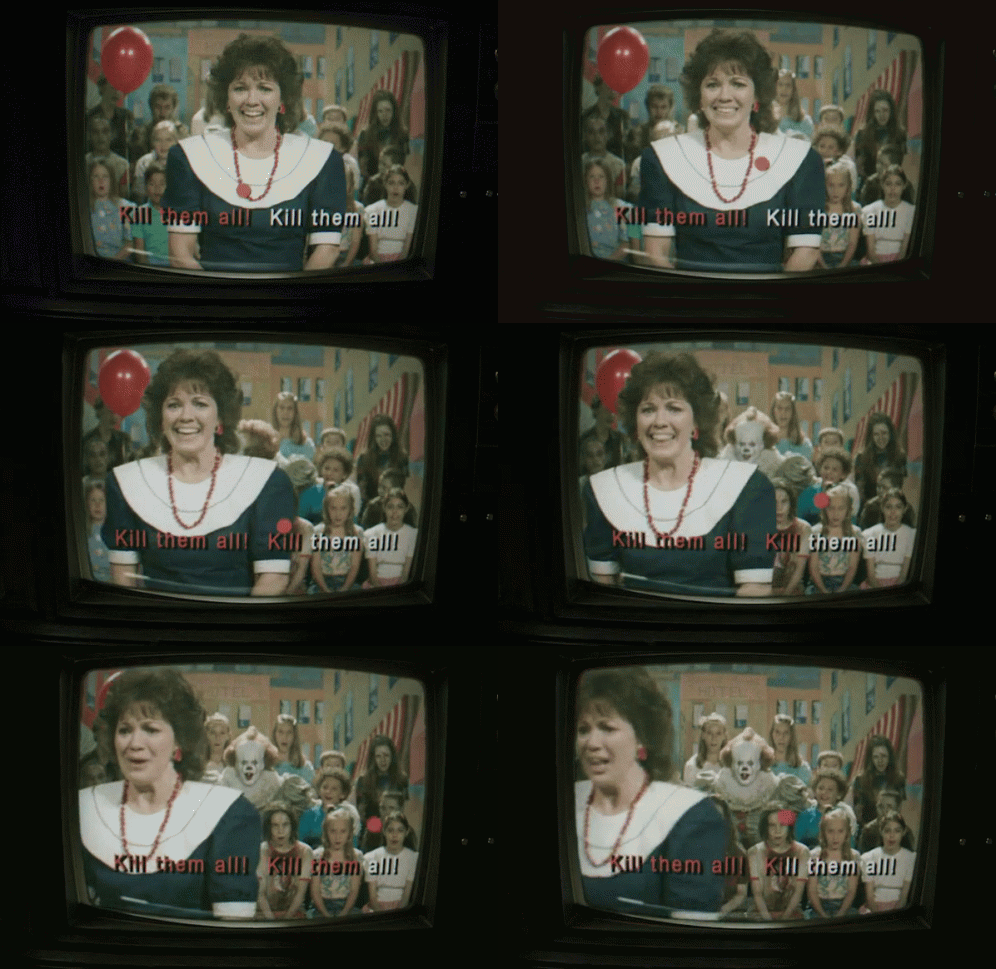
In the grand scheme of horror figures, Candyman never caught on enough to become anything outside of being a product of the ‘90s. The original film was written and directed by a white dude and while it had eerily timely themes of racial injustice, the idea was muddled due to some of the victims being Black people, including kids. Now that it's in the hands of DaCosta and producer/co-writer Jordan Peele, they cleverly reinvent the figure by furthering his lore, image, and course-correcting the victims he pursues. They reclaim Candyman to make him an evolutionary entity that reincarnates like an Avatar whenever an innocent Black man falls victim to racial injustice. Because racism is a cycle that’s never been broken but only evolves, writers Nia DaCosta, Jordan Peele, and Win Rosenfeld ask, “Why not Candyman?” So, instead of being a terrorizing figure to the projects, he’s now a vigilante boogeyman that terrorizes racist folks who range from being overt to being microaggressive. Essentially, all of the victims are white and have it coming to them. If you’re a Black audience member, instead of being terrified of Candyman, the film has you changing your tune and chanting:
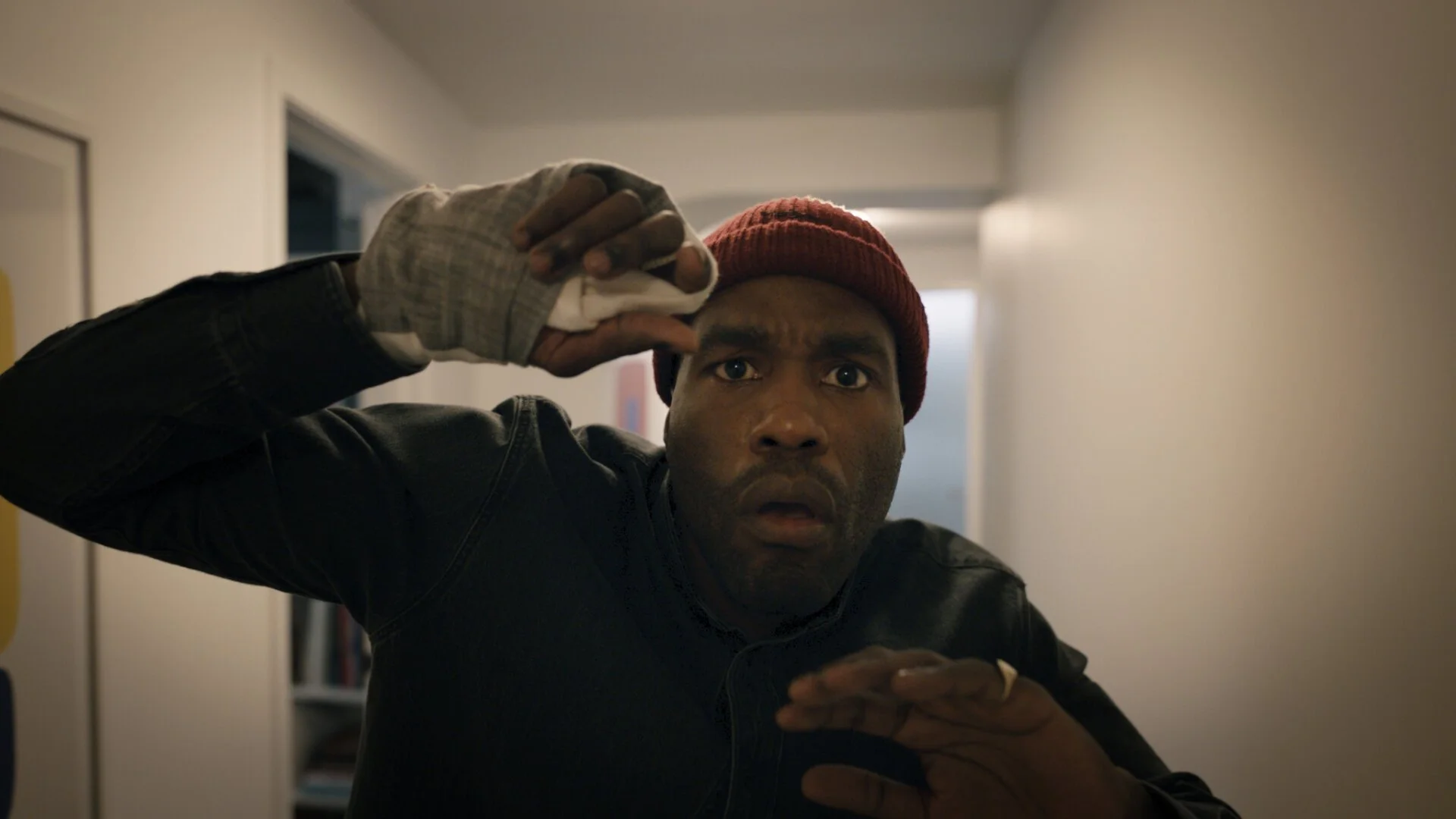
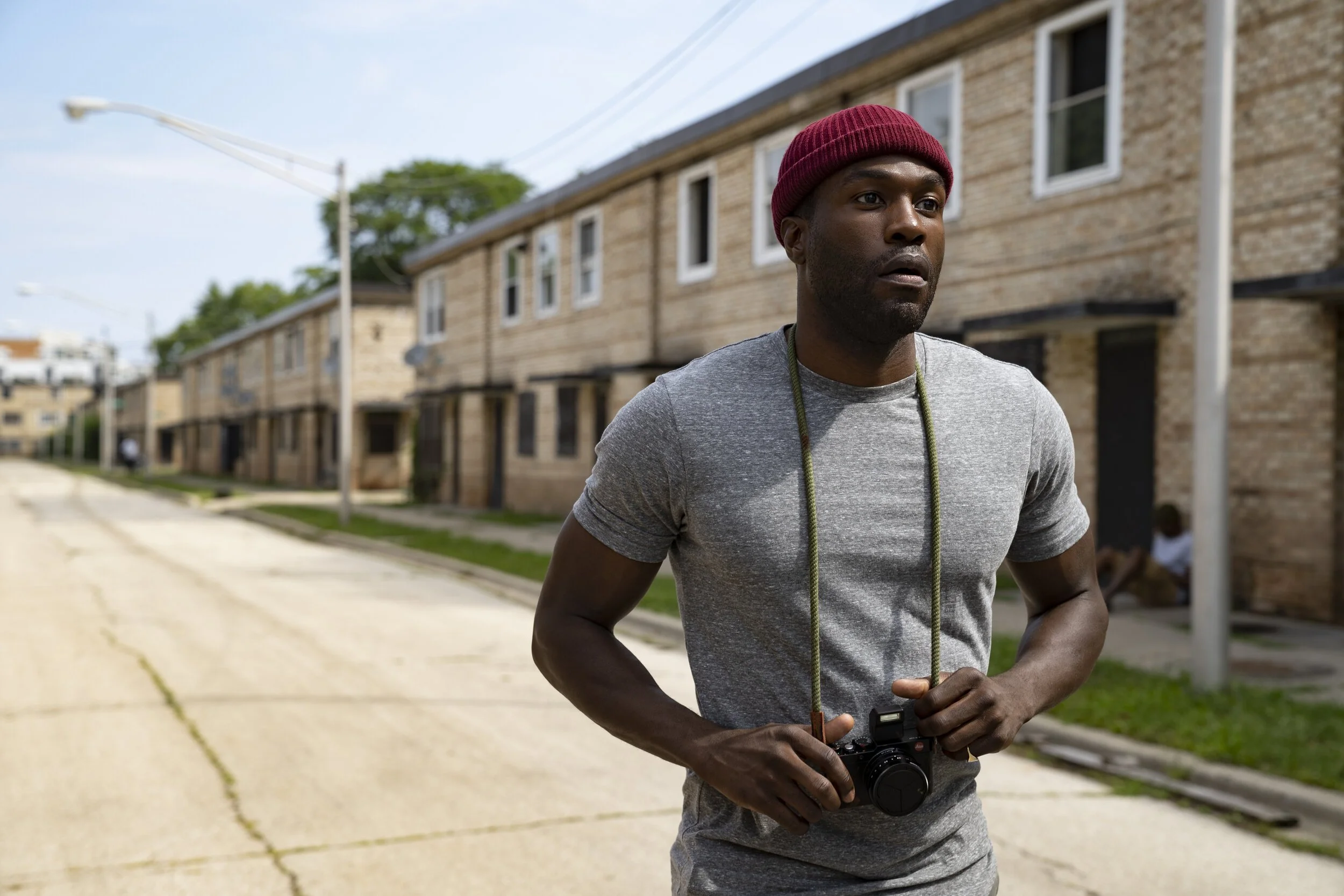
Apart from revitalizing Candyman’s origin, DaCosta presents overt commentary centered around gentrification that ties well into the film’s setup. Visual artist Anthony (a haunting Yahya Abdul-Mateen II) is having trouble figuring out a new art piece for his gallery-directing girlfriend Brianna’s (Teyonah Parris, who is captivatingly charismatic) show, but gets inspired by his new home at Cabrini Green, Chicago, which was once a housing project and the birthplace of Candyman. It’s now transformed into a high rise building for white residents, like the neighborhood itself today. Once he investigates the neighborhood’s history, including meeting an old resident (scene-stealer Colman Domingo) who had a run-in with Candyman himself as a child, he comes across the legend of Candyman, which speaks so strongly to him that he becomes obsessed with it and turns it into an art piece. Unbeknownst to him — for he’s focused on his slow rise to recognition in the art community — the piece starts to turn the art world, his life, and Chicago itself upside down. The theme serves as a backdrop to the film’s Velvet Buzzsaw-like setup and is surprisingly followed through to the very end. While many might find its overtness a major turn-off, it’s very well interwoven with the traditional horror-slasher beats.
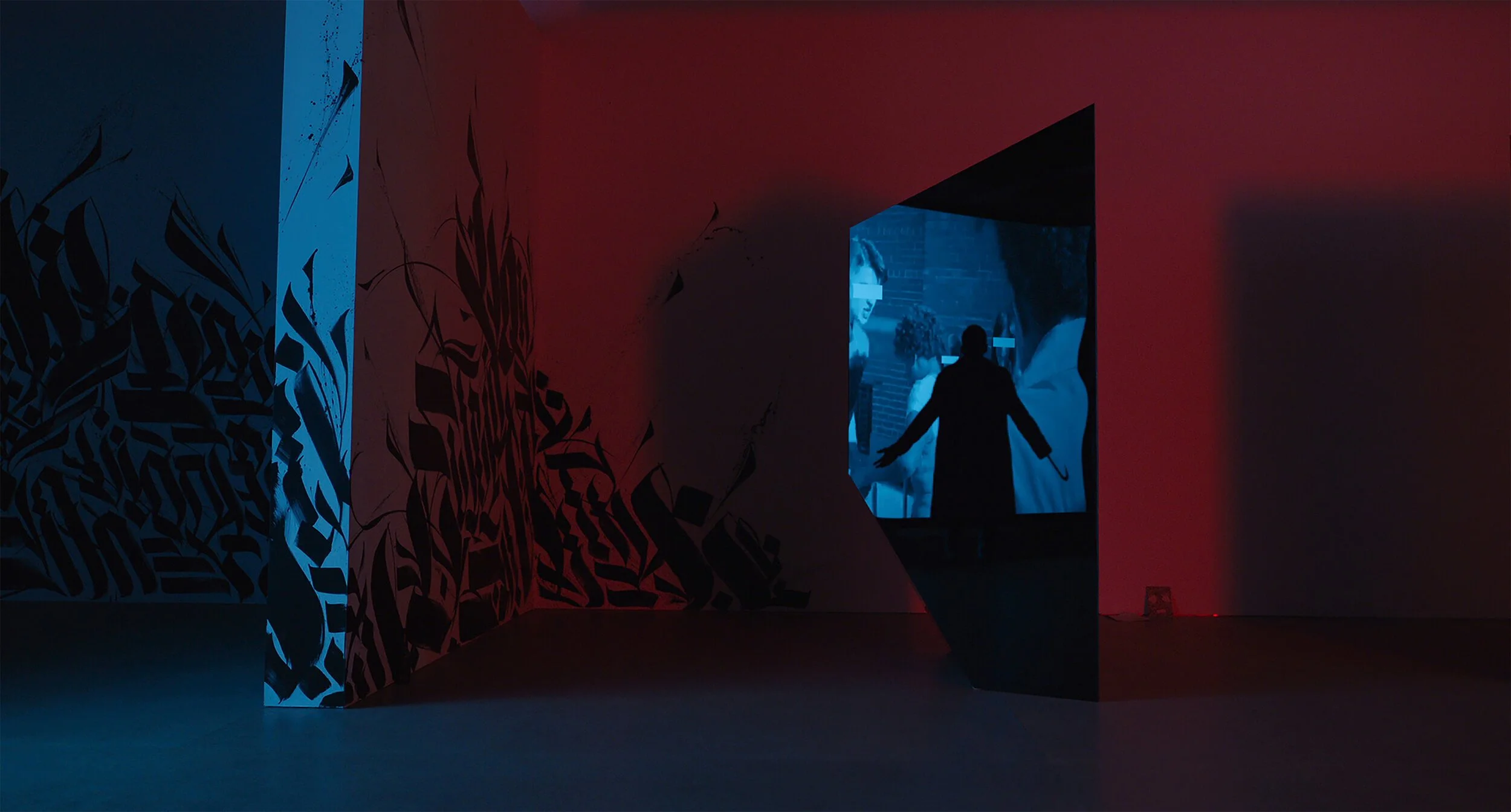
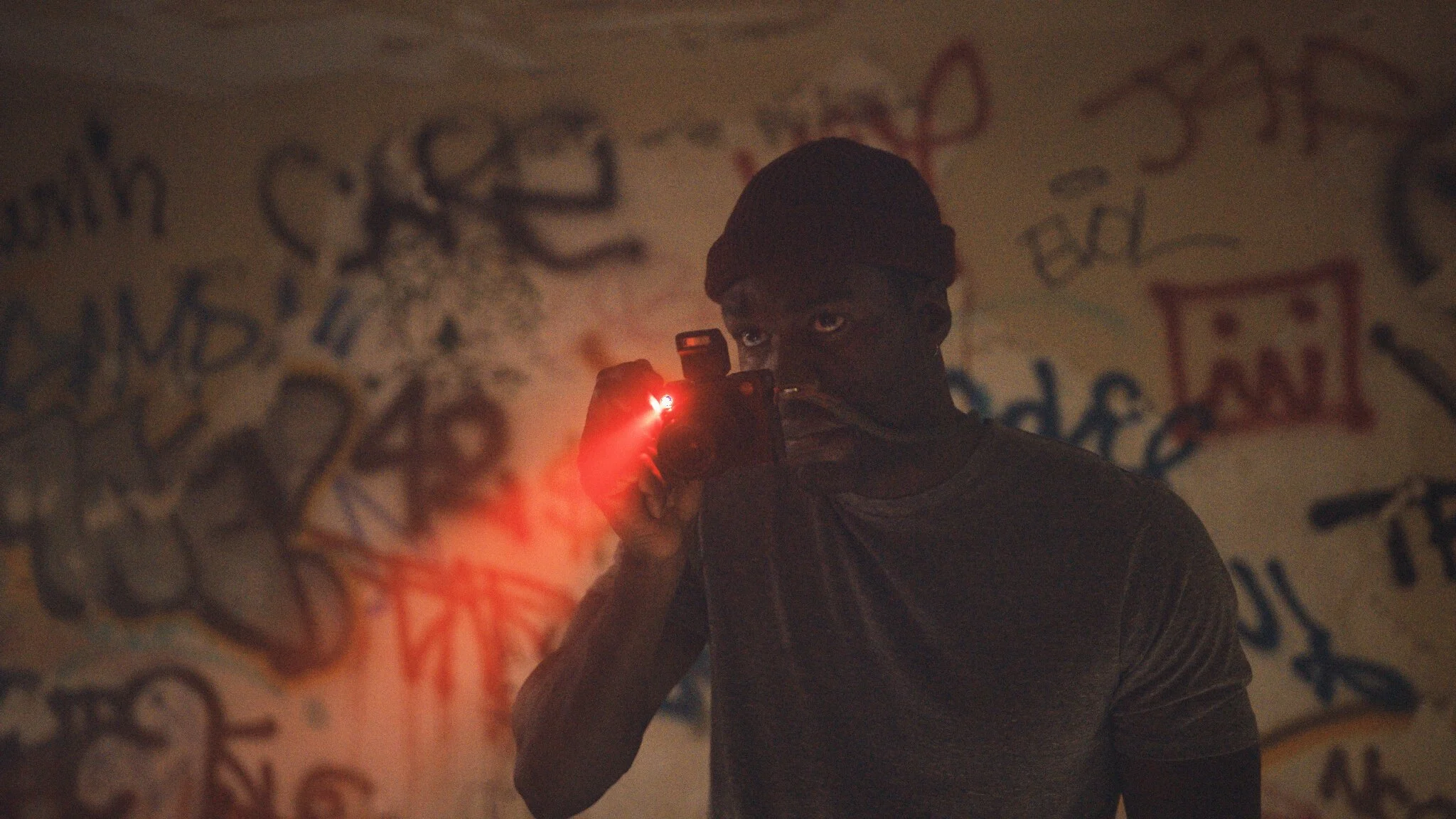
DaCosta’s direction is ambitious, for she provides stylish innovation in areas to elevate the folklore aesthetic of the titular figure. Since this is a direct sequel to the 1992 film, it does ample callbacks to the events of the original, but instead of replaying old clips, they’re presented through haunting shadow puppetry. It makes the lore feel like a campfire tale and it’s very well done. As far as horrific kills go, a good chunk of them are gory and brutally violent in a way that’s innovative and artful. DaCosta challenges herself and her viewers to expand their notion of traditional slasher execution and let our familiarity be the basis for the kills themselves. At times, you don’t directly see the kills on-screen because there’s only so much you can do with a Black figure with a hook for a hand, but it’s still terrifying to hear the screams of his victims. Since he’s now more of a vigilante figure who preys on dumb or racist white folk, DaCosta plays with the horror tropes to alleviate the tension for Black audiences.
There’s a great dose of dark humor that fits Peele’s signature Monkeypaw tone, such as the authentic dialogue between Black characters like Nathan Stewart-Jarrett as Brianna’s brother Troy, who has all the best comedic dialogue and story beats. This movie might feature the funniest jump cut/segue I’ve ever seen in a horror flick due to our familiarity with white culture in horror. On top of that, there’s a ton of unnerving, disturbing imagery through Anthony’s progressing descent into madness as he becomes more aligned with Candyman than he realizes.
Since the film does a ton of backpedaling to reinvent the lore of Candyman, the result might alienate fans of the predecessor and the genre itself. I'm still on the fence about the horror sequences because they make you rely on context clues instead of going for innovative kills that it had the potential to follow through on. The film peaks at the first kill, which is genuinely terrifying, but then it makes you fill in the blanks for the sake of artistry. While some of those scenes are visually disturbing in their own right, its overall artsiness might disappoint a few, especially when there could’ve been some balance to appeal to both audiences. If you’re a Black audience member wanting to get spooked, you won’t find that with this movie. You’ll be rooting for a new horror anti-hero of sorts, but don’t expect any spooks. This will terrify some white folks and crack open their brains a bit, though.
I can’t help but feel that, in a sense, the film is meant to appease a white crowd, for a vast majority of the kills are frustratingly shied away from though white people are the primary targets. I’m sorry but in this Peele-influenced era, I’ve seen ample projects inspired by or involving Jordan Peele where Black people have been mercilessly massacred in various ways, but when white people are targeted, it’s not as glorious. The kills feel as if they’re meant to strike terror into white people while leaving Black audiences underwhelmed.
Usually, I am very fond of films that bear a 90-minute (or shorter) runtime but Candyman tries so hard to tackle various objectives in such a short period. At times, the pacing is too rushed to flesh out underdeveloped areas that are teased but never followed through on. The screenplay tries so hard to have its cake and eat it too by being a direct sequel to the ‘92 film while making blunt statements on gentrification, modern racism, and racial injustice. Overall, it comes off as completely unbalanced and unfocused for 90 minutes, which is too short for a movie that’s trying to do so much. By the time the film hits its third act, it gets so manic as it dashes towards the finish line, leaving many areas of story and characterization in limbo. The film is jam-packed with so many themes regarding modern Black identity that there end up being plenty of plot holes. Its obvious tie-in to the predecessor is so on the nose and predictable that when various characters from the first film, like Vanessa Williams and Tony Todd, appear, it’s super brief and leaves you wanting more.