
PG-13: Thematic material involving sexual education and some suggestive material
Runtime: 1 Hour and 46 Minutes
Production Companies: Gracie Films
Distributor: Lionsgate
Director: Kelly Fremon Craig
Writer: Kelly Fremon Craig
Cast: Rachel McAdams, Abby Ryder Fortson, Elle Graham, Benny Safdie, Kathy Bates
Release Date: April 28, 2023
In Theaters Only
In the late 20th century, iconic author Judy Blume wrote sacred scriptures through YA novels for pubescent girls who didn’t have any books they could personally identify with. Her novels include Forever, Tiger Eyes, and Are You There God? It’s Me, Margaret, to name a few. They speak to girls about the awkward stages of adolescence. Through her relatable and timely stories, Blume raised generations of girls who needed to feel seen in a media landscape that offered them nothing. You would’ve expected some of her novels to get the movie treatment eons ago, but alas, Blume spent decades swatting away Hollywood executive flies who tried to buy film rights off her. Thanks to the power of Hailee Steinfeld being a relatable awkward teenager in a bomber jacket in Kelly Fremon Craig’s 2016 comedy The Edge of Seventeen, Blume bestowed her the right to bring her sacred text, Are You There God? It’s Me, Margaret, to life. Oh, did Fremon Craig do Judy Blume justice and then some.
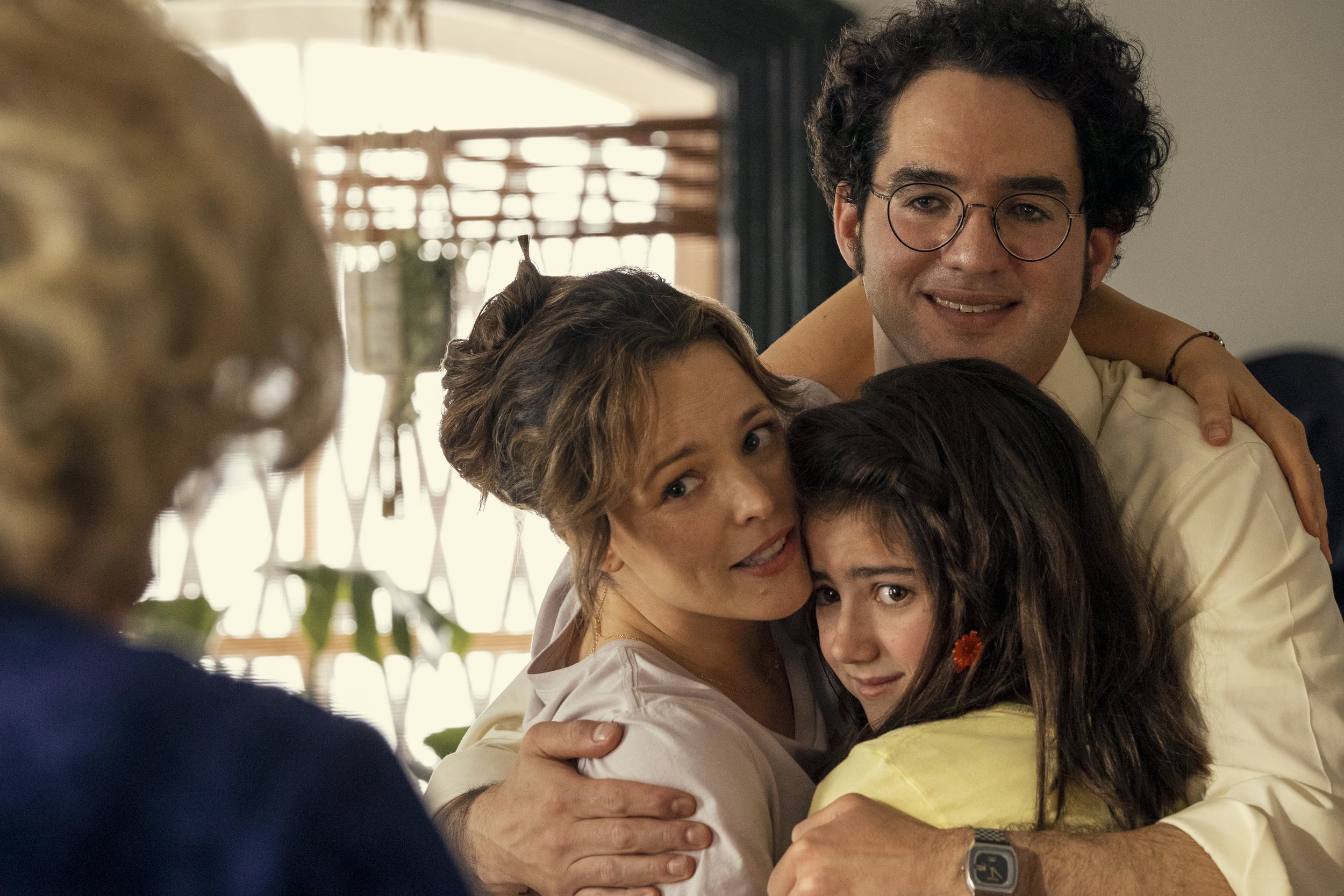
Set in the 1970s, 11-year-old Margaret Simon (Abby Ryder Fortson) experiences the worst thing that could happen to a New Yorker: moving to Jersey. Margaret’s parents of different religious backgrounds, Christian-raised Barbara (Rachel McAdams) and Jewish Herb (Benny Safdie) shift them from the city and into the suburbs, away from her loving grandma Sylvia (Kathy Bates). She instantly befriends superficial neighbor Nancy (Elle Graham) and she’s accepted into her secret “no socks” wearing girls club as they innocently discuss adolescent-oriented topics before heading into the sixth grade. As Margaret becomes aware of the changes in her surroundings and her evolving emotions, she becomes curious about her nonexistent religious identity. After learning about the grief religion caused her parents’ budding romance, Margaret decides to find her spirituality, per her teacher’s (Echo Kellum) suggestion for her research paper. If only puberty and boys don’t get in her way first.

I never read Margaret growing up. Because of my boyish identity, I preferred her Fudge series. Nevertheless, Fremon Craig’s passion recaptures the source material’s richness. She walks the fine line between doing the iconic novel justice and contemporizing it by expanding on Blume’s themes, especially regarding religion. Seamlessly crossing the tightrope, Fremon Craig encapsulates girlhood in all its bizarre glory. She centralizes on Margaret’s lens through a down-to-earth gaze, unveiling the beauty of childhood and the universal experiences many girls have shared. That includes getting their first bra with their mom, developing a crush on a boy by fixating on their sweaty meaty arms, and buying their first pads. These milestone events are depicted with innocent euphoric joy and a dash of hard-hitting awkwardness. You can hear Blume’s most notable descriptions reverberating in your head, even in scenes without dialogue.
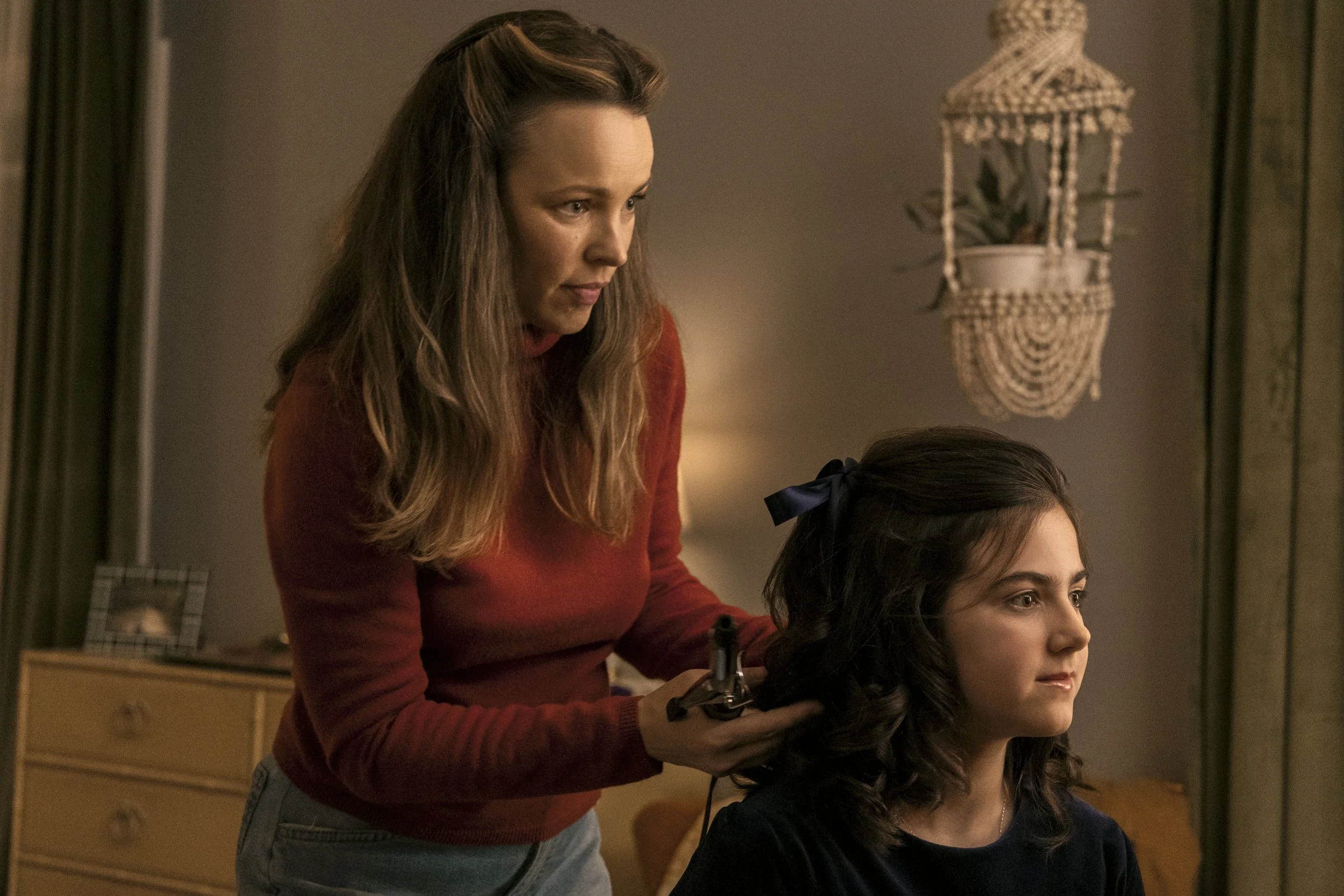
Actress Abby Ryder Fortson, best known for playing pre-time skip Cassie Lang in the Ant-Man movies, delivers a fantastic leading performance as Margaret Simon. She brings life to Blume's adorable protagonist with confidence and unparalleled charm. Ryder Fortson encapsulates girlhood's innocence and whimsy with embarrassing insecurities. She conveys different emotions in her natural expressions that either land laughs or heart-breaking chills.
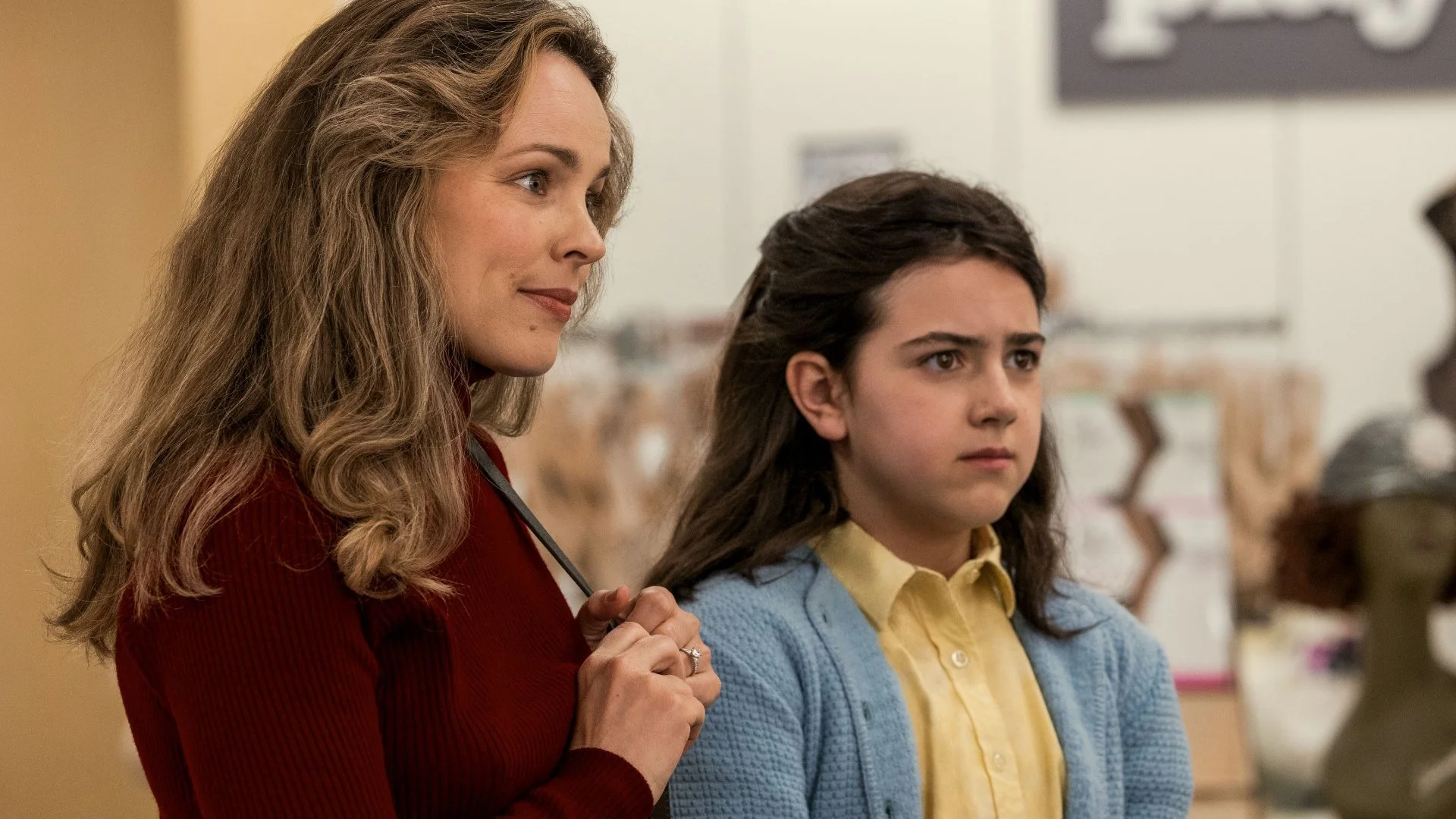
Apart from Margaret’s race into puberty, the film tells a poignant contrasting tale about motherhood/adulthood from the lens of Margaret’s sweet-natured mother, Barbara, who faces difficulties adjusting to their new environment. Barbara volunteers to help in every PTA committee duty. Those duties have her procrastinating in buying furniture for her home. She can’t cook baked meals with the new oven. She also fears her only daughter is rushing into puberty by wanting a bra and wishing to get her period immediately to fit in with her peers. Most notably, the emotional anchor for her is the longing to reconnect with her devout Christian parents, who once disowned her for marrying a Jewish man but feel the pain of rejection when Margaret casually brings it into a conversation. Rachel McAdams, who is always an effervescent delight, delivers a career-best performance in this complex portrayal of motherhood. The film immediately signifies that Barbara holds the weight of the families' emotional burdens. In intimate scenes of Barbara wanting to pursue art again but lacking the passion due to new responsibilities, McAdams wears that existential struggle. The crisis she’s in may sound familiar, but McAdams' effortless charm and “I’m doing the best I can” attitude provides a subtle approach.
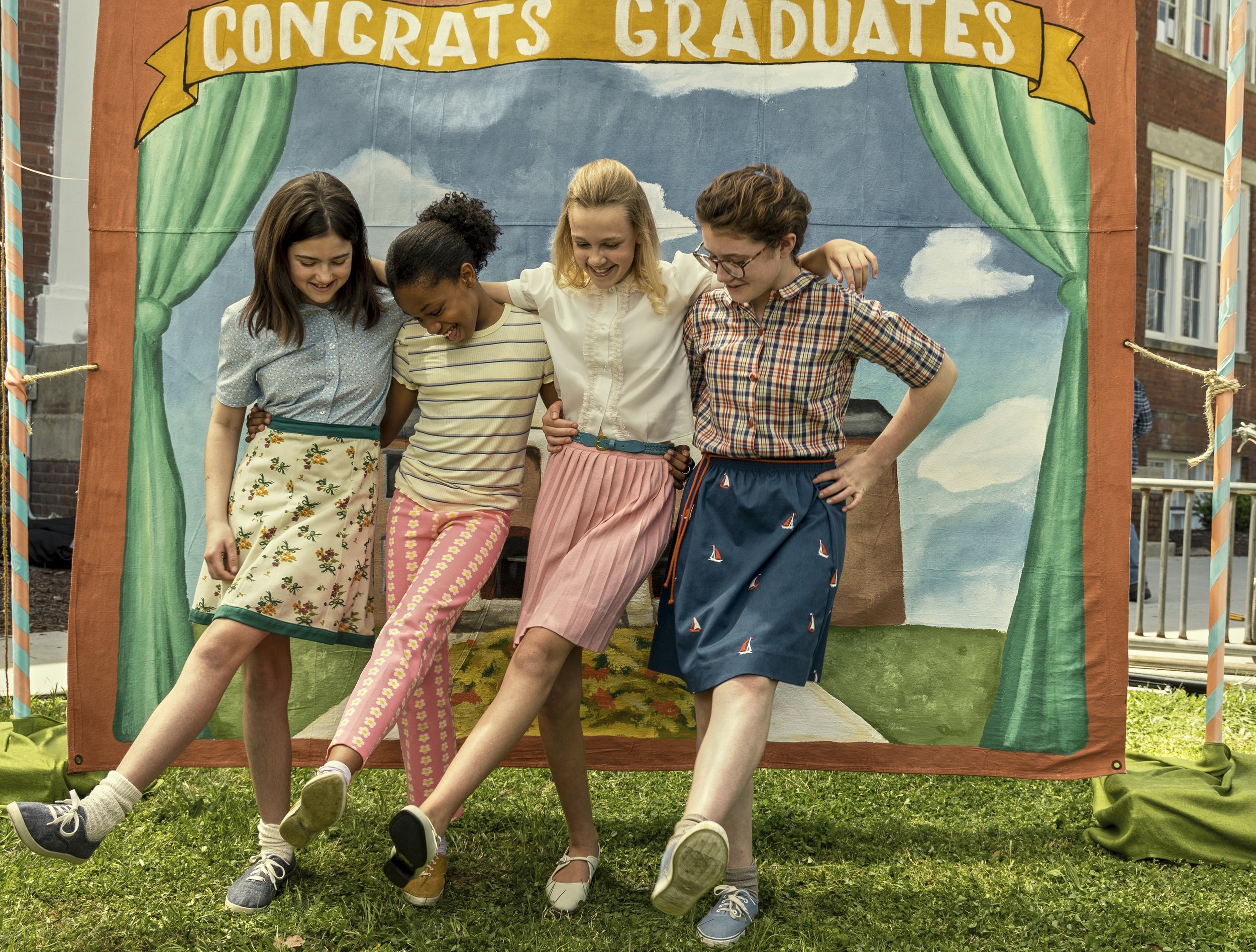
Although I can’t identify with the girlhood themes, thank God my religious trauma from youth finally found a purpose. Margaret takes a bold stance about children’s relationship with spirituality. Margaret has voiceover conversations with God like an auditory diary, questioning his presence. When Margaret becomes motivated to find a God, she researches by attending meetings at various religious institutions. That involves going to Temple with her grandma Sylvia and attending Gospel church with her friend Janie (Amari Price), and while she doesn’t feel spiritual, she’s having a lot of fun. The conversation it presents about religious identity is surprisingly as fleshed out as it is bold. If this movie existed during my adolescence, it would’ve been my manifesto to get me out of Jehovah's Witnessing during that era in my life.
Fremon Craig coats the tone with warmth and an aroma reminiscent of Paddington. The film is so effortlessly charming that seeing it bear a PG-13 rating for “sexual education” is ridiculous. If anything, the gate-kept PG-13 rating represents part of its urgency, especially when male legislatures are banning women’s rights. It perfectly aligns with the overall message about the nature of girls’ growing bodies. Only their body knows how it’s time for them to grow into the next chapter, where they’ll have more freedom and control, and nobody else should dictate or shame them for their differences.

This criticism might sound petty, but I needed more Benny Safdie. He’s great in this film, but all he does is get injured by a power mower and flirt with his onscreen wife, Rachel McAdams. The focus is on Margaret’s relationship with her motherly figures, primarily Barbara and Sylvia. But darn it, I wanted more Safdie daddy scenes. It’s bizarre to see Benny Safdie—of all people—portraying a loving dad character when his filmography usually warrants a Tylenol before entering the theater. Granted, he doesn’t have much screen time, but he’s charming as Margaret’s simple yet silly Jewish dad.

Kelly Fremon Craig’s adaptation of Blume’s classic captures the whimsical beauty of girlhood and its many complexities. With an incredibly bold screenplay and remarkable performances by Abby Ryder Fortson and Rachel McAdams, Are You There God? It’s Me, Margaret deserves to be seen by every girl.

