
After the Wedding Review
PG-13: Thematic material and some strong language
Studio: Sony Pictures Classics Riverstone Pictures, Joel B. Michaels Productions, Rock Island Films, Cornerstone Films
Run Time: 1 Hrs and 50 Minutes
Writer/Dir: Bart Freundlich
Cast: Julianne Moore, Michelle Williams, Billy Crudup, Abby Quinn
Long before she helmed one of the most memed movies of 2018 which was Bird Box, Danish director Susanne Bier made a movie in 2006 with Mads Mikkelson called After the Wedding that went on to be a critical success and also received an Oscar nomination for Best Foreign Language film. 13 years later, the husband-and-wife team that is actress Julianne Moore and writer/director Bart Freundlich have remade that same movie and put a gender-bending twist to it... but that’s about it.
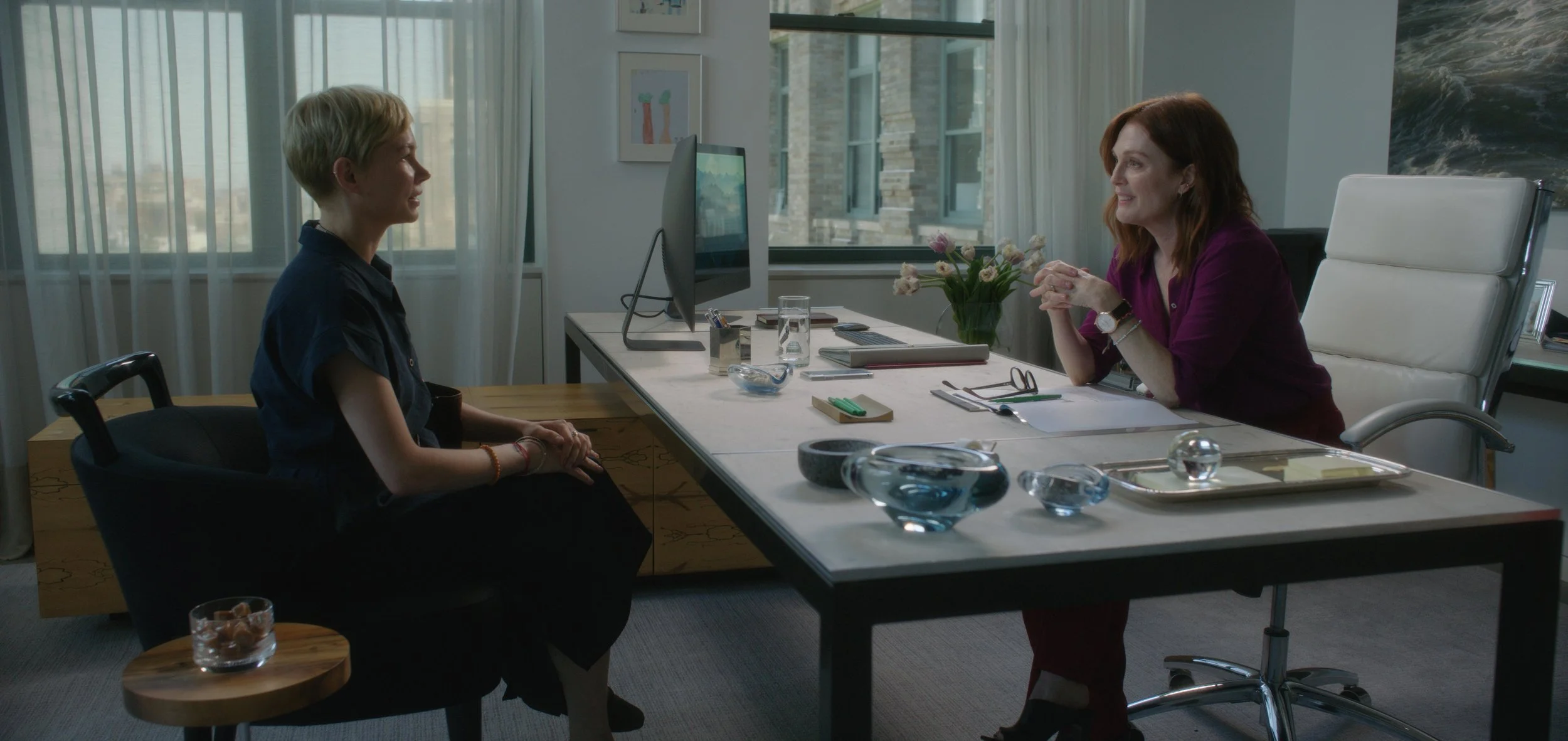
Isabel (Michelle Williams) has dedicated her life to working with the children in an orphanage in Calcutta. Theresa (Julianne Moore) is the multimillionaire head of a media company who lives with her handsome artist husband (Billy Crudup) and their two adorable twin boys in New York. When word comes to Isabel of a mysterious and generous grant for the financially struggling orphanage, she must travel to New York to meet the benefactor -- Theresa -- in person. And when Isabel is spontaneously invited to Theresa’s daughter’s wedding, Isabel discovers a connection to Theresa that takes her on an unexpected journey into her own past.

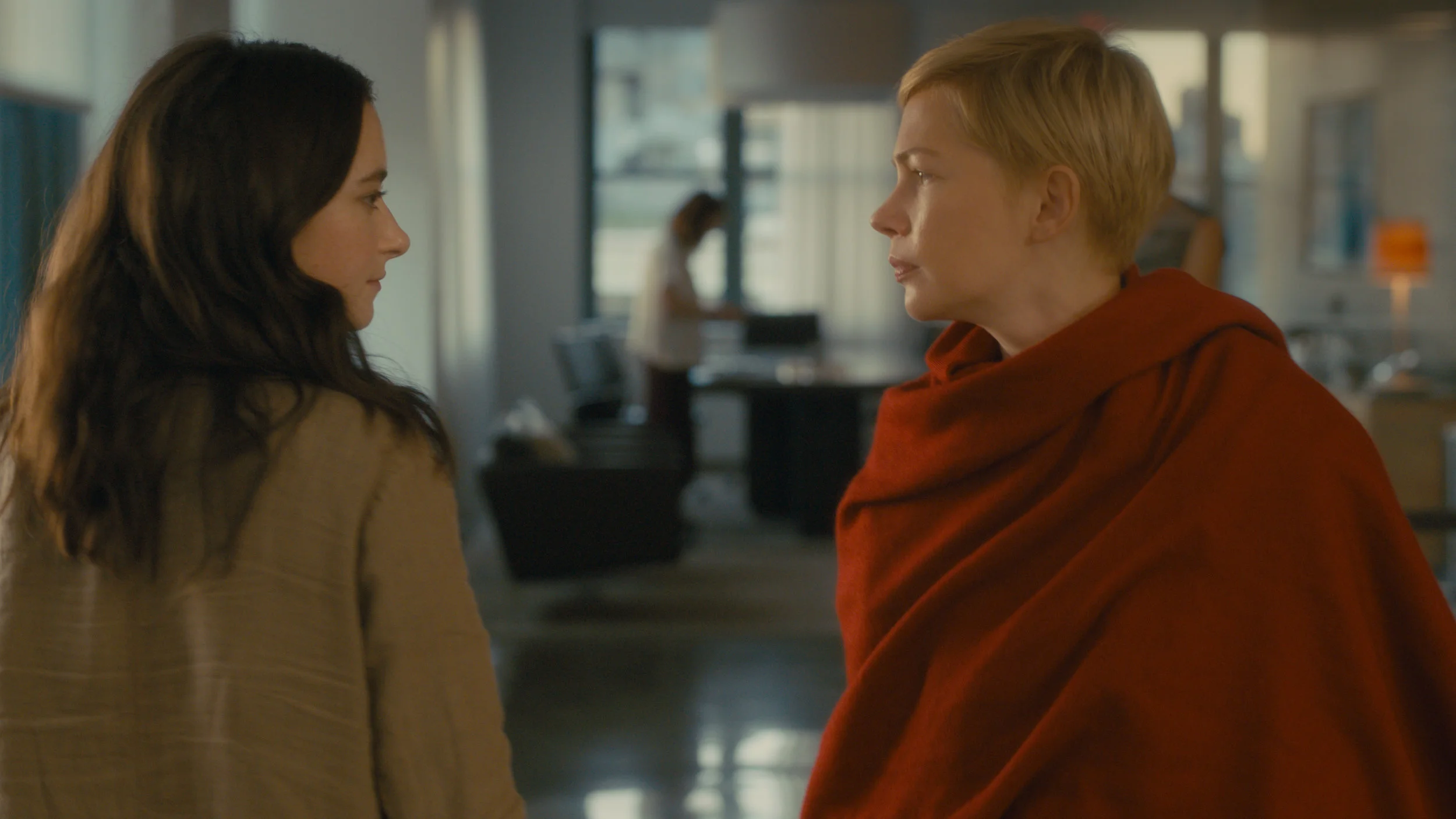
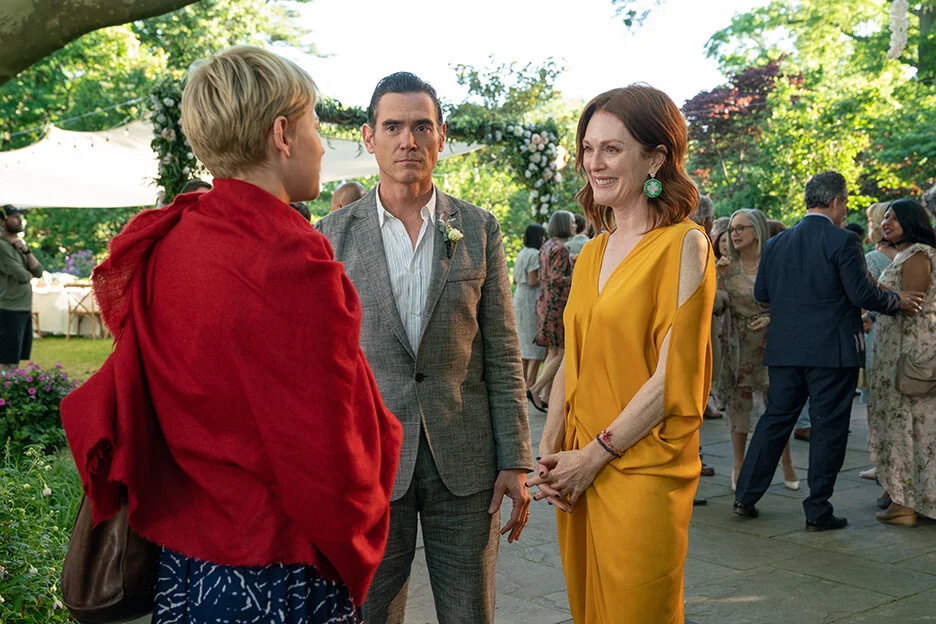
Given its very talented cast, it goes without saying that the entire ensemble is great. The film focuses on Isabel (Williams), who works at an orphanage in India that is a little underfunded. She is forced to leave the place she has called her home (and the child she wants to raise as her own) to meet with a high-class and wealthy benefactor -- or, in this case, a benefactress named Theresa (Moore) -- in person to determine if her orphanage is worthy enough of her money. When Theresa meets with Isabel, her mind is a bit too preoccupied with other urgent matters so she invites her to her daughter’s wedding so they can have more time to discuss business. But once Isabel attends and sees Theresa’s spouse Oscar (Cruddup), a familiar face from her past, drama brews and you’re in for a ride. The way Isabel and Oscar stare at each other (knowing that there is a secretive past between them) during the wedding is intense as you’re trying to guess what happened between them. Once that needle is dropped, you’re thrown into the rest of the narrative that takes place after the wedding, as per the title.
The dynamic between Isabel and Theresa is inviting whenever the two are onscreen together thanks to their contrasting personalities caused by their economical differences. Billy Cruddup is also pretty great, but that’s because he’s Billy Cruddup. The leads have always been incredible performers no matter how mediocre the script is. Well… except for Williams, whose last two projects were… not so great.

Another performer who makes a decent impression is Abby Quinn as Grace, Oscar and Theresa’s daughter. Abby Quinn has been shaping up to be a talented actress and some of her scenes actually made me choke up a bit, for she’s a major piece in the trio’s conflict.

Before starting this review, I decided to watch the original After the Wedding and wow, that was a bad idea. If you’re someone who hasn’t seen the original, then I do recommend this remake for the performances and the story. Watching this without any knowledge of its source material during my time at Sundance was entertaining because the twists and turns are plentiful and surprising. But if you’ve seen the original, there’s no reason to see this, for it suffers from the same problem as the recent Lion King remake: it’s telling the same exact story, note for note, and not taking any liberties whatsoever.
In a Variety interview, director Bart Freundlich says, “As I started trying to come up for an idea as to why you would you want to remake an already beautiful film, there needed to be a total reinvention.”
Switching the genders isn’t “reinventing” a story if you’re just treading the exact same plotted points.
There’s no way to separate this remake from the original aside from the names of the characters and the gender flip of the leads. Other than that, you’re receiving the carbon copy of Bier’s movie, just shot more cinematically, which actually diminishes the engagement of the story. Bier’s film was shot primarily through handheld, which made the feature look like a realistic drama shot in real time. Though it’s a fictional narrative, the shots were personalized as you followed the daily lives of the characters and the internal conflicts between them. The camera helped you become the observer as it played like an additional character. Because this version is so elaborate and thematic, you lose the immersiveness of the scenes as it’s presented more like a soap opera.
Also, if you’re going to do an entire gender switch, do an ENTIRE gender switch apart from the leads. In the original, the male benefactor, Jørgen (Rolf Lassgård) has twin sons and a daughter. The exact same case is present here where Theresa has twin sons and a daughter. What if the offsprings' genders were switched too? What if Grace was a male? When the secretive bombshell is revealed, how would HE handle it? We’ve seen how a woman would handle it because it’s present in the original, so why not take the liberty to switch her gender around?
I can’t believe I’m saying this but the fact that the leads were men in the original gave the drama a thematic heft that is so distinctive to the story itself. It was a movie where you saw the vulnerability of men, the humanity and the heart that they have, and what it means to be a good man. It’s a lesson that American Hollywood films can’t quite capture today, and often run away from by adding toxic masculinity. With 2019’s prevalent toxic masculinity issues in film, After the Wedding (2006) is a good showcase of men with heart, despite their economic status.
Having female leads diminishes that impact of boldness and heart that Bier’s film captured. Not to put my observation on gender but, given the situation they’re in, you know they’ll handle the conflict maturely. Or better yet, if their personalities weren’t too similar to the men they’re based on, maybe there would’ve been some intriguing drama. Watching the original was kind of eye-opening. You realize how restricted Freundlich was with his idea and that there’s nothing special to truly recommend about it. It’s a great showcase for performances, but that’s about it. It’s pretty pointless.

After the Wedding boasts serviceable performances by the ensemble, but the onslaught of creative restrictions by Bart Freundlich as he delivers a note-for-note remake of the original makes this a reception you should just skip.
Rating: 2.5/5 | 57%

